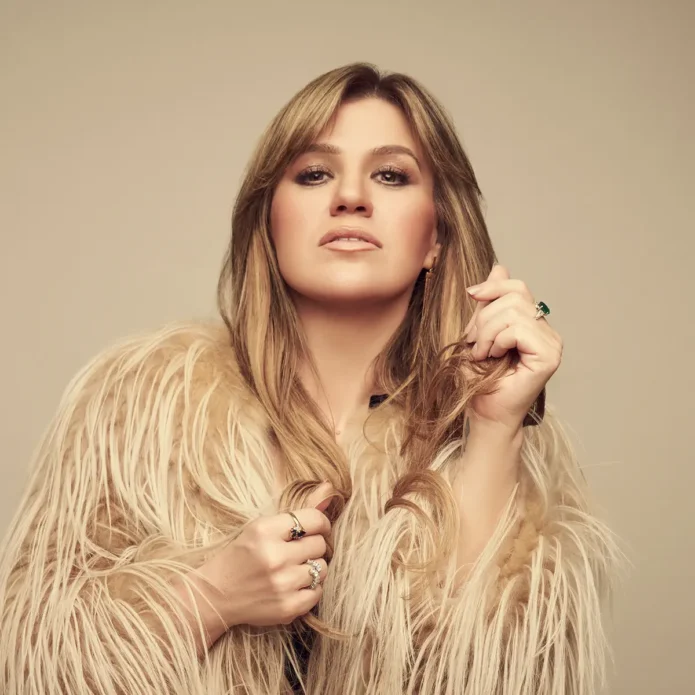
Kelly Clarkson has more tattoos than most people probably realise. They’re not the kind of giant sleeve that takes over every photo, so a lot of them only show up when she’s holding a microphone, wearing open shoes or turning her hand the right way. Her ink is spread across her wrists, hands, feet, back and ribs, with little reminders sitting beside brighter, more playful designs.
She has said that many of her tattoos are reminders. In one interview, she explained that she can be forgiving and loyal to a fault, then added, “I like to believe in the good of humanity, but it doesn’t always work out.” That gives the collection a loose theme without pretending every tiny mark has one deep explanation.
This is a good example of why Kelly Clarkson’s tattoos need several different photos. The Love Them More wrist piece needs a close-up. The sunflower sits down by her ankle. The puzzle piece is on her back, and the Morse-code lyric runs along her ribs. None of those designs can be shown properly in one red-carpet portrait.
“Love Them More” sits beside a small cross
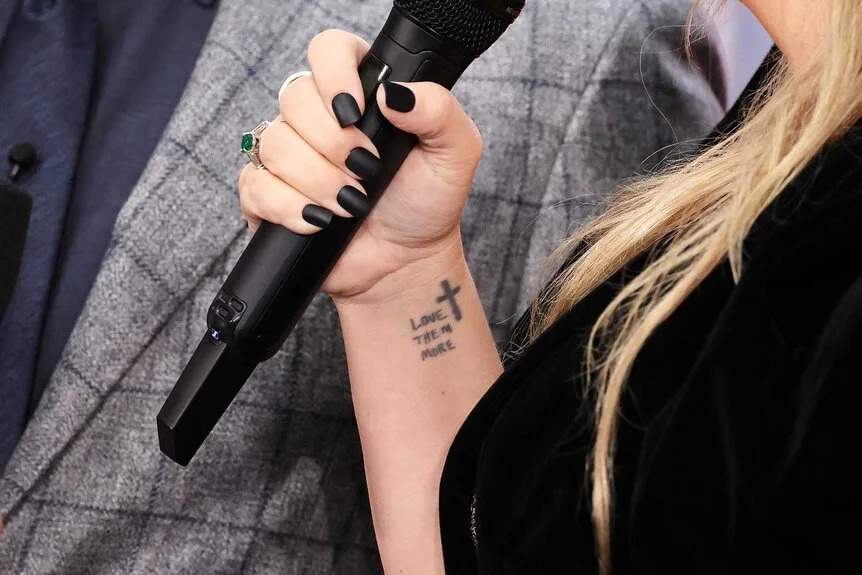
The most talked-about piece is the lettering on Kelly’s wrist that reads “Love Them More”, with a small cross beside it. She has explained that the phrase came from advice she heard while growing up. The idea was to respond to difficult people with more compassion instead of letting anger run the whole show.
It’s a simple design, but the wording does a lot of the work. The phrase isn’t tucked away in a hard-to-see place; it’s on her wrist, where she can see it while working, performing or reaching for a microphone. That makes the tattoo feel like a practical reminder rather than a slogan she got for decoration.
The cross is small and sits close to the lettering, so a distant photo can make it disappear. A sharp wrist image shows the spacing and the handwritten feel much better. It also makes clear that the phrase is “Love Them More”, not one of the slightly different versions that sometimes appear in captions and fan posts.
The matching wrist details are easy to miss on stage
Kelly has more than one small design around her hands and wrists. Some pictures show a heart-shaped kite on the left wrist, while the cross and lettering sit nearby in other views. These are compact tattoos, which means the angle of the hand matters almost as much as the ink itself.
On stage, a bracelet, microphone or sleeve can cover the exact spot readers are trying to see. That’s why two wrist photographs can be useful without being duplicates. One may show the inside of the wrist, while another catches the side of the hand or the lettering as Kelly turns her arm.
There’s also a nice contrast between the pieces. The cross and phrase are direct and readable. The heart-shaped kite is more playful, with a little more movement in the outline. Together they make the wrist work feel personal without making it look overly planned.
The wrist phrase has appeared in several different photos
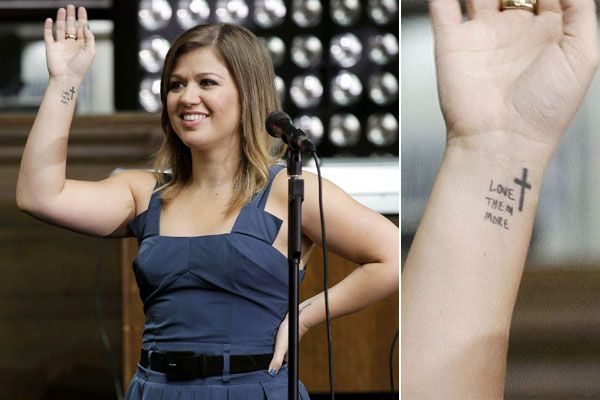
The phrase has been photographed during performances and interviews, which gives it a slightly different look each time. Stage lighting can make black ink look softer, while a close indoor frame may show the letters more clearly. That doesn’t mean the tattoo has changed every time the colour looks different.
Kelly has talked about her tattoos as reminders of lessons she wants to keep close. The wrist phrase fits that pattern because it’s short enough to read quickly. It doesn’t demand a big explanation every time someone sees it. It just sits there as a small nudge toward patience and generosity.
That everyday quality is part of what makes the tattoo work. It isn’t a giant piece designed to be the centre of an outfit. It’s something she can glance at, explain when asked and then carry on with her day.
The sunflower tattoo sits down by her ankle
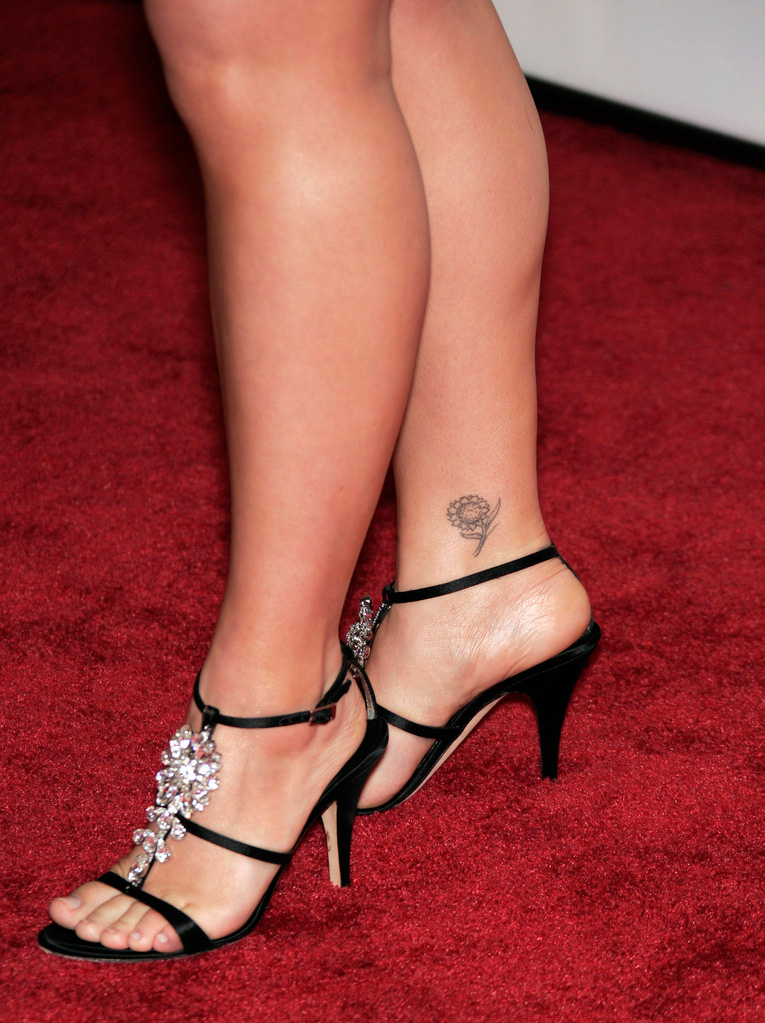
Kelly also has a sunflower tattoo on her ankle. The design is smaller and more delicate than the colourful puzzle piece on her back, and it’s easiest to spot when she’s wearing sandals or open shoes. An ankle tattoo can disappear in a normal full-length photograph, especially on a red carpet where the dress and shoes get most of the attention.
The sunflower gives the collection a bit of brightness. It doesn’t need to be tied to a dramatic story to work visually. The petals and centre make it readable at a glance, while the placement keeps it low-key. That balance suits the way several of Kelly’s tattoos are worn: visible when she wants them to be, but not constantly pushed into the foreground.
Photos of the ankle also show why a tattoo guide shouldn’t rely on cropped press images. A face portrait may prove who Kelly is, but it can’t tell readers anything about a foot or ankle design. The close view does the useful job here.
The four-leaf clover is made from tiny heart shapes
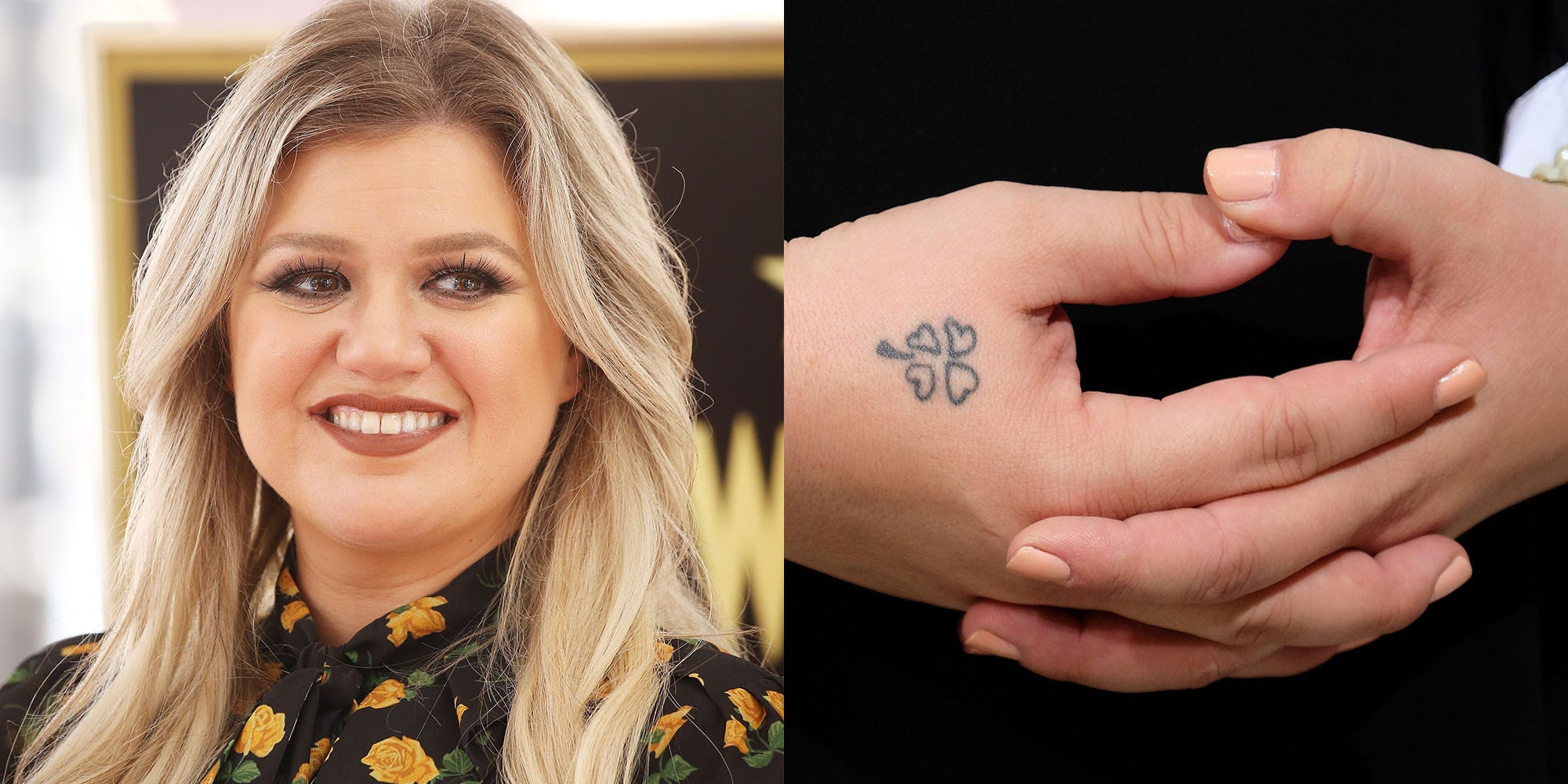
On her hand, Kelly has a small four-leaf clover made from heart-shaped leaves. It’s the kind of tattoo that can look like a dot or a little decoration until you see a proper close-up. The heart shapes give it a softer feel than a standard clover, and the design has often been linked to her Irish family background.
The tattoo is small enough to sit naturally with rings and stage jewellery. It also shows how Kelly’s collection jumps between clear lettering and tiny symbols. The wrist phrase asks to be read. The clover is more of a visual detail, something people notice after looking closer.
There’s no need to make the clover carry every possible meaning. The design is easy to identify, the family connection has been discussed, and the hand placement is clear. That’s enough to make it worth its own section without turning a little piece into a grand theory.
The colourful puzzle piece covers part of her back
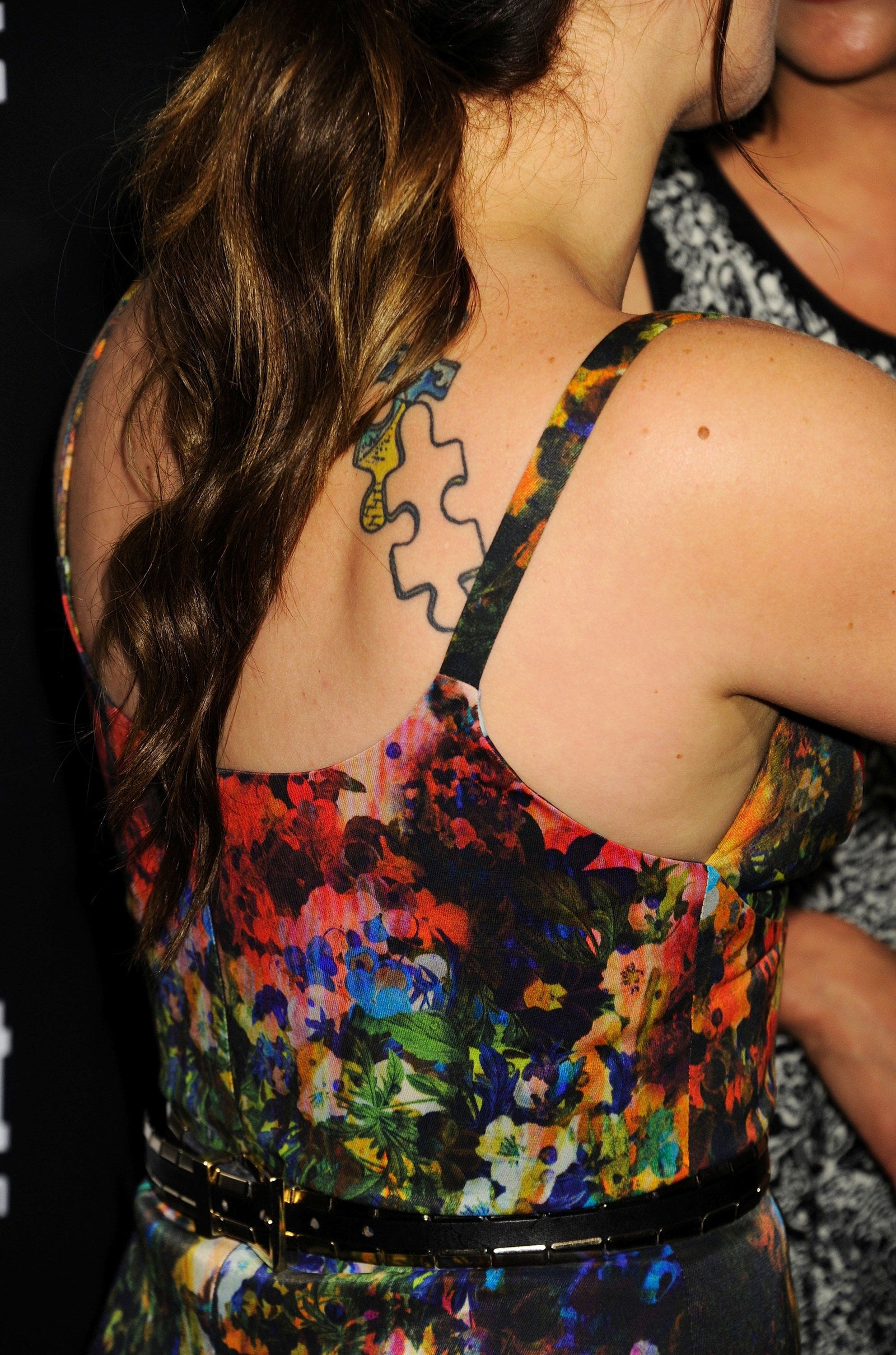
Kelly’s puzzle piece tattoo on her upper back is one of the bolder designs in the collection. It uses colour and a black outline, so it stands out from the smaller black-ink pieces around her wrists and ankle. The tattoo has been discussed in connection with her song “Piece by Piece”, but it has also been the subject of online guesses about autism awareness.
Those guesses shouldn’t be treated as confirmed fact without a direct statement from Kelly. The safe description is the straightforward one: it’s a colourful puzzle design on her back, and people have connected it to the album and song because of the timing and wording.
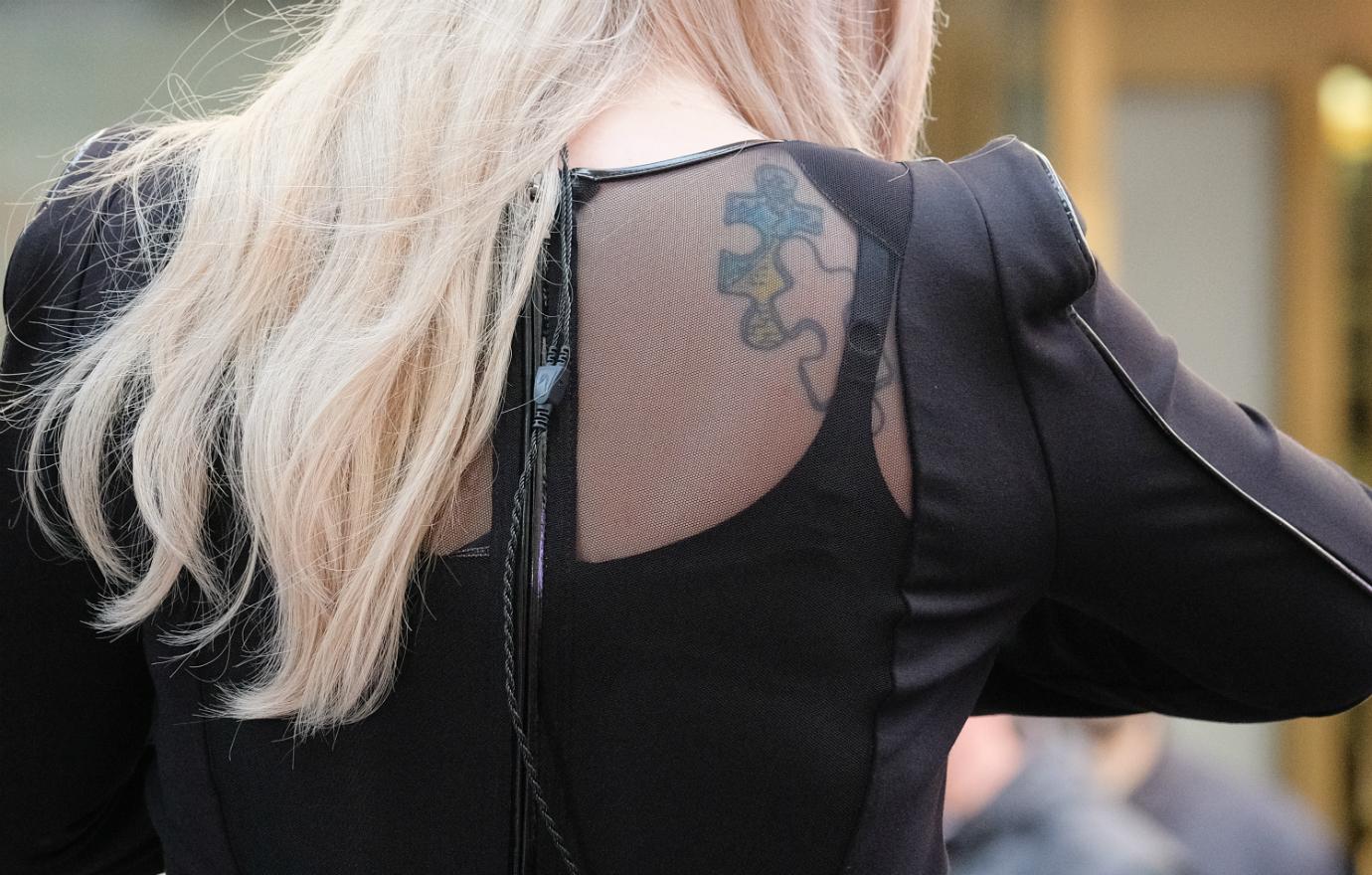
A back tattoo also needs a different kind of photograph. A shoulder-level portrait might show the top edge while hiding the lower sections. A rear view with the hair moved aside gives a much better sense of the shape and colour. That’s why the puzzle piece deserves a real image rather than a generic Kelly Clarkson publicity shot.
The colourful puzzle piece has a second look in another photo
Another personal piece is the Morse-code tattoo linked to the phrase “What Doesn’t Kill You”. The wording connects with Kelly’s song and with the way she has spoken about tattoos as reminders. Morse code is easy to miss because it looks like a line of dots and dashes until someone explains what it spells.
The rib placement makes it even harder to photograph casually. Clothing covers the area most of the time, and a side-on picture can flatten the design. It’s a good example of an identifiable tattoo that needs careful wording: the phrase is documented, but every small line around it shouldn’t be treated as part of the same message.
The design also fits Kelly’s wider approach. Some tattoos are blunt phrases. Others are symbols or small bits of code. She doesn’t seem to need every piece to look alike. The connection is more about what the tattoos help her remember.
The tiny blue finger tattoo is still a mystery
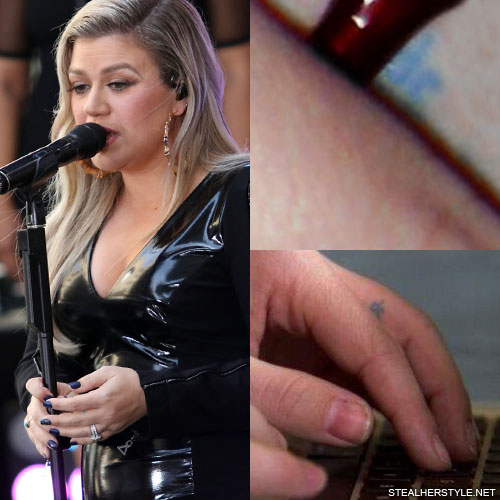
Lists of Kelly’s tattoos also mention additional small pieces across her feet, hands and body. Some are lyric references, some are family-related, and some have meanings she has explained in interviews. The details can be hard to track because tattoos are sometimes covered by shoes, stage clothes or jewellery.
Kelly has said that many of her tattoos are tied to things she doesn’t want to forget. That could be a piece of advice, a song, a person or a moment that mattered at the time. It doesn’t mean every mark is a serious life lesson. Some designs can simply be fun, and that’s part of the charm.
The collection feels lived-in rather than perfectly arranged. A colourful back piece sits alongside a tiny hand symbol. Morse code runs close to the ribs, while the sunflower stays down by the ankle. The designs don’t need to match because each one has its own little job.
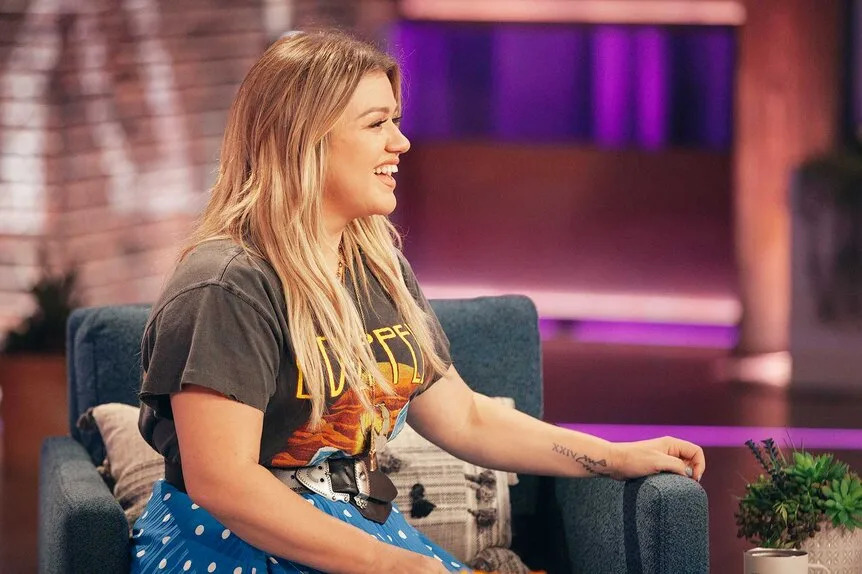
Roman numerals and foot lettering fill in the smaller details
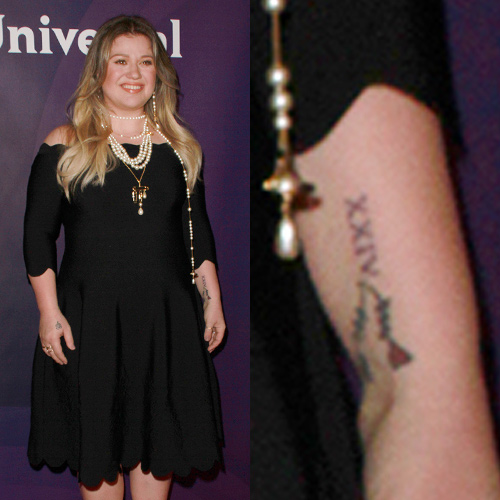
Kelly’s tattoos are interesting because the meanings are usually more practical than theatrical. “Love Them More” is a reminder she can actually use. The Morse code holds a lyric close to the body. The puzzle piece connects naturally with her music, even if some of the online interpretations go further than the evidence supports.
That leaves room for the tattoos to be both meaningful and normal. Not every design has to represent a crisis. A sunflower can be there because Kelly liked the flower. A heart-shaped clover can connect with family. A small cross can sit beside a phrase that helps her keep perspective.
Put together, the pieces show a singer who has collected ink over time without turning her body into one giant theme. Her tattoos are scattered, colourful in places and easy to miss in others. That’s exactly why they deserve separate photographs and short, clear explanations instead of one generic image at the top of the page.
The Nothando tattoo sits on her foot
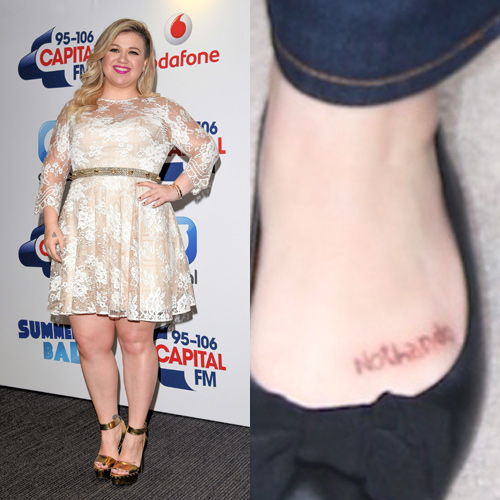
One of the smaller pieces sits on Kelly’s foot and reads “Nothando”, a word commonly translated as “she loved us.” Foot lettering is easy to miss in interviews and stage photos, but it adds another family-minded detail to the wider group. It also shows why a proper tattoo guide needs more than one portrait: the best photo for a wrist phrase won’t show the ankle or foot at all.
Alongside the Roman numerals, the foot script gives the collection a quieter feel. These aren’t giant, attention-grabbing pieces, but they help explain the mix of private reminders and playful symbols that runs through Kelly’s tattoos.