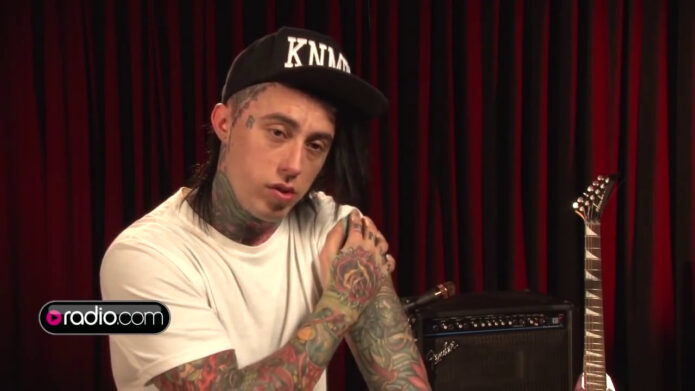
Ronnie Radke’s tattoos have never faded into the background. They have been part of his look since the early Falling In Reverse years, then became a bigger topic when he blacked out large areas of his collection. Newer work is now showing across his chest, back, side and legs, so the story is not simply that he covered his tattoos. He closed one chapter and began building another.
That change is what makes his ink worth a closer look. Some older pieces still show up in interviews and live footage; others can only be seen in photos from before the blackout. The newer designs feel darker and more deliberate, with larger areas intended to work together instead of reading as separate souvenirs.
This guide sticks to tattoos shown in interviews, video clips, updates or clear photos. If Radke has not confirmed a meaning, it stays unconfirmed rather than being presented as fact.
The first tattoo stories started with smaller pieces
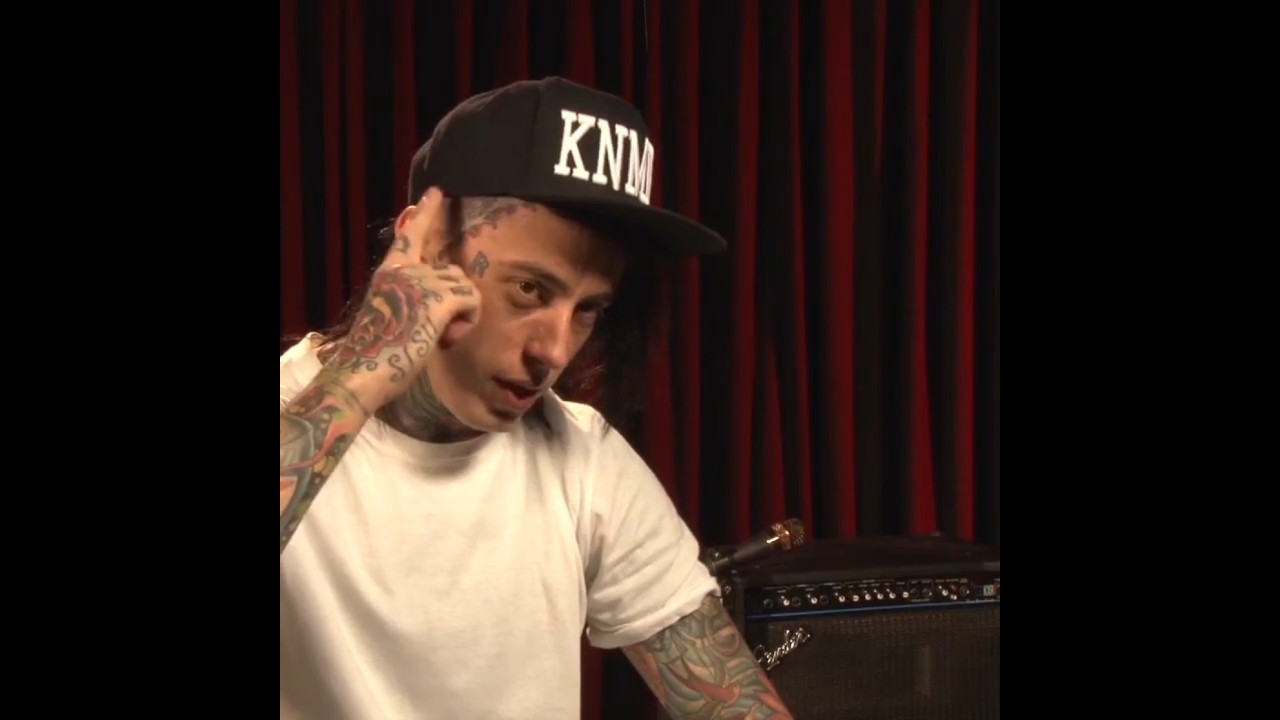
In an older Audacy interview, Radke talks through some of his favourite tattoos from before the collection was reworked. He points out an octopus and a shark tattoo, two pieces that show how varied his early ink was.
Those designs belong to a different period from the more connected chest and back work he has now. They look like tattoos collected over time, with different ideas from different parts of his life sitting side by side. That is common for someone who started getting tattooed young, but Radke’s public profile made each change more visible.
He has also talked about favourite pieces in a way that makes the collection feel personal, rather than planned to look perfectly matched. A tattoo can matter because of the memory behind it, even if it is not the most technically elaborate design. That seems to be the feeling behind the older pieces he chose to show in the interview.
The teardrop under his eye became one of his most recognised marks
One of Radke’s most recognisable tattoos is the teardrop under his left eye. It has appeared in photos and performances for years, becoming one of the details fans use to identify him. Teardrop tattoos invite assumptions, so it helps to separate what can be seen from guesses about what it means.
There is no solid basis for attaching the usual prison-tattoo explanation to Radke’s face. Online comments may give it a fixed meaning, but those are not the same as an explanation from him. The mark is visible; its backstory is much less certain.
That uncertainty is part of why face tattoos attract so much attention. A tiny mark can stand out more than a large arm piece because it appears in every interview and close-up. Radke’s teardrop has had that effect even as the rest of his collection has changed.
His face ink sits alongside the forehead lettering and blackout work
Radke’s face and head have also had lettering and other marks that are hard to read consistently in photos. Short clips show him answering questions about his forehead tattoos, but screenshots and fan captions sometimes identify the design more confidently than the original video does.
The useful point is where the ink sits, not an invented translation. Face and forehead ink helped define Radke’s earlier look, while the blackout changed how much of that work remains visible. Some details still show depending on the light, camera angle and how much of the area was reworked.
This is where the blackout matters. It can cover older lettering, small symbols or filler that used to be easy to see. That does not mean the earlier tattoos never existed. They are part of the history underneath the newer work, and older photos may be the only way to see them.
The blackout was a reset rather than a small cover-up
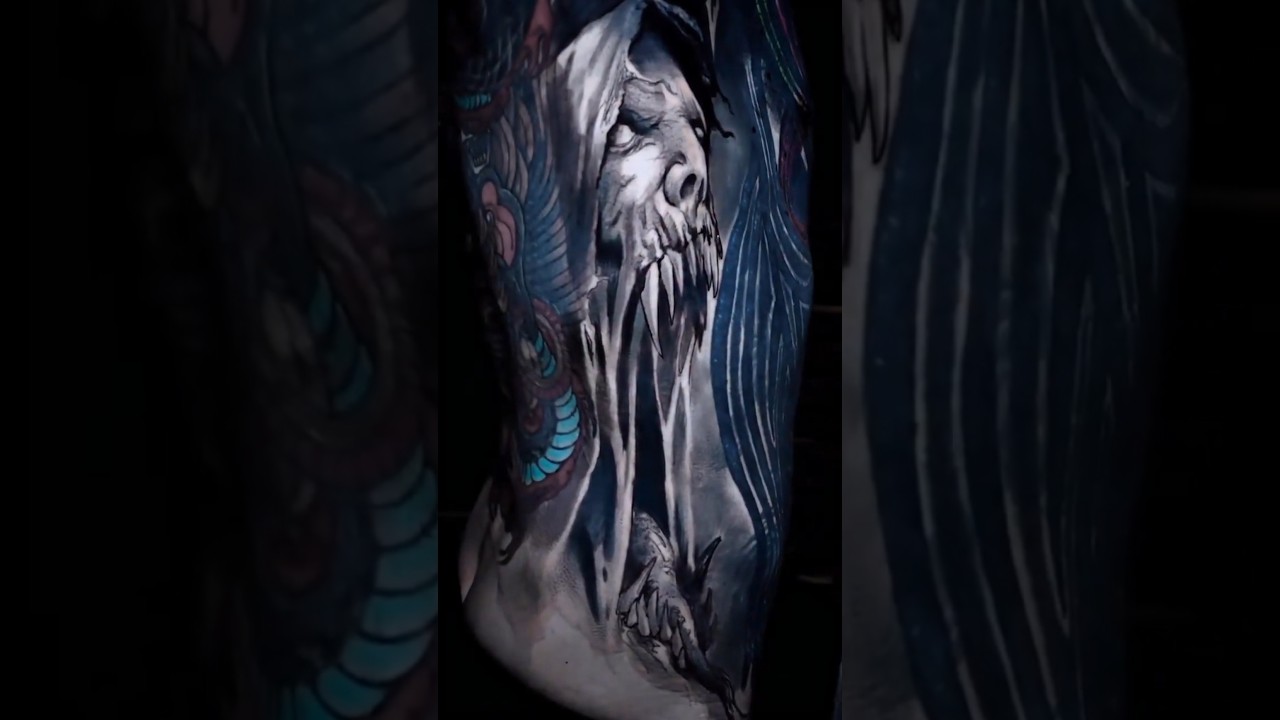
Radke has been associated with blacking out much of his older collection as part of a personal change. In interviews and discussion around the transformation, he has said he was tired of people focusing on the tattoos first. That sounds like more than covering up one design he regretted; it affected a large part of his body.
A blackout takes time and patience, and it changes the body’s overall silhouette. When broad areas are filled in, small pieces can disappear, open skin closes up, and future work has to fit around large fields of black ink.
Before-and-after photos help tell the story. Older pictures show a busier collection of separate designs; newer ones show a darker base with larger pieces over or beside it. The change is clear even when every individual tattoo cannot be named, which explains why old fan lists may not match what people see today.
New chest work has a much bigger scale
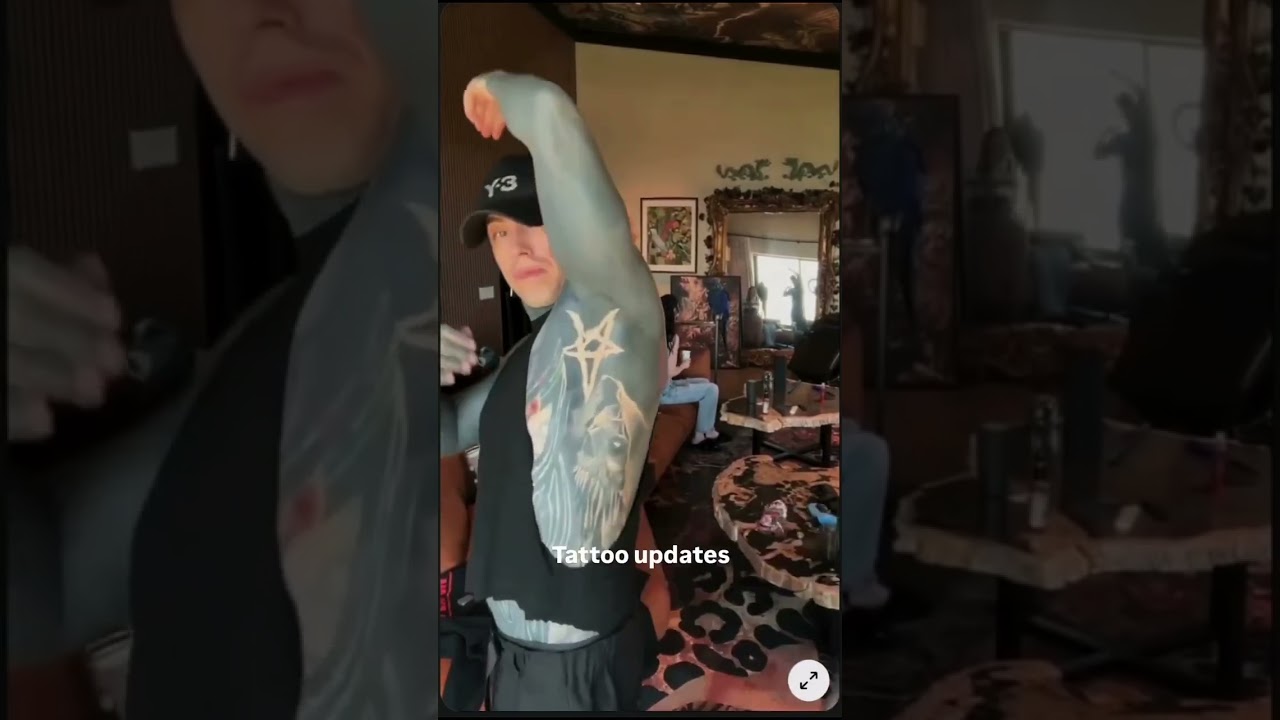
Recent tattoo updates show large designs spreading across both sides of Radke’s chest and into the armpit area. Clips and search results connect tattoo artist Kamil Mocet with some of the newer work, while the videos show the designs without giving a full written inventory of every line.
The main difference is scale. This is not a tiny symbol added between older tattoos; it is a major area of skin, meant to fit into the broader blackout and new-ink plan. The chest gives the artist room to build contrast, pairing dark backgrounds with lighter highlights and detailed figures.
The work may still be developing. A tattoo seen halfway through a session can look different once the shading, highlights and surrounding filler are finished. For now, it is safest to call it new chest and side work, rather than claim to know every figure or symbol from a short clip.
The upper back and side pieces connect the newer look
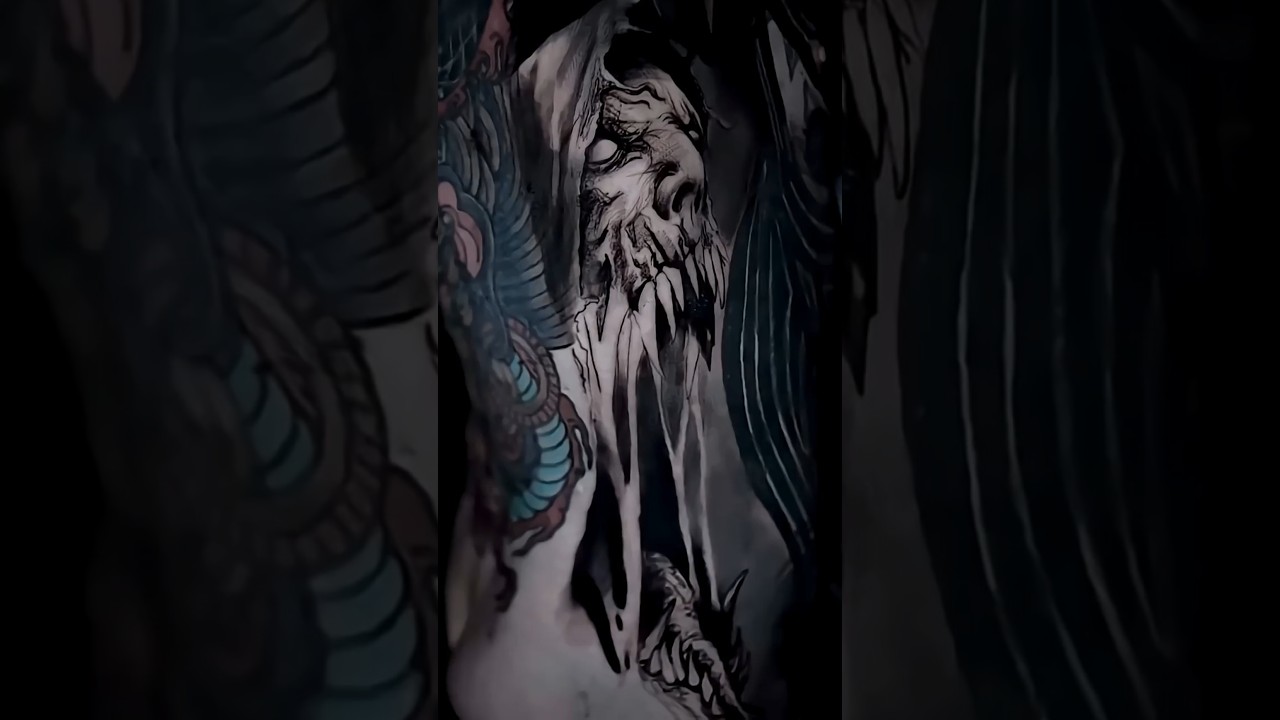
The newer work also travels around the body. Clips show ink running from the side of Radke’s torso toward his back, making the collection feel more connected than the earlier patchwork arrangement. A side tattoo can look very different with his arm lowered, his body turned or stage lights hitting it.
The recent designs seem to favour dramatic black-and-grey imagery, strong outlines and large shapes that read from a distance. That describes how they are drawn, not what every detail means. As a whole, the newer work has a more unified look than the separate small pieces he showed earlier in his career.
When comparing reference photos, it helps to look at both a straight-on image and a side view. The same tattoo can look like a narrow strip in one shot and a much larger composition in another. Placement changes how a tattoo reads, especially when it wraps around the body.
His leg tattoo adds a separate heavy piece
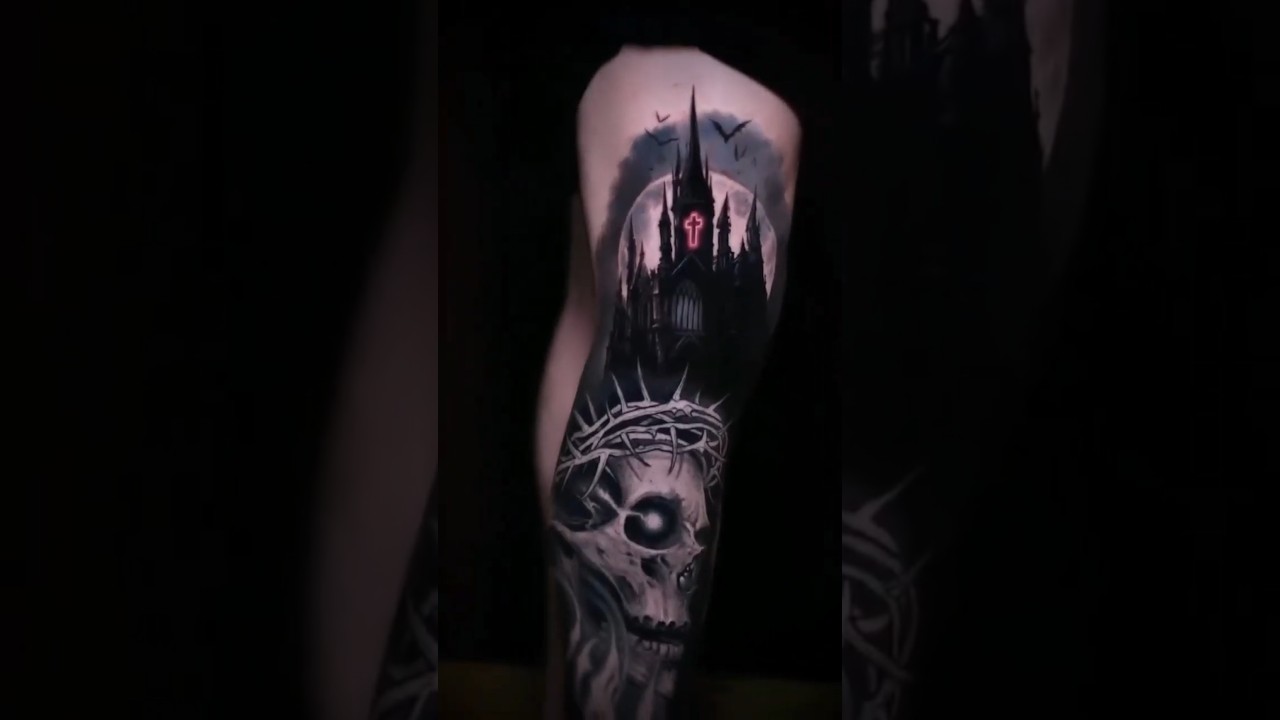
Radke’s leg gives the collection another surface to work with. Recent footage and social posts show a large leg tattoo by Kamil Mocet, alongside pieces by other artists. It uses the strong contrast of the newer work, with an image that can hold its shape while he moves onstage.
Leg tattoos are often hidden in everyday appearances, then show up in shorts, backstage clips or performances. A piece can be there for a while before fans get a clear look. Radke’s leg work fits the wider shift toward larger, more deliberate compositions.
It is best to describe the documented placement and visible design without assigning it a meaning. The updates support the artist, location and shape; a symbolic explanation would need to come from Radke or the artist.
The old octopus and shark show what changed
Looking back at the octopus and shark helps explain the difference between Radke’s earlier and newer tattoo eras. Those pieces have their own identities. The chest, back and leg work feels more like a visual system, especially after the blackout changed the background.
That does not make the older designs unimportant. They help explain why a reset might have appealed to him. When a collection has accumulated many separate pieces, a large blackout can give an artist a new structure to build on and more control over the overall shape.
Tattoo galleries online often mix pictures from different years. A photo of the octopus or shark may show an earlier version of Radke’s arm, while a newer image may show the same area after blackout work. Check the date before treating two photos as a contradiction.
What is confirmed and what is still fan guesswork
At a broad level, the documented collection includes a teardrop under the left eye, older octopus and shark tattoos shown in coverage, extensive blackout work, newer chest and armpit pieces, side and upper-back additions, and a large leg tattoo. Older photos also show other face and body ink, but not every design has a reliable name or confirmed meaning.
With a collection that changes this much, visibility is not the same as confirmation. A fan may identify a shape in a photo, but that does not prove what it represents. A video title might call something new without showing enough detail to catalogue it.
Radke’s collection is more interesting when the gaps are left open. The blackout is documented, as are the newer placements. The exact meaning of every older symbol is not. Keeping those things separate makes the article more useful for people looking for real tattoo references instead of recycled fan theories.
Why Ronnie Radke’s tattoo story keeps changing
The short version is that Radke had many tattoos, blacked out large areas, then started adding new work. The fuller story has several stages: smaller early pieces, recognisable face ink, a period when tattoos were part of his public image, a major blackout and now more large-scale designs.
That timeline explains why photos from different years can look so different. Tattoo coverage does not stand still. Designs get covered, extended or placed beside new work, and the balance can shift again as the chest and back pieces develop.
For now, the clearest documented themes are change, scale and control over his own image. The earlier tattoos were part of his public look, and the blackout changed how the collection reads from a distance. The newer pieces are giving it another identity.
Watch Ronnie explain his favourite tattoos
The interview below is the most useful companion because Radke talks through favourite pieces while showing the older collection. It helps fill in details that still photos can miss, especially when a tattoo wraps around the arm or sits in a hard-to-see spot.