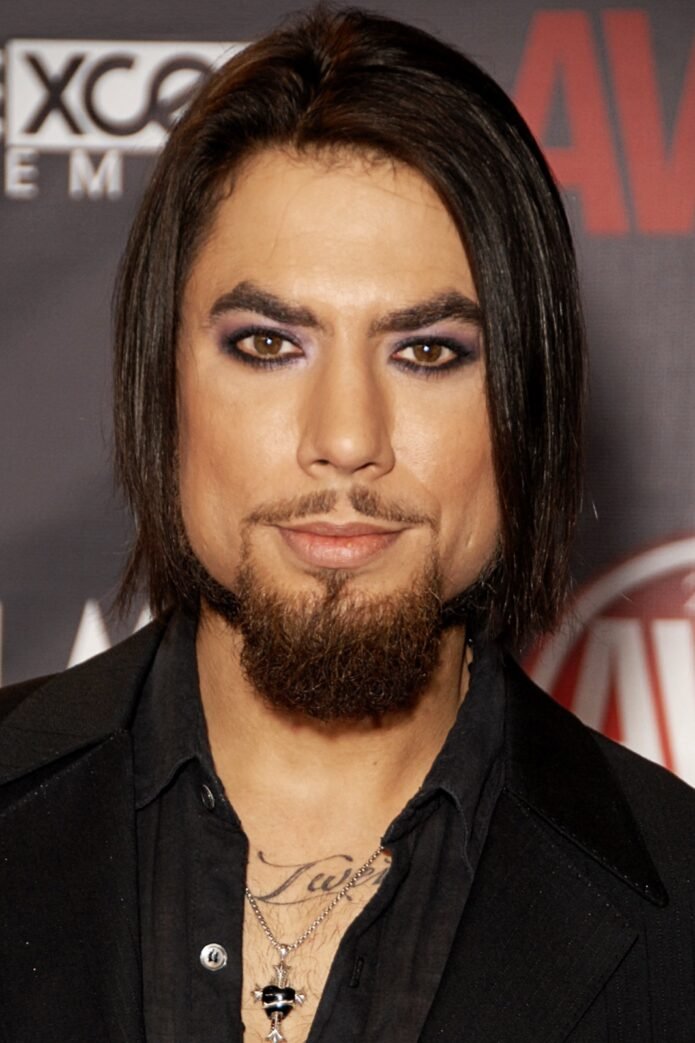
Dave Navarro’s tattoos are often described as a single wall of black-and-grey work, but the better way to read them is as a set of separate entries. Some are words, some are portraits, and some are designs whose meaning has never been fully explained in a reliable interview. Navarro has also spoken about tattoos as records of experience, which makes the collection feel closer to a diary than a fixed catalogue.
The strongest evidence comes from the details he has supplied himself. The lower-back word Constance is his mother’s name, and he has explained why that piece matters. His torso lettering is easy to see in performance photography, but not every phrase has a published explanation. This guide keeps the named designs beside the sources that support them and avoids treating every visible shape as a confirmed symbol.
Constance lettering is Navarro’s clearest family tribute
The most firmly explained tattoo in Navarro’s collection is the Gothic-style Constance lettering across his lower back. In an interview reported by Loudwire, Navarro identified Constance as his mother’s name. He said the tattoo was done in the early 1990s and described it as a commemorative piece connected to the loss of his mother, who died when he was fifteen.
That explanation gives the tattoo a weight that the photograph alone cannot provide. The lettering is large and deliberately ornate, with sharp edges and decorative curves, but the important fact is not the typeface. It is the name and the relationship behind it. Navarro has also said that he prefers many tattoos to happen spontaneously, which makes Constance different from the small pieces he might choose on impulse. He planned this one because it carried a specific memory.
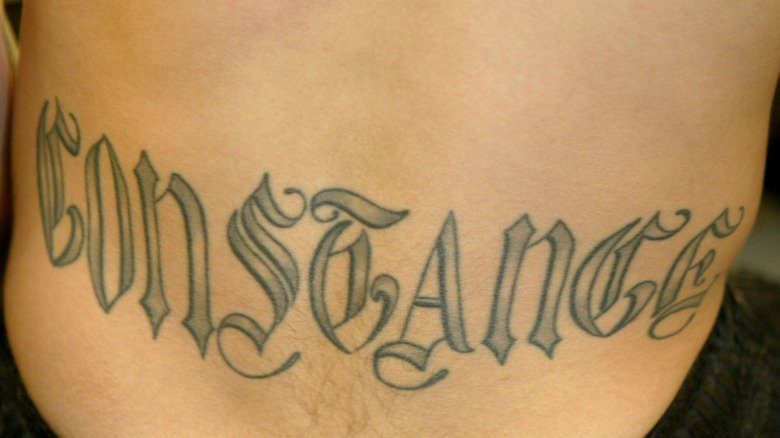
The lower-back placement also explains why the tattoo can be missed in ordinary performance photographs. Navarro is usually seen from the front with his guitar, hat and chest lettering on display. A backstage portrait or a photograph taken from behind reveals a different part of the record. The image attached here is therefore useful as a location reference, while the interview supplies the meaning that the image cannot show.
It is tempting to use Constance as a key to every other tattoo Navarro wears, but that would flatten the collection. The interview supports a precise family tribute, not a claim that every design has the same memorial purpose. The tattoo stands on its own because Navarro named it, located it and explained its personal importance.
Surrender Dorothy is part of the chest’s visible language
Surrender Dorothy appears across Navarro’s chest and is one of the phrases most easily recognised in photographs of him performing shirtless. The lettering sits among other chest designs, so it should not be treated as an isolated slogan without acknowledging the surrounding composition. The phrase is visually clear, while the reviewed sources do not provide a complete statement from Navarro about the exact moment he chose it.
That distinction is important. A visible phrase can be transcribed accurately without a writer inventing a private explanation. The chest photograph shows the lettering, the placement and the relationship between words and nearby imagery. It does not establish whether the phrase refers to a film, a personal joke, a friendship or a particular period of Navarro’s life. Until he explains that connection directly, the safest article language is descriptive.
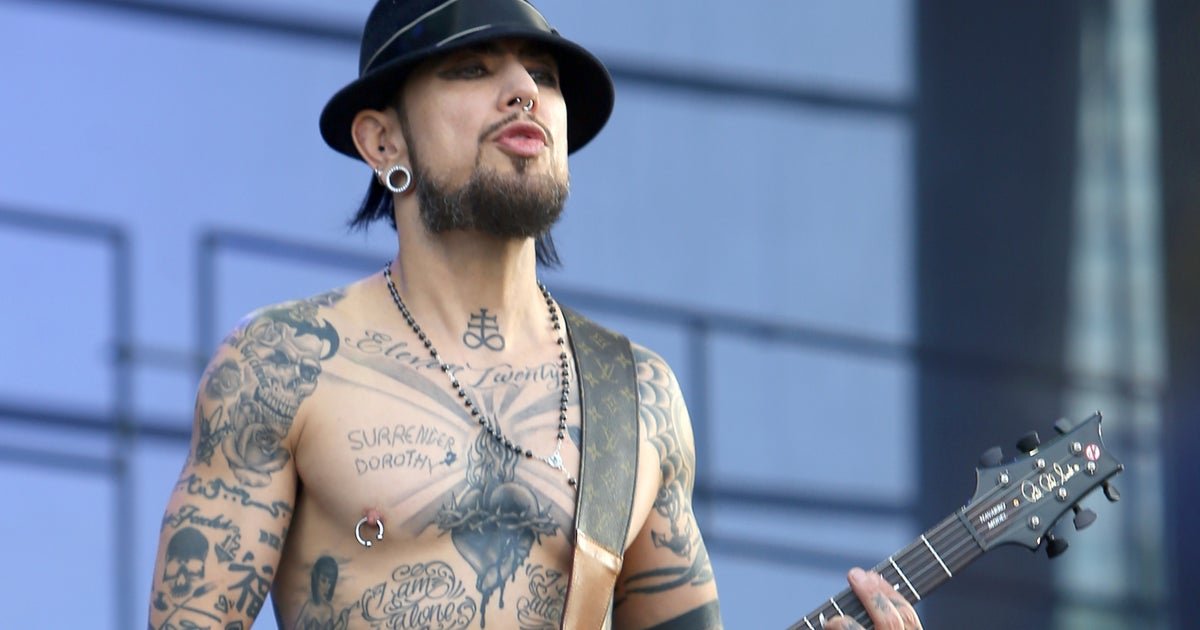
The tattoo also shows how Navarro’s body art works with his stage identity. The words are readable from a distance, but the surrounding black-and-grey work becomes clearer in a closer portrait. His tattoos are part of the visual impression he brings to a performance, yet that public visibility should not be confused with public access to every story behind the ink. The phrase can be important without the article claiming more than the source gives us.
Navarro has described tattoos as records of experience, and that broader comment helps explain why the wording belongs in the guide. It does not give Surrender Dorothy a made-up meaning. Instead, it supplies context for why a phrase may remain on his skin even when the original conversation around it is private.
Eleven Twenty-Two lettering anchors the upper chest
The words Eleven Twenty-Two run across Navarro’s upper chest in close photographs. The lettering is framed by radiating lines, making it one of the more graphic pieces in the torso composition. Unlike Constance, the exact personal explanation for the date-like wording is not established by the sources reviewed here, so the article keeps the observation literal.
Close photography matters because the phrase can disappear in a concert image where Navarro’s guitar strap, necklaces or stage lighting cover part of his chest. A well-lit portrait separates the wording from the other designs and makes the punctuation and numbers easier to read. Readers should still be cautious when comparing older and newer images because posture, body position and lighting can change the appearance of the same work.
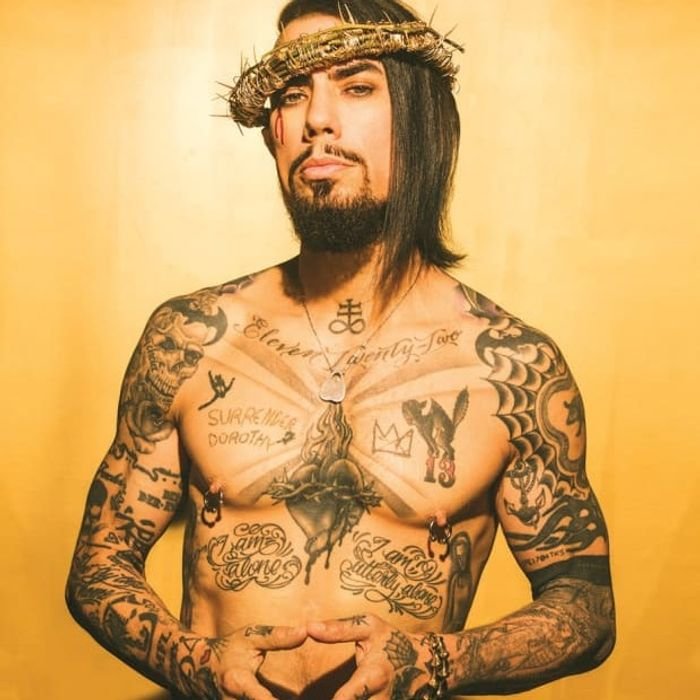
The surrounding anatomy-inspired heart and mirrored script make the chest a dense visual field. That density is why a tattoo guide should give each named phrase its own section rather than attaching one generic image to a long list. The image here is chosen for Eleven Twenty-Two specifically, while the text avoids claiming that the phrase explains the heart or the other lettering nearby.
There is also a useful editorial lesson in this tattoo. A date or number can look meaningful before its owner has confirmed what it means. Navarro’s collection contains enough documented personal material to show that some designs are memorial, but that does not authorise a writer to turn every numeral into a biography. The responsible description ends with what the photograph and source can actually prove.
What the documented tattoo record leaves open
Navarro’s collection is substantial, and public photography shows more than the three entries above. The lower-back tribute is the clearest example of a tattoo whose meaning has been stated plainly. The chest phrases and surrounding designs are visually well documented, but their full stories are not equally available. That difference is part of the subject, not a gap to be filled with guesswork.
The most reliable guide therefore uses two kinds of evidence together: Navarro’s own comments for tattoos such as Constance, and close photography for wording and placement that can be read but not fully interpreted. This approach leaves room for later interviews to add detail without forcing today’s article to pretend that every mark has an official explanation.