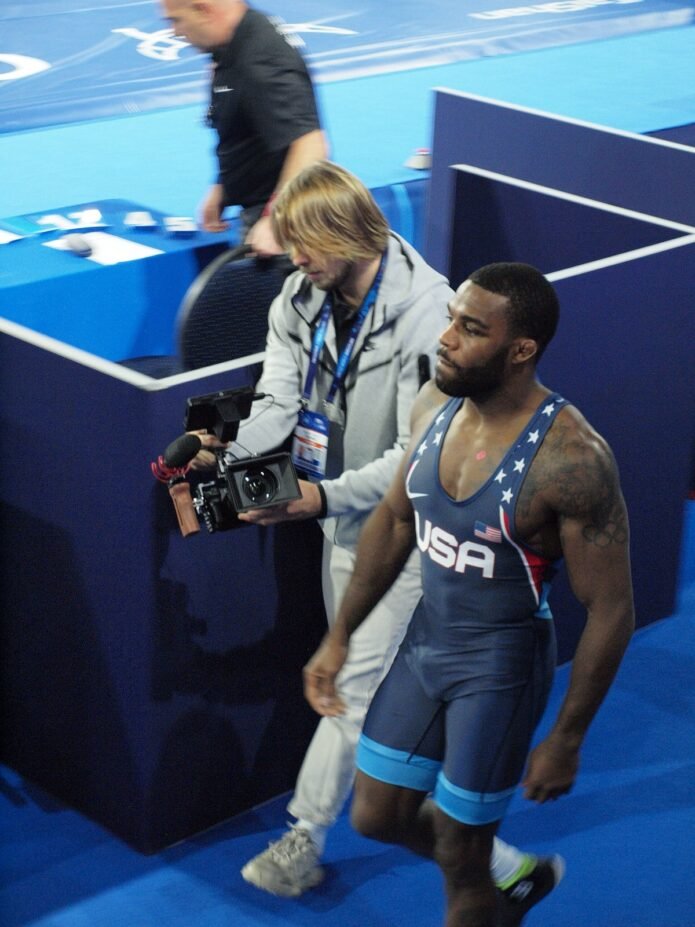
Jordan Burroughs has described his tattoos as markers of particular moments rather than as a single coordinated project. In a Team USA interview, he recalled the first piece he got in July 2005, then connected later designs to goals, Olympic milestones and the changing stages of his wrestling career. The interview gives readers several concrete designs and locations, while also making clear that no short list should pretend to count every mark on his body.
Jordan Burroughs’s JB initials and wings back tattoo
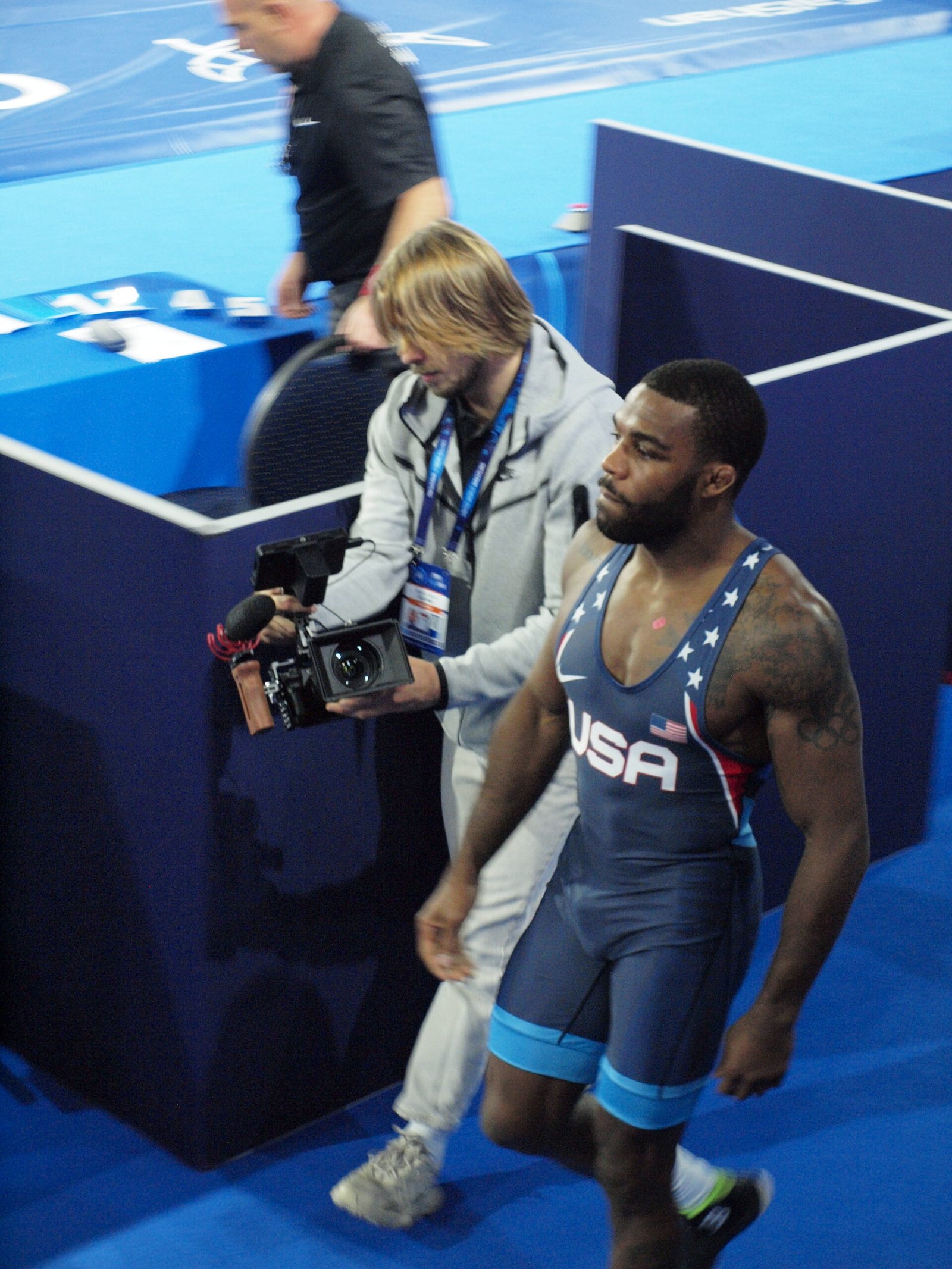
Burroughs said his first tattoo was a set of his initials, JB, with wings on his back. He got it in the summer between his junior and senior years of high school, after his parents agreed to the decision. He remembered the cost as 150 dollars and described going home to show the piece to his friends.
The timing is important because this was not a tattoo added after Olympic fame. It belongs to the period when Burroughs was preparing for the next stage of life and considering college wrestling. The wings also make the piece visually easy to describe without assigning it a meaning he did not state. A guide can identify the letters, the back placement and the 2005 date while leaving the exact artistic style to a clear photograph.
The Dream and do it chest tattoo
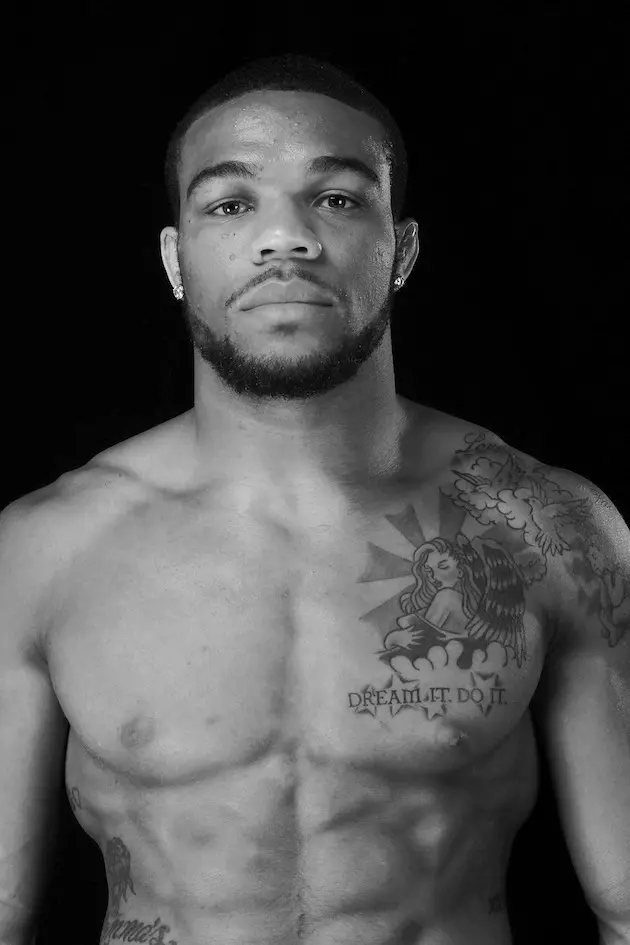
One of the best documented phrases in Burroughs’s collection is Dream and do it, placed on his chest. He explained that the words worked as a mantra for believing that difficult goals were possible if he was willing to put in the work. That explanation connects the lettering to his training ethic and ambitions, not to a generic motivational quote detached from his career.
Chest lettering also functions differently from the back piece. The first tattoo marked a personal transition and was something he showed friends immediately. The chest phrase became a visible reminder that could sit close to the work of wrestling, conditioning and competition. The wording should be preserved exactly as he gave it, because changing the phrase into a more familiar version would alter the documented tattoo.
His Olympic rings tattoo on the left arm
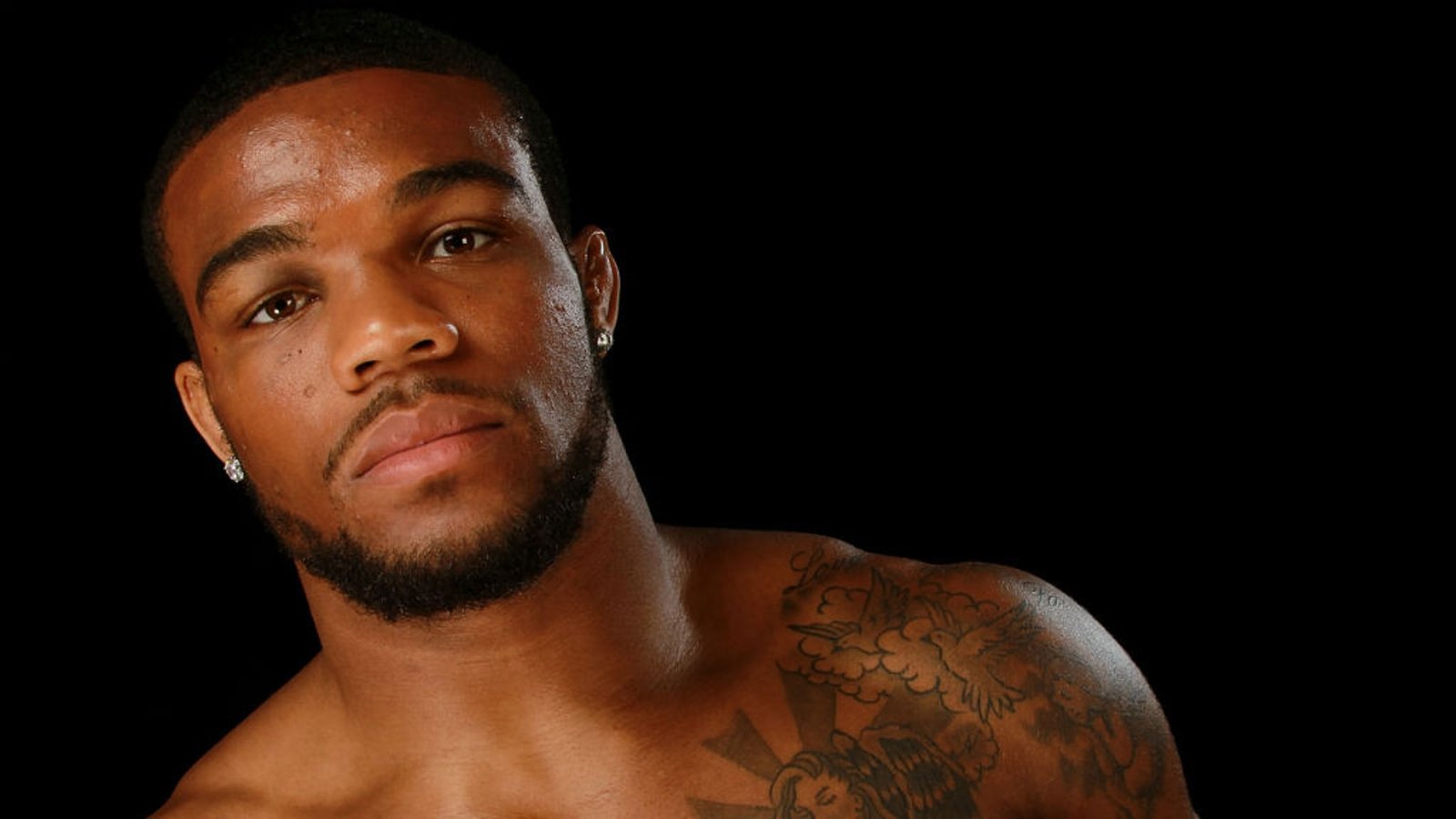
Burroughs said he got the Olympic rings on his left arm after making the team. The placement ties the design directly to selection and participation rather than to a general admiration for the Games. For an athlete whose career includes a 2012 Olympic gold medal, the rings represent a specific professional threshold that he had reached.
The rings are also a useful example of how a tattoo can record an event without needing a long explanation. The interview supplies the timing and the reason. Photographs from competition may reveal the arm at different angles, so readers should separate what the image shows from details that only Burroughs has stated. The safest inventory entry is the rings, the left-arm location and the moment when he made the team.
How Jordan Burroughs’s tattoos follow life moments
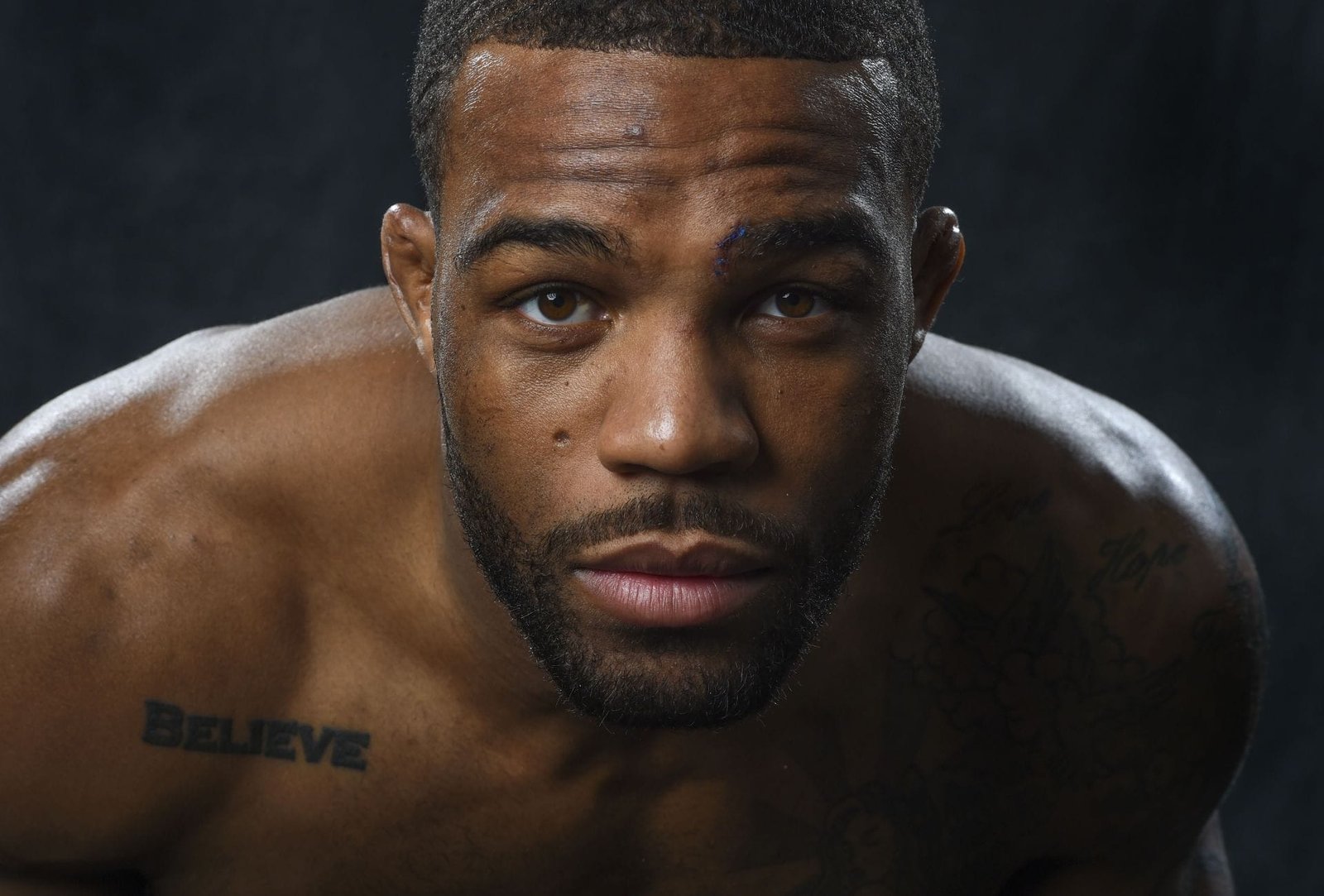
Burroughs explained that the designs accumulated as his wrestling career developed. He described tattoos as reminders of where he was at a particular moment, which is why the collection includes more than one kind of subject. The initials and wings belong to high school. The chest phrase reflects a durable approach to ambitious goals. The Olympic rings mark a major sporting achievement.
That timeline gives the collection its strongest editorial structure. It avoids claiming that every tattoo has one symbolic system and instead follows the dates and explanations that are available. Burroughs also spoke respectfully about the artists who made the work, comparing different tattooists with painters whose approach changes the depth and character of a finished piece. The interview supports that appreciation, but it does not provide a complete artist credit for every design.
What the available interviews confirm
The clearest facts are Burroughs’s first tattoo in July 2005, the JB initials and wings on his back, the Dream and do it chest lettering, and the Olympic rings on his left arm after making the team. His comments also establish a broader idea: the tattoos correspond to moments, goals and the freedom to step outside the tightly disciplined life of an elite athlete.
Other details require restraint. A photograph can show a mark without explaining when it was added, who tattooed it or what it means. The Team USA interview is strong evidence for the designs Burroughs names, but it is not an official lifelong census. A useful Jordan Burroughs tattoo guide therefore keeps the documented entries specific, uses dated images carefully and avoids inventing a meaning for ink that he has not explained.
Burroughs’s comments also explain why a complete visual count would be misleading. A tattoo may be visible in one training photograph and hidden in another, while a design can be partly covered by competition clothing. The interview gives firm anchors for the first back piece, the chest lettering and the Olympic rings. It also gives a method for reading the rest of the collection: connect an identifiable design to the moment he names, then stop where the evidence stops.
The phrase Dream and do it is especially useful in that framework because Burroughs supplied its meaning himself. It is not necessary to infer that every nearby mark represents a specific medal or tournament. Likewise, the Olympic rings can be tied to making the team without claiming that every later arm tattoo records an Olympic event. The distinctions keep the article accurate while still showing how his athletic life shaped the sequence.
For readers studying the images, the safest approach is to compare placement before interpretation. The back piece belongs to the upper body, the lettering is on the chest and the rings are on the left arm. Lighting, posture and distance can alter what a photograph seems to show. Those visual limits are normal in celebrity tattoo research, and they are why Burroughs’s own descriptions carry more weight than guesses made from a single frame.
The chronology remains useful.