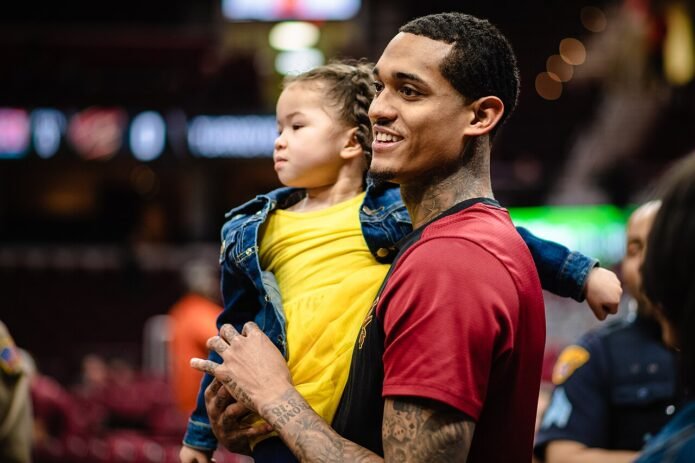
Jordan Clarkson’s tattoos tell a clear story of speed, influence and basketball memory. GQ’s Tattoo Tour explains that he began with no tattoos, then built a sleeve in a concentrated period of roughly two or three months. The collection includes a Nipsey Hussle portrait, an Allen Iverson portrait, a peace sign on his knee and earlier initials. Those pieces are more useful than a generic list of arms and legs because Clarkson identifies the people and designs that matter most to him.
Nipsey Hussle and Allen Iverson anchor Clarkson’s sleeve
The two most important portrait tattoos Clarkson discusses honour Nipsey Hussle and Allen Iverson. The subjects connect different parts of Clarkson’s life: Nipsey represents a contemporary artist and community figure, while Iverson represents basketball influence. The GQ episode presents both portraits within the wider sleeve, giving the designs a clear relationship to Clarkson’s career and interests.
A portrait tattoo should be documented by subject and placement rather than by a vague description of a face. Clarkson’s explanation gives the names, while the image gives readers a chance to see how each portrait sits among the other arm work. The designs should remain separate entries even when they appear close together.
The Nipsey Hussle portrait
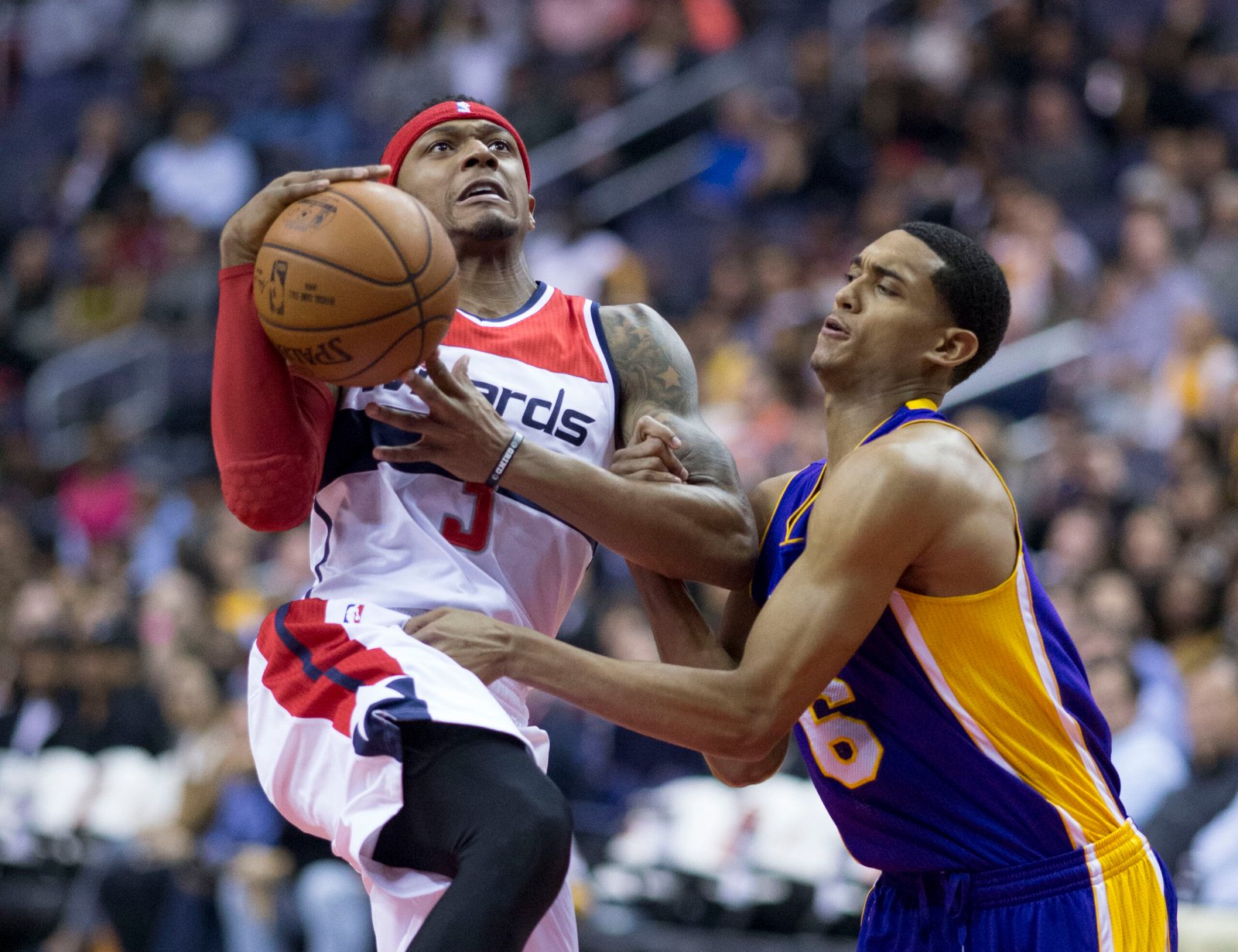
Clarkson’s Nipsey Hussle tattoo belongs to a broader public tradition of memorial and admiration tattoos. The important factual point is the subject he identifies. The piece does not need to invent a private event or claim that every surrounding symbol refers to Nipsey. A portrait can stand on its own as a documented tribute.
Images of the sleeve can make the portrait look different depending on light and angle. A close frame is stronger than a game photograph where the arm is in motion. Readers should compare the facial detail and placement in clear images, while treating blurred shapes around it as supporting context rather than separate confirmed tattoos.
The Allen Iverson tribute
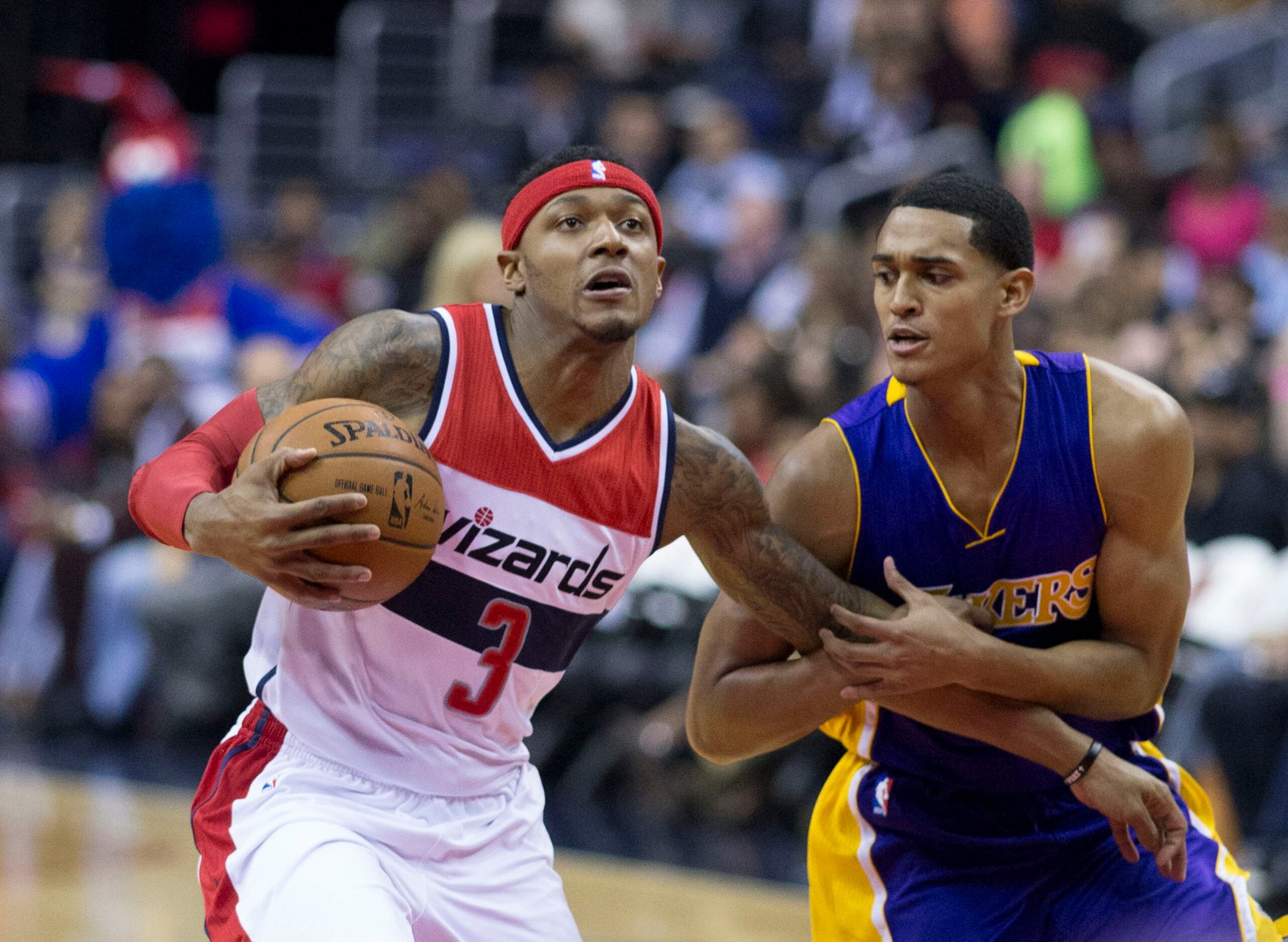
Allen Iverson’s place in basketball history gives Clarkson’s second portrait a clear career connection. Iverson influenced a generation of players, and Clarkson identifies the portrait as part of his own tattoo collection. The source establishes the tribute and the subject; it does not require a longer invented statement about every personal reason behind the choice.
The portrait also shows why a sports tattoo should be read alongside the player’s own explanation. A jersey number or silhouette can suggest a basketball reference, but a face portrait is stronger visual evidence when the subject can be recognised. The inventory should name Iverson because Clarkson does, not because an observer guesses from a distant photograph.
The peace sign on the knee
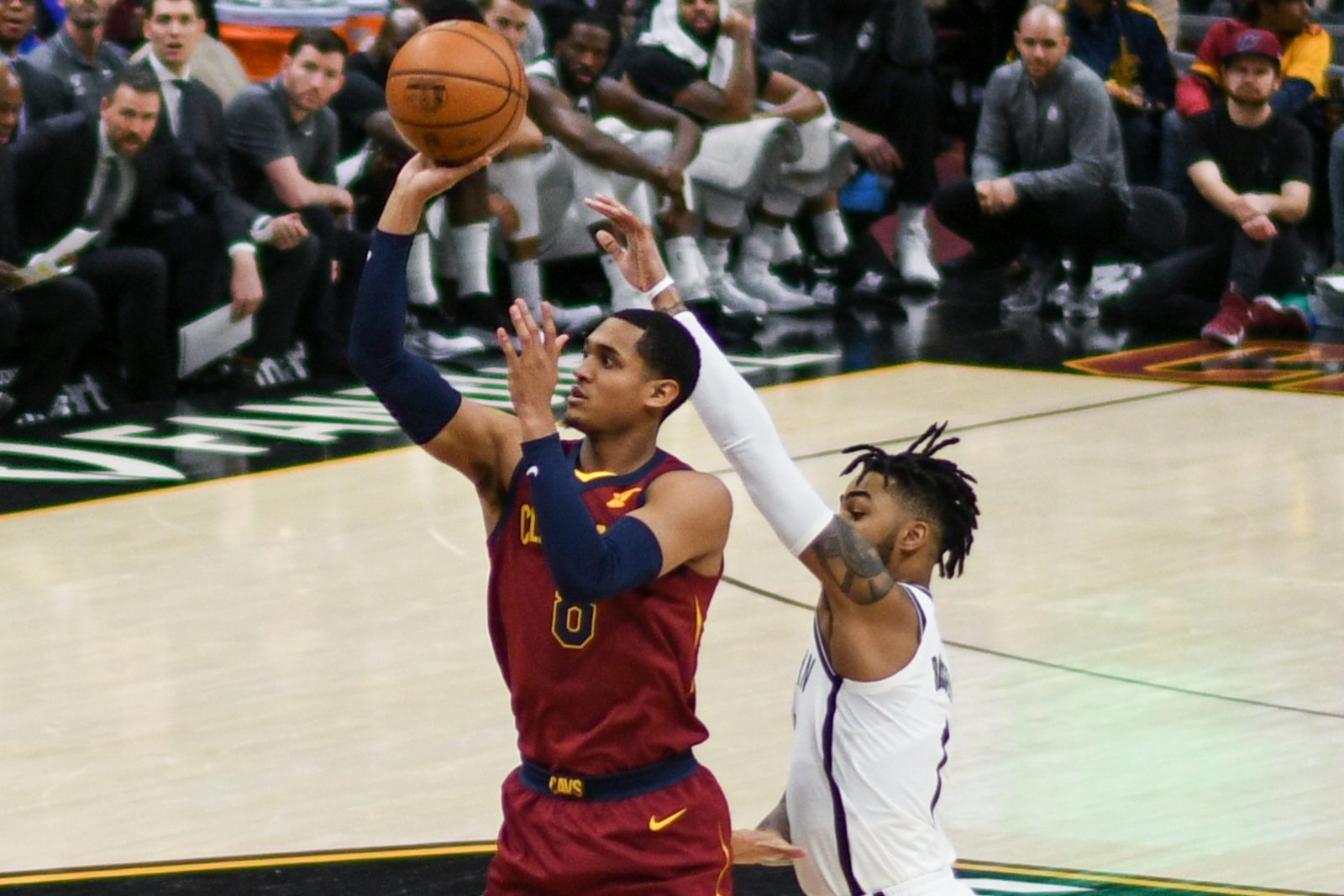
GQ’s description of Clarkson’s collection includes a peace sign on his knee. It is a smaller, simpler design than the sleeve portraits and belongs to an earlier stage of his tattoo history. The source identifies the symbol and location, but does not establish a detailed private meaning.
That limit is worth preserving. Peace signs are common and invite broad interpretations about calm, unity or personal beliefs. Those interpretations may be possible, but they are not Clarkson’s confirmed explanation in the reviewed sources. The useful facts are the symbol, the knee placement and its role in the early collection.
Initials came before the sleeve
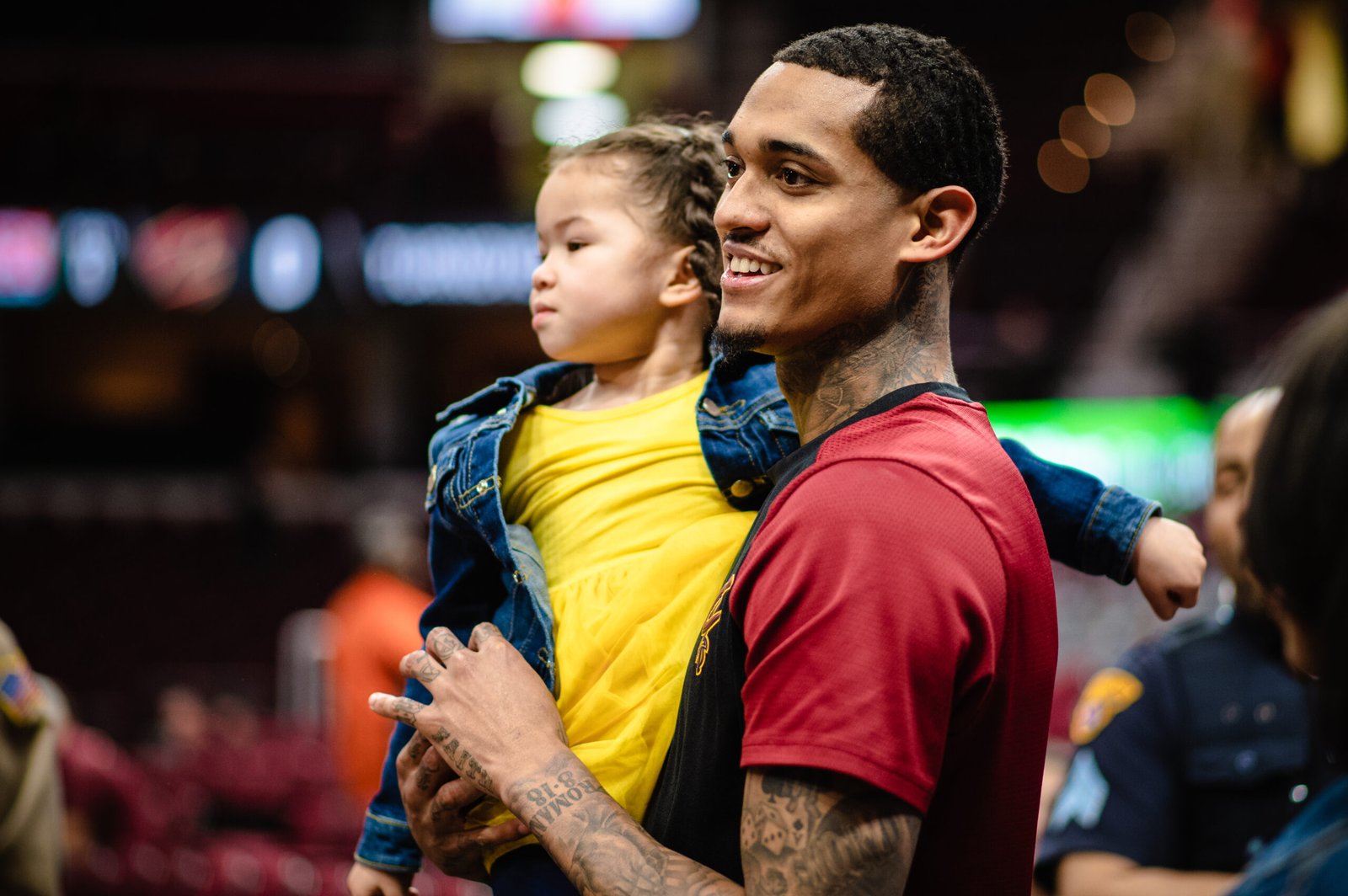
Clarkson says his first small tattoo was his initials. That starting point matters because it shows the collection before it expanded into portraits and connected sleeve work. Initials are also a personal form of lettering, but the public source does not require the article to assign a larger story to them.
The sleeve grew quickly after that first piece. Clarkson describes a two-to-three-month period when he and the tattoo artist were working almost every day. That compressed timeline explains why the collection can look highly developed in later images even though it began with a single small mark.
How the sleeve developed
A sleeve is not one tattoo simply because it occupies one arm. Clarkson’s collection includes portraits, symbols, initials and additional work added around them. Some pieces can be named through his interview, while other details are best described as surrounding shading or supporting designs until a source identifies them.
That distinction helps readers compare different photographs. A later image may show more connected shading, while an older one may show open space between portraits. The change can reflect new work or different lighting rather than a cover-up. Dated photographs are necessary before claiming that a portrait was altered or removed.
Meaning and evidence levels
The portrait subjects provide the strongest personal context because Clarkson names them directly. The peace sign and initials have clear visual identities but less public explanation. The remaining sleeve work is visible and important to the overall composition, yet every small symbol does not need a separate story.
This approach is better than treating the tattoo list as a complete biography. Clarkson’s voice supplies the documented connections. The photographs supply placement and visual detail. Where the sources do not answer a question, the meaning should remain unconfirmed rather than being filled with a familiar tattoo cliché.
What the GQ Tattoo Tour confirms
The GQ Tattoo Tour supports four strong anchors: the Nipsey Hussle portrait, the Allen Iverson portrait, the peace sign on the knee and the initials that came first. It also confirms that Clarkson built a much larger sleeve during a short, intense period of tattooing. The exact design-by-design inventory beyond those pieces remains less complete.
Readers comparing images should start with the two portraits, then look for the knee symbol and initials in photographs that show those areas. Use the date and setting of each image, because basketball uniforms and camera angles can hide much of the body. A clear source should lead the identification, and uncertain details should remain unlabelled.
Jordan Clarkson’s tattoos therefore combine sports influences, contemporary cultural tribute and a rapid period of creative accumulation. The portraits provide the strongest stories. The peace sign and initials show the collection’s earlier stages. The surrounding sleeve work completes the visual picture while reminding readers that a visible mark is not automatically a publicly explained one.
One thought on “Jordan Clarkson’s Tattoos: Nipsey Hussle, Allen Iverson and a Rapidly Built Sleeve”