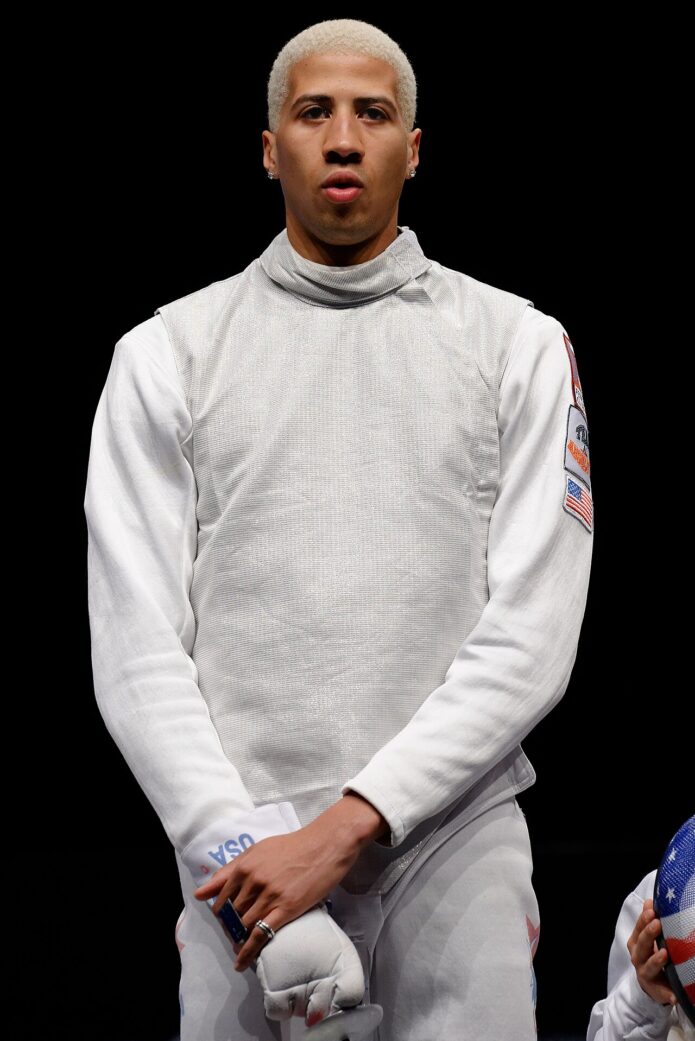
Miles Chamley-Watson’s tattoos are a big part of how people recognise him. He’s an Olympic fencer, a model and one of the few athletes whose ink is almost as noticeable as the sport itself. The sleeves stand out in fashion shoots, interviews and fencing photos, especially once the jacket comes off.
There isn’t a neat official list of every mark on his body, so this guide sticks with the pieces and phrases that can actually be seen or that he has discussed. GQ’s tattoo tour says his first tattoo came before the 2012 Olympics. TIME later described him as heavily tattooed while talking about the way he brings more personality to fencing. Put together, those sources give us a clear timeline without pretending every small patch of ink has a confirmed story.
The tattooed sleeves became part of Chamley-Watson’s fencing identity
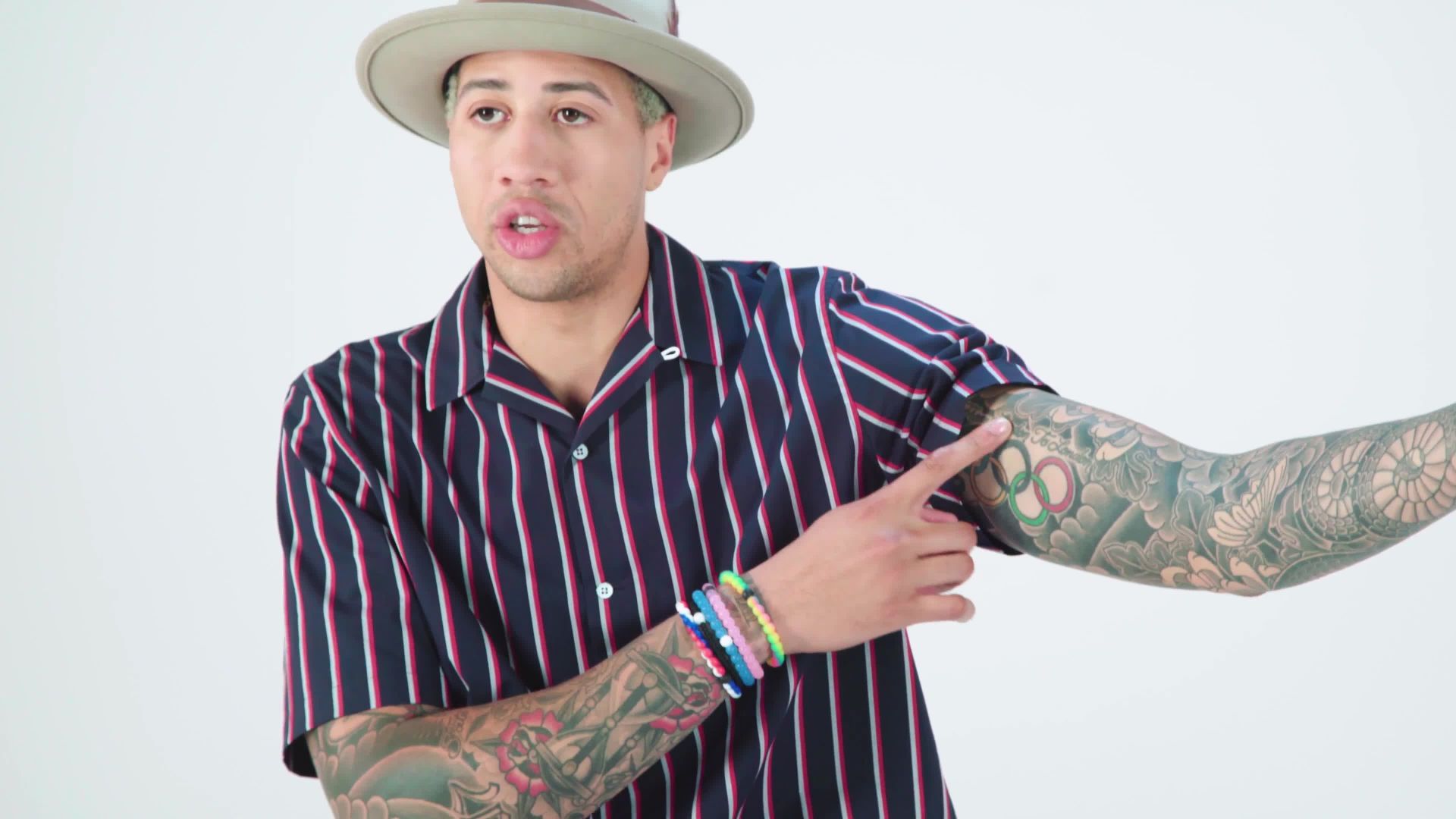
The most obvious thing about Chamley-Watson’s ink is the pair of heavily worked sleeves. They cover large parts of both arms and make a strong contrast with the white fencing uniform. When he lunges or raises his weapon, the tattoos become part of the shape people see first.
That doesn’t mean the arms are one giant design. They look more like lots of separate pieces built up over time. A wide portrait can make the whole sleeve look like one dark block, while a closer photograph shows different line weights, open skin and shaded sections sitting beside each other.
That difference matters. The available reporting supports the scale of the sleeve work and its place in Chamley-Watson’s public image. It doesn’t give us a separate biography for every tiny symbol. When a mark is too blurred to identify, the honest answer is that it’s visible but unclear.
The fencing gear changes the way the tattoos appear too. Gloves, jackets and the mask can hide parts of the arms. In a fashion shoot, the same ink becomes much easier to see because the styling is built around the body. That is why it helps to compare sports photographs with the more controlled GQ footage.
GQ also gives us some useful details. Chamley-Watson points out writing on the inside of his arm and connects his first tattoo with London, where he grew up. He also shows the words “Create a legacy, not a moment”. That phrase sits inside the wider sleeve rather than floating as a separate slogan.
The words make the arms feel more personal. One tattoo carries a place. Another carries a principle. The rest of the sleeve supplies the visual weight around them. That’s more useful than counting every shape and pretending each one has a published meaning.
His first tattoo arrived before the 2012 Olympic breakthrough
Chamley-Watson says in the GQ tattoo tour that he got his first tattoo before the 2012 Olympics. That gives the collection a clear starting point. It doesn’t mean the full sleeve existed then. The arms grew as his fencing career and fashion work grew.
The timing is interesting because the tattoo came before he became a familiar name outside fencing. It belongs to the period when he was building the athletic identity that later made him stand out in a sport often shown through formal white kit and serious poses.
Close photographs are much more useful for the early arm and hand work than competition images. A full-body shot can show that the sleeves are there, but a nearer frame gives readers a better idea of placement. The wider interview adds the context: Chamley-Watson started young and kept adding to the collection.
It’s also worth keeping the timeline in the right order. His first tattoo predates the Olympic breakthrough, but it does not date every tattoo people can see now. The current sleeves were built across later years. Treating one early piece as the start of the process is accurate; treating it as the date of the whole collection is not.
The London connection gives the first piece a simple personal anchor. It doesn’t need a dramatic backstory added on top. He grew up there, got the tattoo before 2012 and later developed a much larger visual identity around it.
The sleeve is a group of separate images, not one flat block of ink
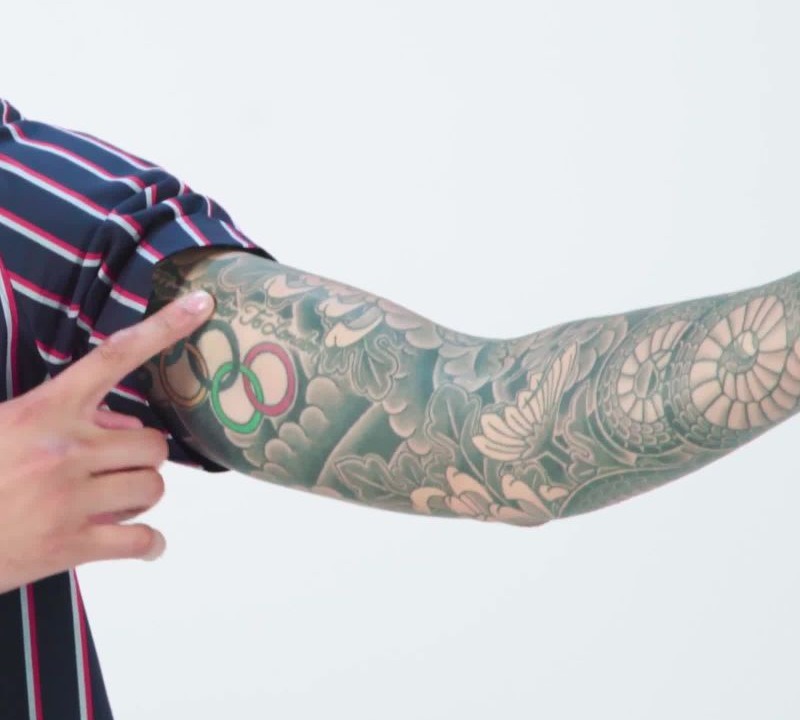
The close-up makes the sleeve easier to understand. There are overlapping lines, shaded areas and ornamental shapes rather than one emblem stretched from shoulder to wrist. Some sections are dense. Others leave more skin open. Together they create movement across the arm.
That’s why “sleeve” is useful, but it isn’t a full inventory. A photograph can prove that the forearm is covered without proving whether one small shape is a face, a bird or an abstract flourish. Chamley-Watson’s GQ tour is stronger evidence because he turns his arms for the camera and talks about the pieces he chooses to show.
The image establishes the design and placement. His comments supply meaning where he actually gives one. Everything else should stay descriptive. There is no need to assign a private story to every shaded patch.
The sleeve also affects how people read him as an athlete. In full fencing kit, the tattoos can disappear beneath the jacket. Once the jacket comes off, the contrast is instant. The sport gives him one silhouette, while the ink shows the personality he has built around it.
The neck and torso details add another layer
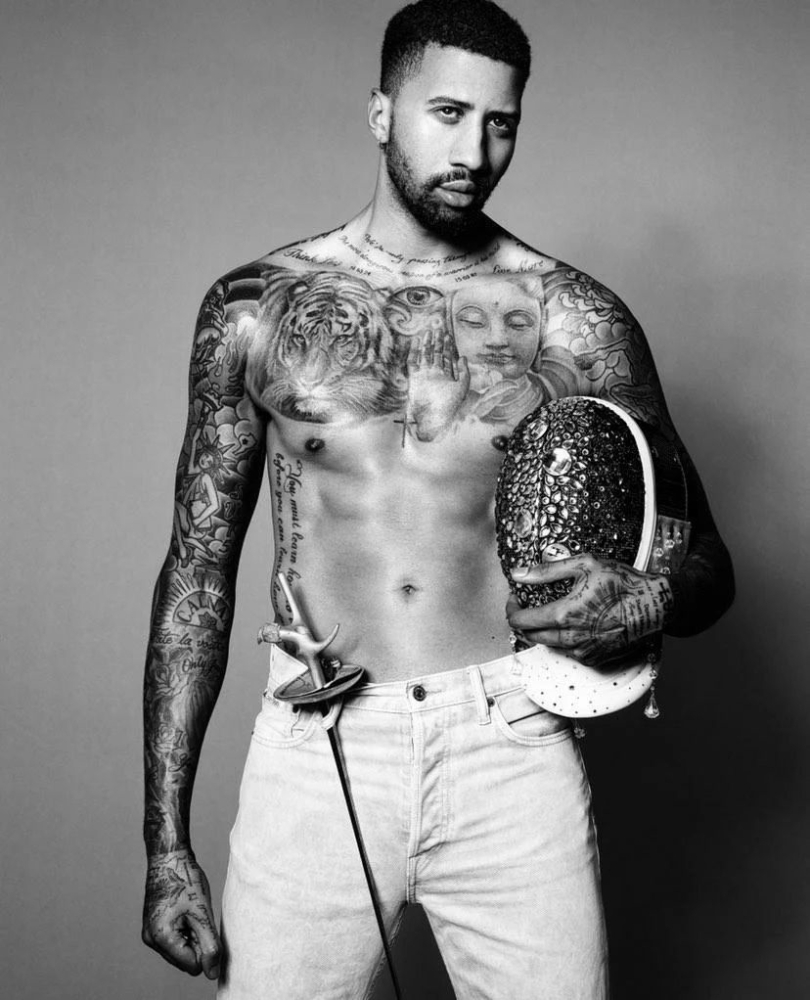
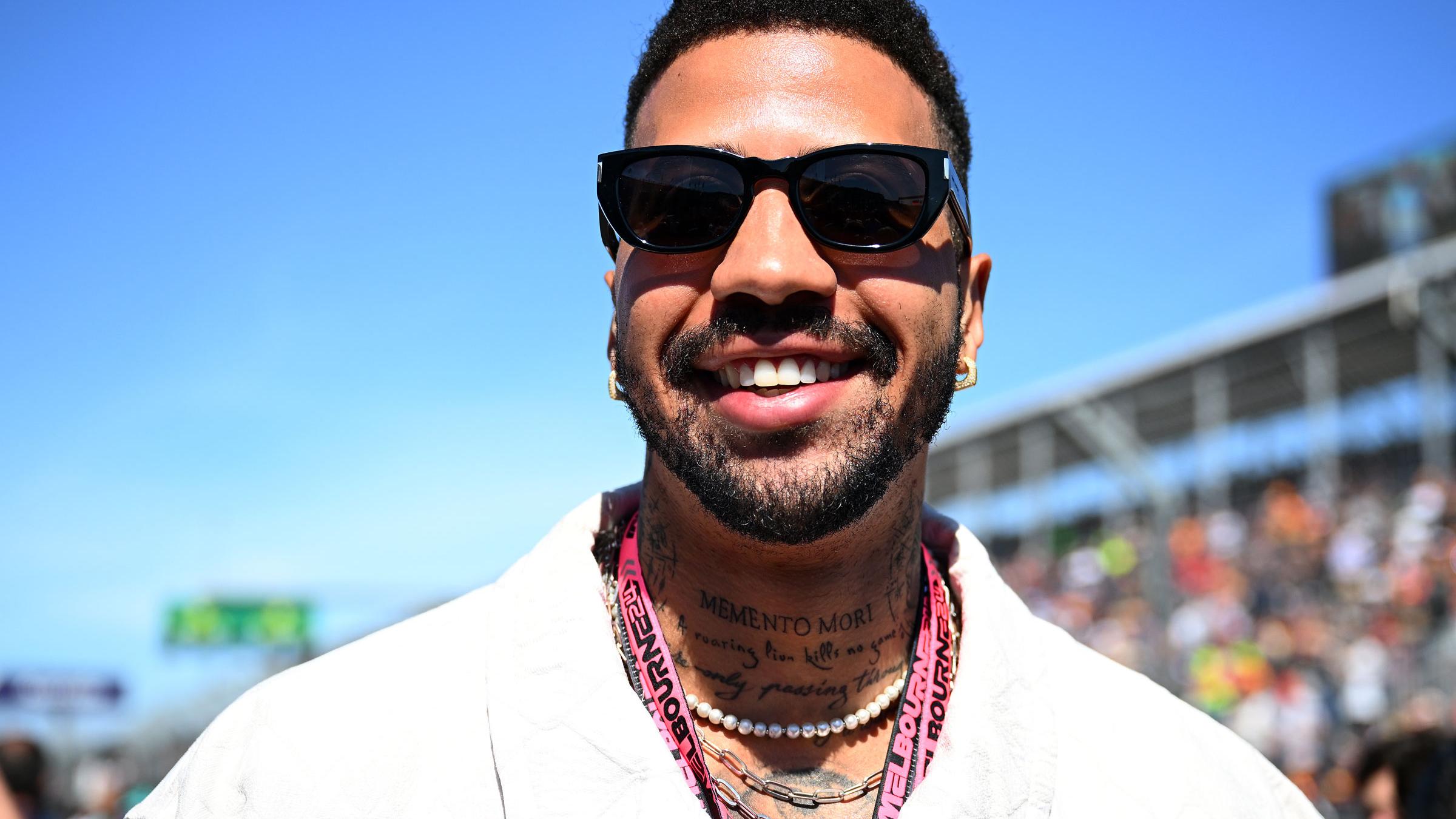
The arms get most of the attention, but photographs also show lettering around the neck and more work across the torso. The black-and-white portrait makes that wider layout easier to see. It also shows why a sleeve-only description doesn’t tell the whole story.
The neck lettering is especially easy to miss in action photos. A collar can hide it, and fencing equipment covers even more. In a studio portrait, the words sit above the clothing line and become part of the first impression.
The torso work doesn’t need to be turned into a list of guesses. A clear photograph can establish that it exists and show how it relates to the arm pieces. It can’t automatically explain when every mark was added. That distinction keeps the guide grounded.
“Self-belief” and “Create a legacy, not a moment” give the arms a spoken vocabulary
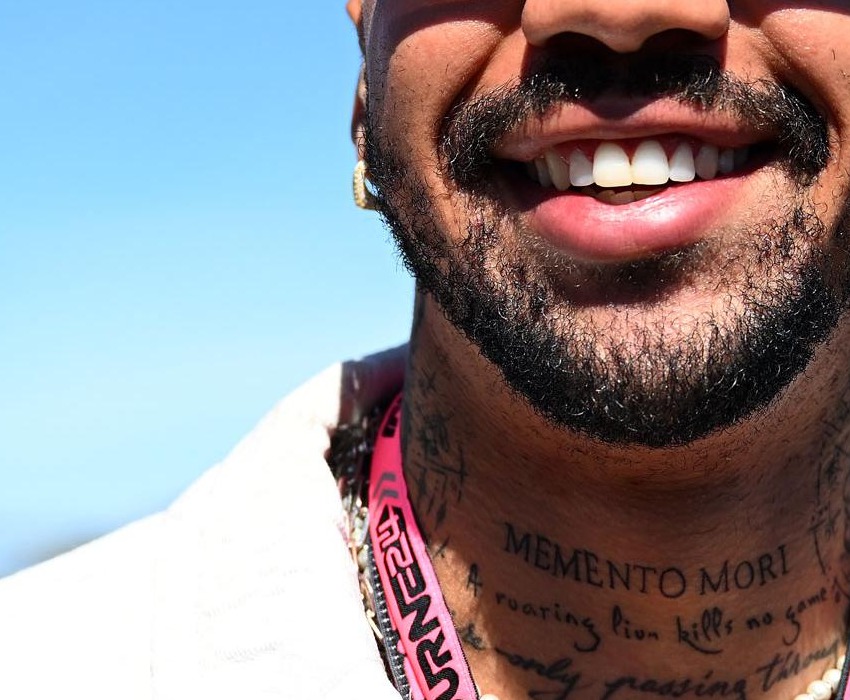
Not every important tattoo in the collection is a picture. Chamley-Watson has also pointed out words that explain the attitude behind his public image. GQ includes the line “Create a legacy, not a moment.”, while later coverage identifies “self-belief” as another tattoo.
Those phrases shouldn’t be blended into one generic motivational message. One is about leaving something behind. The other is a direct statement about confidence. They do similar work in the collection, but they are still separate tattoos with separate wording.
The words fit the way Chamley-Watson talks about fencing, but the tattoo doesn’t prove that every career decision came from one master plan. What it does show is that some of the ink is deliberately textual. He has chosen phrases that can be read, remembered and discussed.
That spoken vocabulary sits nicely beside the heavy sleeve work. The images create density and movement. The lettering gives readers something specific to hold on to. It turns the arms from a wall of black-and-grey detail into a mixture of pictures, patterns and personal reminders.
The tattoos change when the sport changes the view.
The same tattoo can look completely different depending on whether Chamley-Watson is fencing, posing or talking through the work in an interview. A raised arm stretches the skin. A bent elbow folds a design into shadow. A jacket can hide the shoulder, while a sleeveless fashion image shows nearly everything at once.
That’s why a good guide needs more than one type of photograph. The full sleeve image gives the overall scale. The forearm shot helps with smaller marks. The closer sleeve image shows how the pieces fit together, and the torso portrait shows that the ink continues beyond the arms.
None of those photographs should be treated as a final count. They are snapshots from different moments and angles. They show what was visible at the time, not necessarily every tattoo Chamley-Watson has ever had.
His tattoos are part of the way he presents himself.
Chamley-Watson has always mixed sport with fashion and performance. The tattoos fit that approach. They make the traditional fencing uniform feel less formal once the sleeves and neck work come into view.
That doesn’t mean the ink is only a styling choice. The London-linked first tattoo, the written phrases and the long timeline all point to a personal collection that grew alongside his career. The public image and the private meaning can exist together without every design needing a dramatic explanation.
The simplest summary is still the strongest one. He started getting tattooed before the 2012 Olympics. The work later expanded into large sleeves, neck lettering and torso pieces. Some words have clear explanations, while many smaller shapes are best left as visible details rather than invented stories.
What the evidence actually confirms.
The main facts are easy to separate. Chamley-Watson has extensive tattooed sleeves. He got his first tattoo before the 2012 Olympics. The first piece is connected with London, and he has shown phrases including “self-belief” and “Create a legacy, not a moment.”
The photographs confirm the scale and placement of the arm, neck and torso work. They also show why the collection should be described in groups rather than forced into a list of names that the sources don’t support.
That approach makes the tattoos more interesting, not less. The sleeves have enough detail without a made-up backstory. The writing gives the collection a voice. The timeline gives it shape. And the fencing photographs show how the ink has become part of the way Miles Chamley-Watson is recognised.
One thought on “Miles Chamley-Watson’s Tattooed Arms: Sleeves, Self-Belief and a Legacy in the Making”