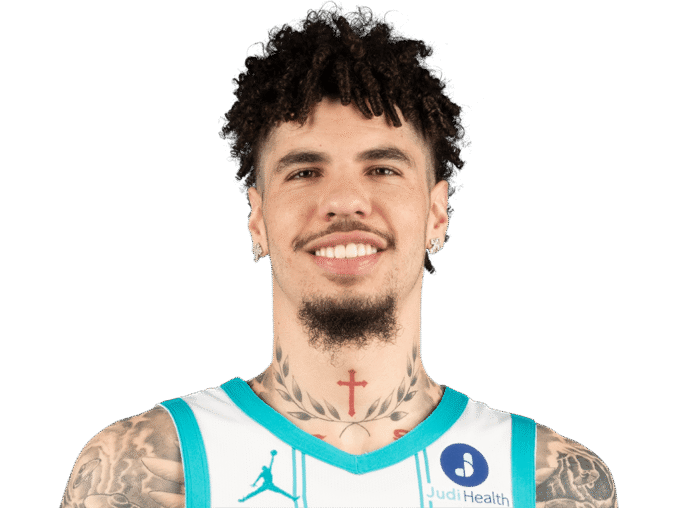
LaMelo Ball’s tattoos are part of the same visual language as his basketball persona: oversized, direct and easy to spot from the stands. The collection is not a single finished mural. It has grown through separate sessions, public reveals and smaller pieces that appear in portraits or training photographs. The strongest recent record is the 2025 chest and arm project, which Complex reported took five artists to complete. Public images show a large winged number one, red lettering and coordinated work on both arms. Older photographs add hand and forearm details, but those smaller marks need more careful description because a soft image can make a shape look more definite than it is.
This guide separates what the reporting names from what photographs merely show. The number one is visible and closely tied to Ball’s identity as a player. The phrases God’s Soldier and Chosen One are readable in the reported chest project. Other marks can be located without assigning them a private meaning that Ball has not publicly explained.
LaMelo Ball’s winged number one dominates the chest
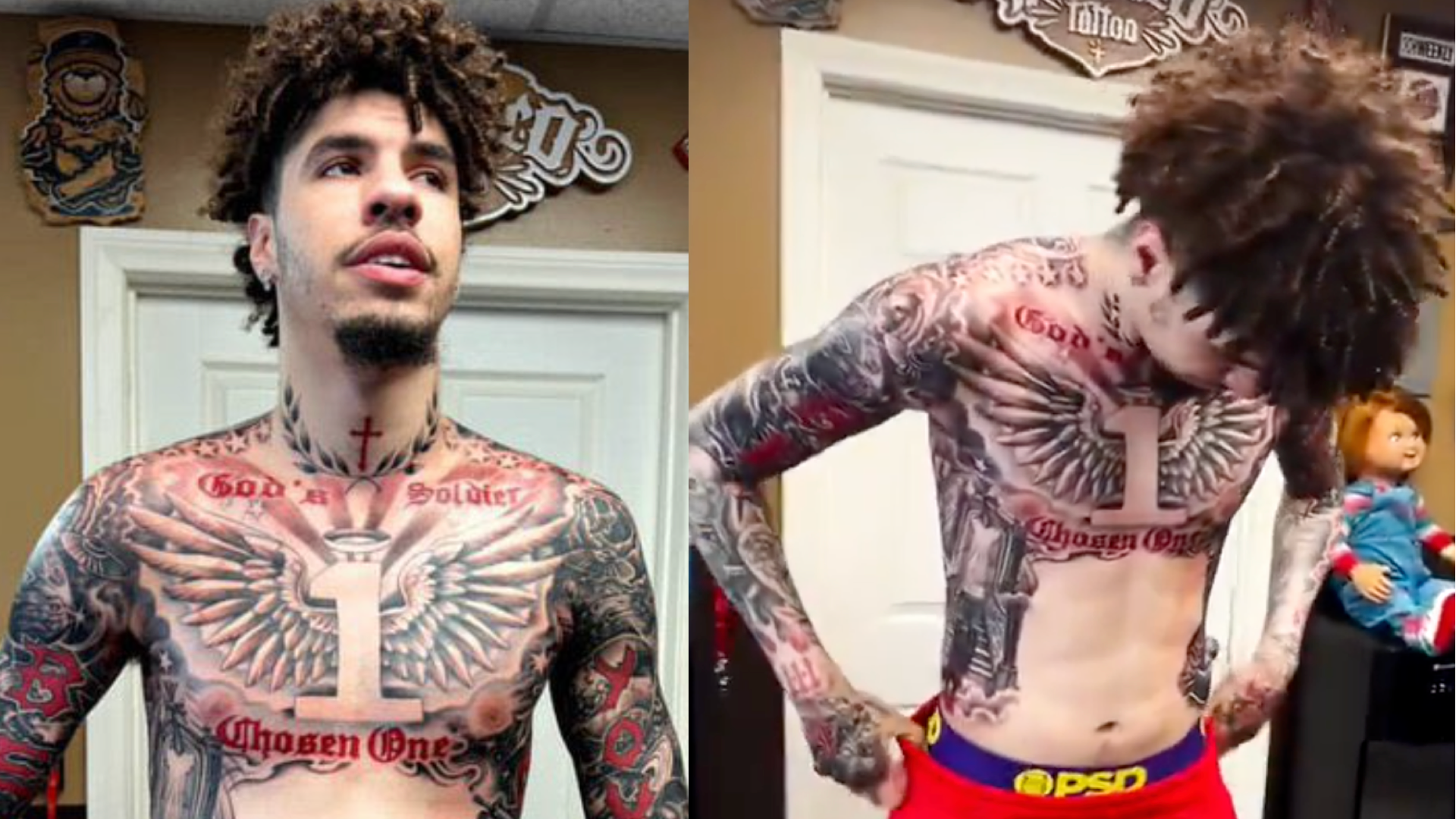
The central number is not a vague decorative mark. It connects the chest to the number Ball wears on the court, while the wings make the design read as a single emblem from a distance. Up close, the outline, halo and surrounding lettering give it a much busier structure. That contrast is why the image needs to show the whole chest rather than a cropped face photograph.
The most recognisable piece is the large number one centered across Ball’s chest with wings spreading toward both shoulders. The design is bold even in a full-body photograph because the central numeral gives the composition a clear focal point. Complex described the project as a new chest and arm tattoo set and reported that five artists worked on it. That production detail matters: the tattoo is not a tiny isolated mark but a coordinated piece built to cover a broad area of the upper body.
The number also has an obvious public connection to Ball’s basketball identity. He wears number one for the Charlotte Hornets, and photographs repeatedly place the tattoo beside that same number on his uniform or in his public image. That is enough to describe the design as part of his number-one persona. It is not enough to invent a more private explanation for every wing or line. The visual language is clear; the personal symbolism beyond the number is not fully documented.
The chest lettering reads God’s Soldier and Chosen One
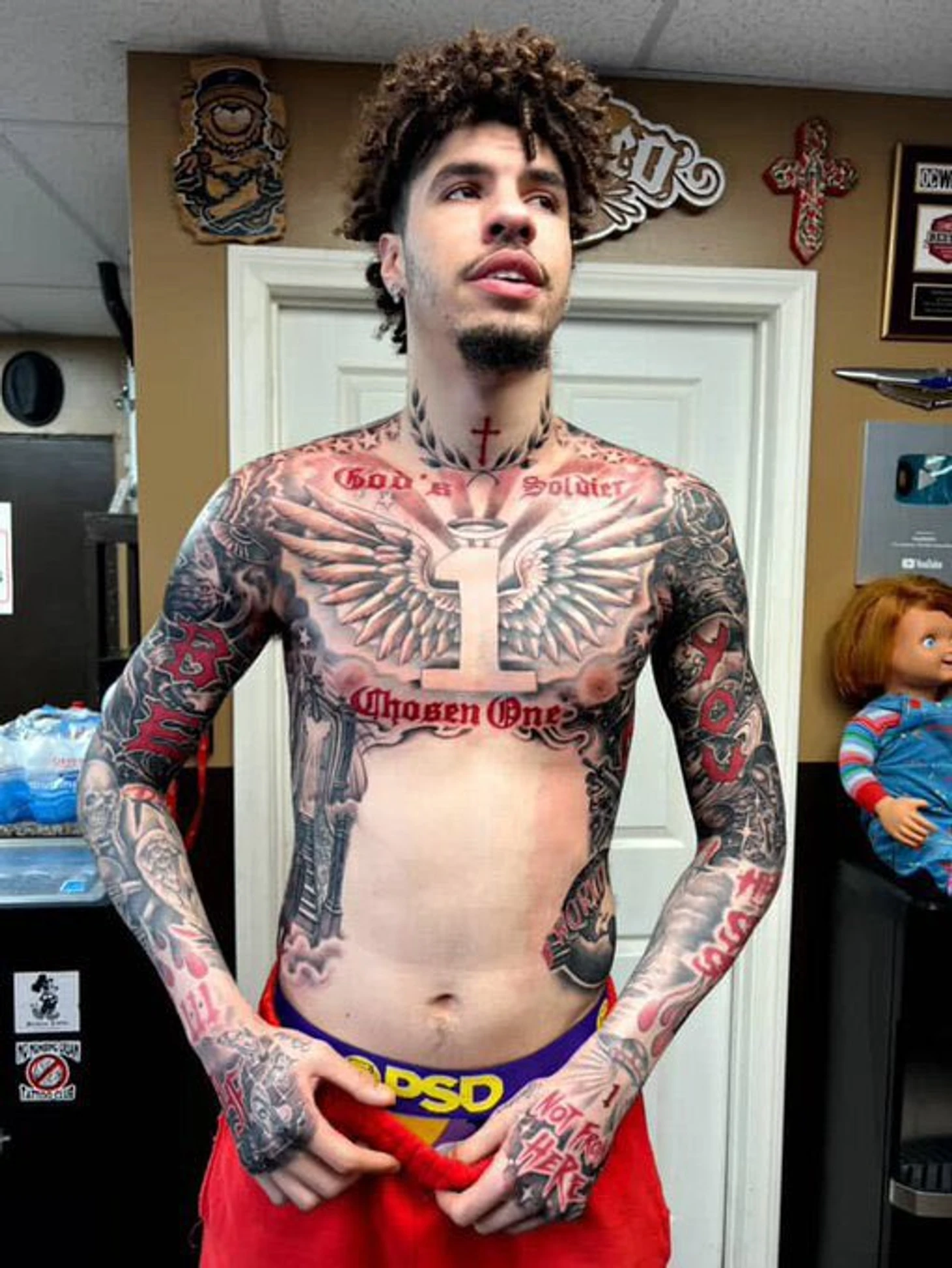
The two phrases sit around the central design and turn the chest into a statement about identity. God’s Soldier supplies the faith language; Chosen One supplies the self-belief. The wording is visible, but the article should not add a private religious explanation that Ball has not given. The useful facts are the exact words, their placement and their relationship to the winged number one.
The lettering gives the chest project a second layer. Sports.ru photographs show red words above and below the winged centerpiece, while Complex identifies the wording as God’s Soldier and Chosen One. The phrases are visually separate from the number, but they work as one composition because they frame the central design and follow the curve of the chest.
Readers should keep the wording exact. It is tempting to turn a phrase like Chosen One into a complete statement about Ball’s faith or self-image, but the available reporting does not supply a full interview explaining those words. The article can say what is visible and what the source reports without pretending that every design has a published backstory. In practical tattoo terms, the red lettering also gives the piece contrast against the darker wing and line work.
Why the lettering is easier to identify than its meaning
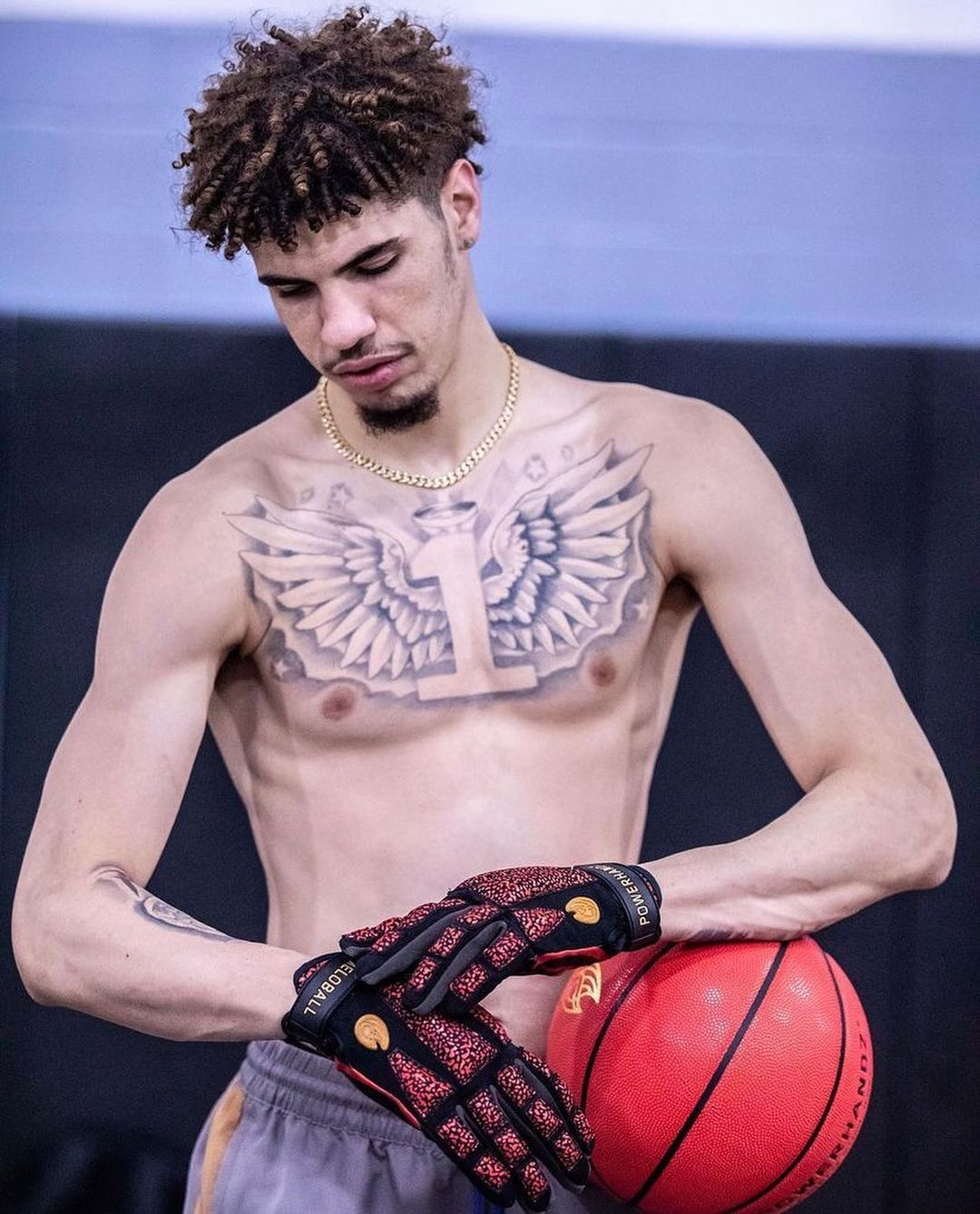
Large words survive photographs better than fine-line details. The red ink is legible in the public reveal, which makes the names secure parts of the inventory. The emotional or religious meaning is less certain. A useful tattoo guide should resist the urge to translate a visible phrase into a biography. Ball’s public style is enough context for the placement and scale; his private intention belongs to him unless he has stated it.
Be and You split the message across the arms
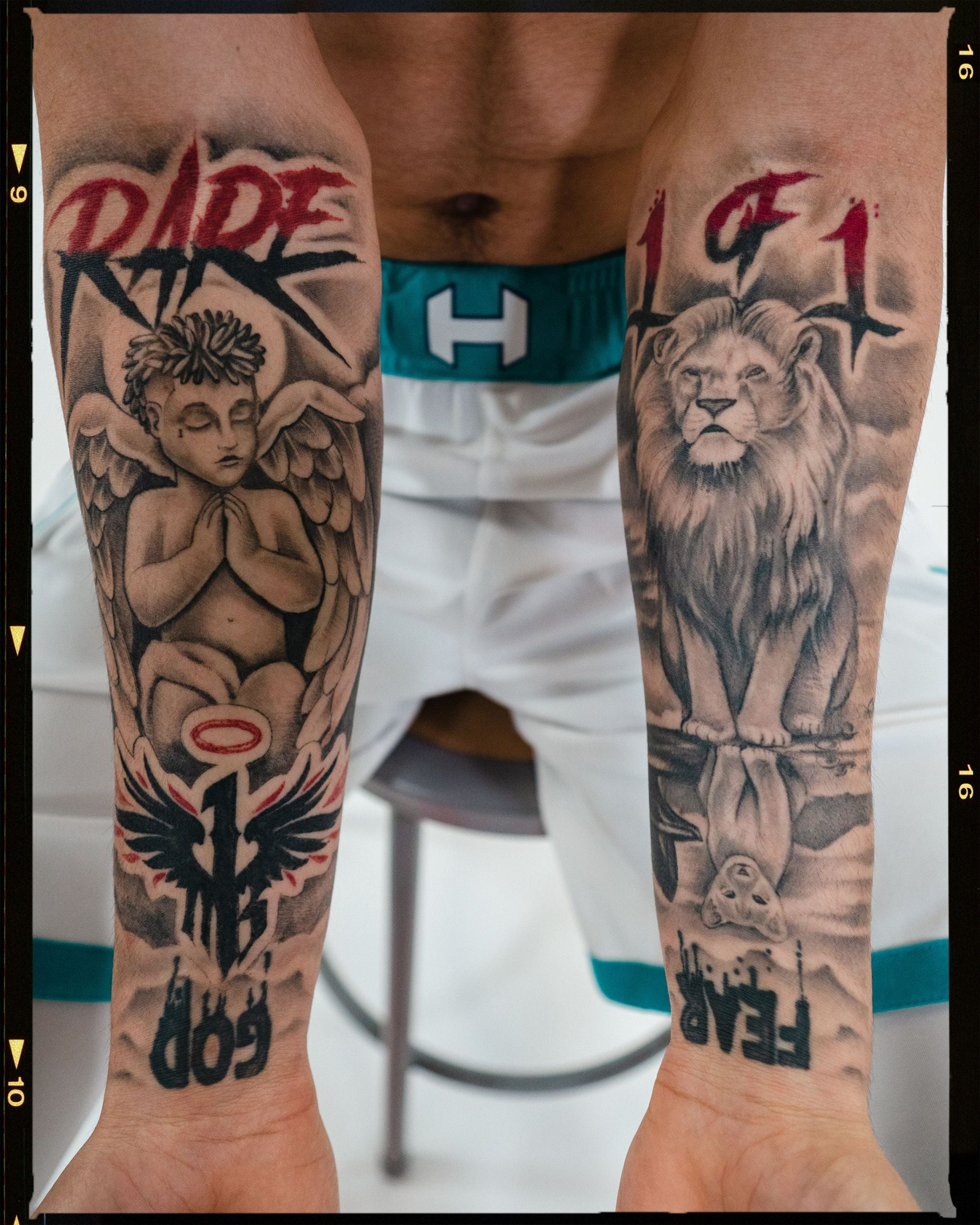
The arm lettering works because the words are separated. Be and You are not one continuous sentence printed on one limb; together they form a short message that only becomes obvious when both arms are shown. That layout also explains why ordinary game photographs can make the collection seem incomplete. A sleeve, jersey or bent elbow can hide one half of the phrase.
Complex also reported the words Be and You on opposite arms. Short lettering can be easy to miss when Ball is wearing a jersey, but the arm photographs show that the project extends beyond the chest. The split wording creates a small visual conversation between the two sides of the body and helps explain why the session involved multiple artists rather than a single small addition.
The safest reading is literal. One arm carries Be and the other carries You as reported in the coverage. The words invite interpretation, but the source does not establish a longer quotation or a specific person being addressed. Their value in the collection is partly graphic: they are short, balanced and designed to be read across both arms. That is a useful observation without turning a two-word tattoo into a made-up life lesson.
Hand and forearm tattoos fill in the smaller details
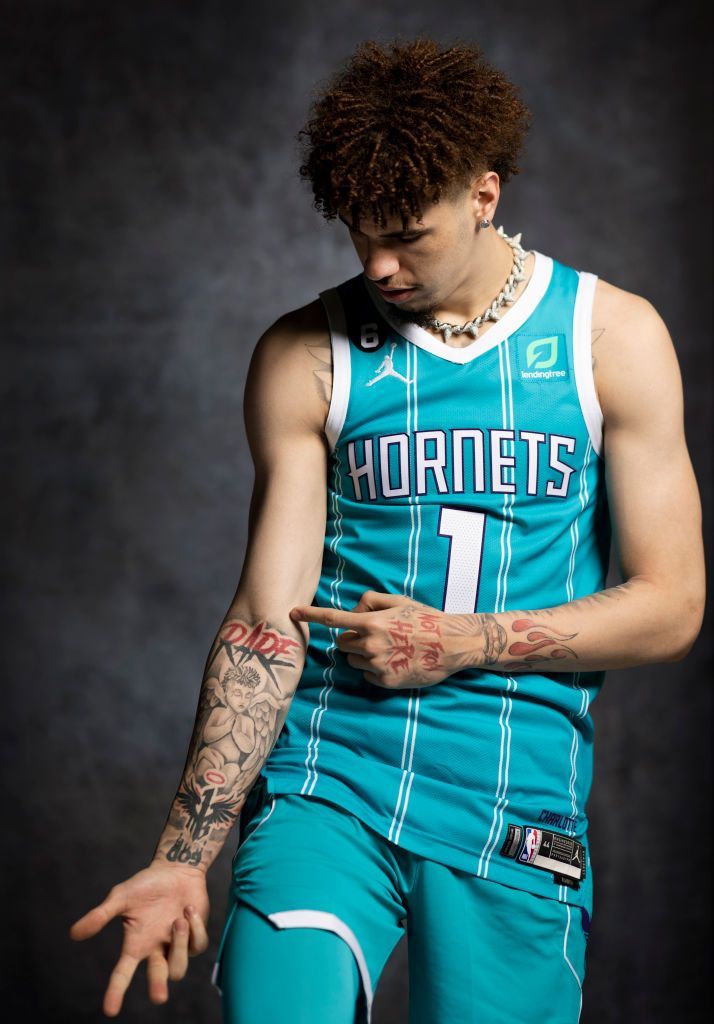
The hands and forearms carry the smaller marks that give the collection its texture. Script, floral shapes and the cherub-like figure sit around the larger chest project, so they reward close photography. The safest descriptions stay with what can be read or clearly seen: a word, a figure, a body location and the date or artist information reported by the source. That is more useful than assigning a meaning to every line.
Ball’s hands and forearms show additional work in public portraits. The smaller designs include script and compact marks that sit outside the dramatic chest composition. A portrait photograph can establish that the areas are tattooed and can show broad placement, but it should not be used to name every symbol when the resolution is poor. This is where the difference between a tattoo inventory and a fan guessing game becomes important.
The hand and forearm work also changes the rhythm of the collection. The chest is a single statement viewed from across a court. The smaller pieces are noticed at close range, especially when Ball points, grips a basketball or raises an arm. They make the collection feel ongoing rather than finished. New ink can be added, covered or photographed under different light, so dates and wording should be tied to the specific public image rather than treated as permanent measurements.
What the photographs can and cannot prove:
The available photographs prove that Ball has visible work on the hands and forearms and that the newer project reaches down the arms. They do not automatically prove the meaning, artist or exact date of every smaller tattoo. The Complex report is stronger for the names and wording of the 2025 pieces. The public portraits are stronger for visual placement. Keeping those evidence types separate makes the guide more useful to anyone studying the designs or looking for a similar layout.
How the collection fits Ball’s public style:
Ball’s tattoos are deliberately hard to ignore. The winged number one connects the chest to his jersey identity, while the red words create a graphic frame that can be read in a photograph. The arm lettering and smaller hand work continue that preference for visible statements. His hair, clothes and jewelry often change, but the ink gives the public image a fixed visual anchor.
That does not mean every tattoo should be treated as branding. The collection is still personal body art, and published coverage is incomplete. The best-supported account is therefore a layered one: the chest project, its named phrases, the two arm words and the visible hand and forearm work. Beyond that, the photographs should be allowed to remain photographs rather than forced into a catalogue of invented meanings.
LaMelo Ball’s tattoos are most interesting when read as a growing composition. The winged number one supplies the center. God’s Soldier and Chosen One add readable language. Be and You carry the project out to the arms, while the older hand and forearm marks fill the spaces a wide chest piece cannot reach. The evidence supports a detailed guide, but it also supports restraint: describe the designs clearly, name the documented source, and leave unconfirmed meanings open.
The smaller marks matter for the same reason. They give the larger chest work a timeline and show how the collection spreads from one statement piece into lettering, numbers and short phrases. A close photograph can establish the design, while the dated source explains when it appeared. Keeping those jobs separate makes the tattoo map clearer and avoids pretending that every symbol has a confirmed private meaning.