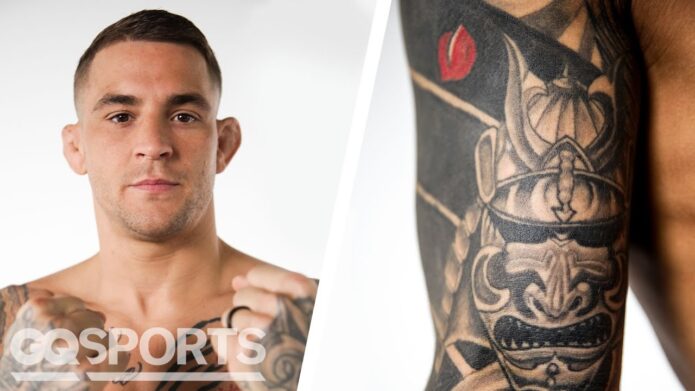
Dustin Poirier’s tattoos look like they were built the same way his fighting career was: one hard lesson, one memory, and one decision at a time. He started getting ink young, picked up a few questionable pieces, then eventually found better artists and gave the collection more shape. The result is a mix of Louisiana pride, family names, tiger stripes, old-school lettering, and smaller tattoos that still have their own stories.
In his GQ tattoo tour, Poirier is pretty relaxed about the whole thing. He doesn’t pretend every early design was perfect, and he’s happy to laugh at the choices that came before his mother took him to a proper tattoo shop. That honesty makes the collection more interesting than a perfectly polished sleeve.
The tiger stripes are the tattoos everyone notices first

The bold tiger-stripe work across Poirier’s chest and side is the centrepiece of his collection. It’s the first thing that jumps out in most shirtless photos, and it gives the rest of his tattoos something to work around. The stripes have a rough, aggressive look that fits a fighter, but they also feel connected to traditional tattoo design rather than being a random piece of fight branding.
That matters because the tiger work has become part of Poirier’s visual identity. Fans recognise it in weigh-in photos and training shots. It’s not a tiny hidden tattoo with a private meaning; it’s a big, confident part of the way he presents himself.
Parker Noelle sits right over his heart
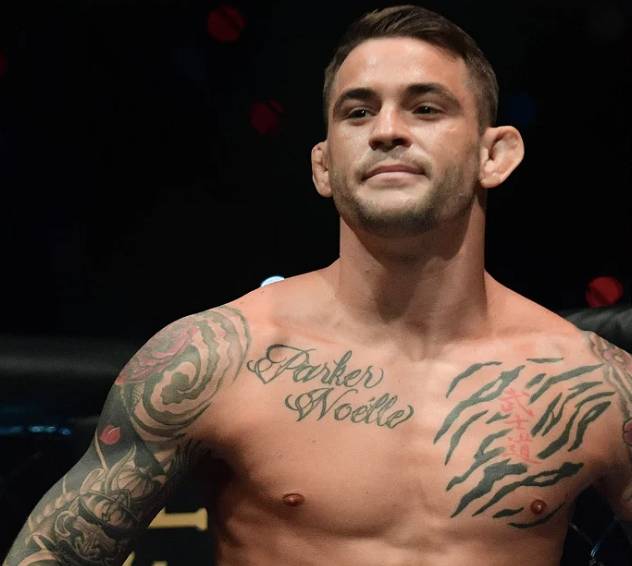
Across the upper chest, Poirier has the name Parker Noelle, his daughter’s name. The placement gives the tattoo a straightforward emotional pull. It’s close to the heart, easy to see, and much more personal than a generic design.
This is one of those tattoos where the meaning doesn’t need much decoding. Names can be simple, but they’re also one of the hardest things to get wrong because they carry a real person’s identity. For Poirier, the piece anchors the louder tiger work with something calm and family-focused.
His first tattoo came before the professional advice

Poirier got his first “street tat” at 14. He has described that early period as part of the local culture in Louisiana, where young guys sometimes got tattooed before they really understood how permanent the decision was.
Eventually, his mother took him to a real tattoo shop. That change is a funny but important part of the story. The early tattoo marks the impulsive stage, while the later work shows him becoming more selective about artists and design. Most tattoo collections have a before and after like that. Poirier is just unusually open about it.
Louisiana shows up in the smaller details
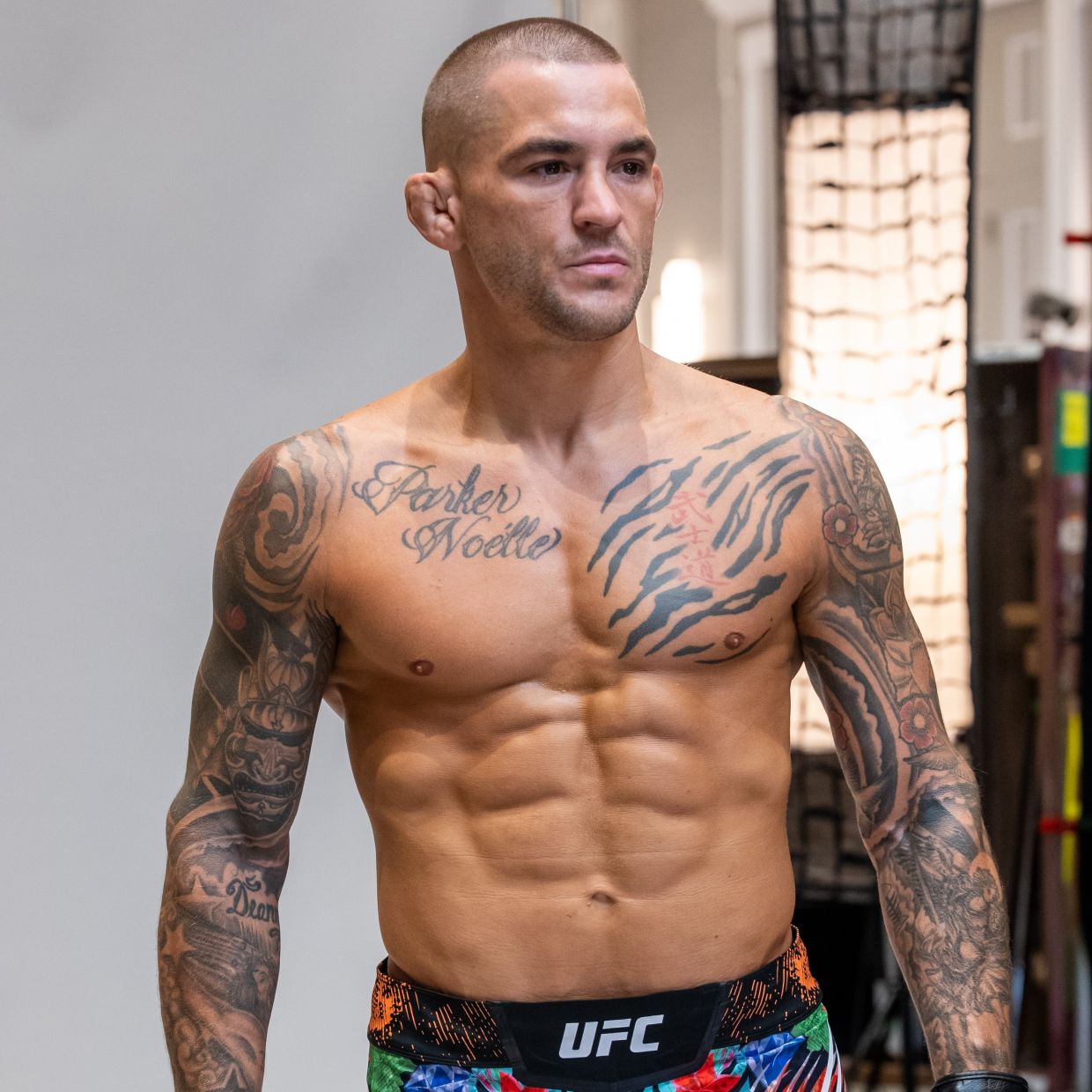
Poirier is from Lafayette, Louisiana, and some of his tattoos carry that connection through flowers, lettering, and regional references. Magnolia imagery is especially fitting because the magnolia is Louisiana’s state flower. Those pieces soften the heavier chest work and keep his hometown in the picture.
It’s a good example of how a tattoo can say where somebody is from without spelling out the name of a city. The design does the job quietly. You can see the fighter image in the tiger stripes, but the smaller Louisiana details show the person underneath it.
Family and fighting sit next to each other
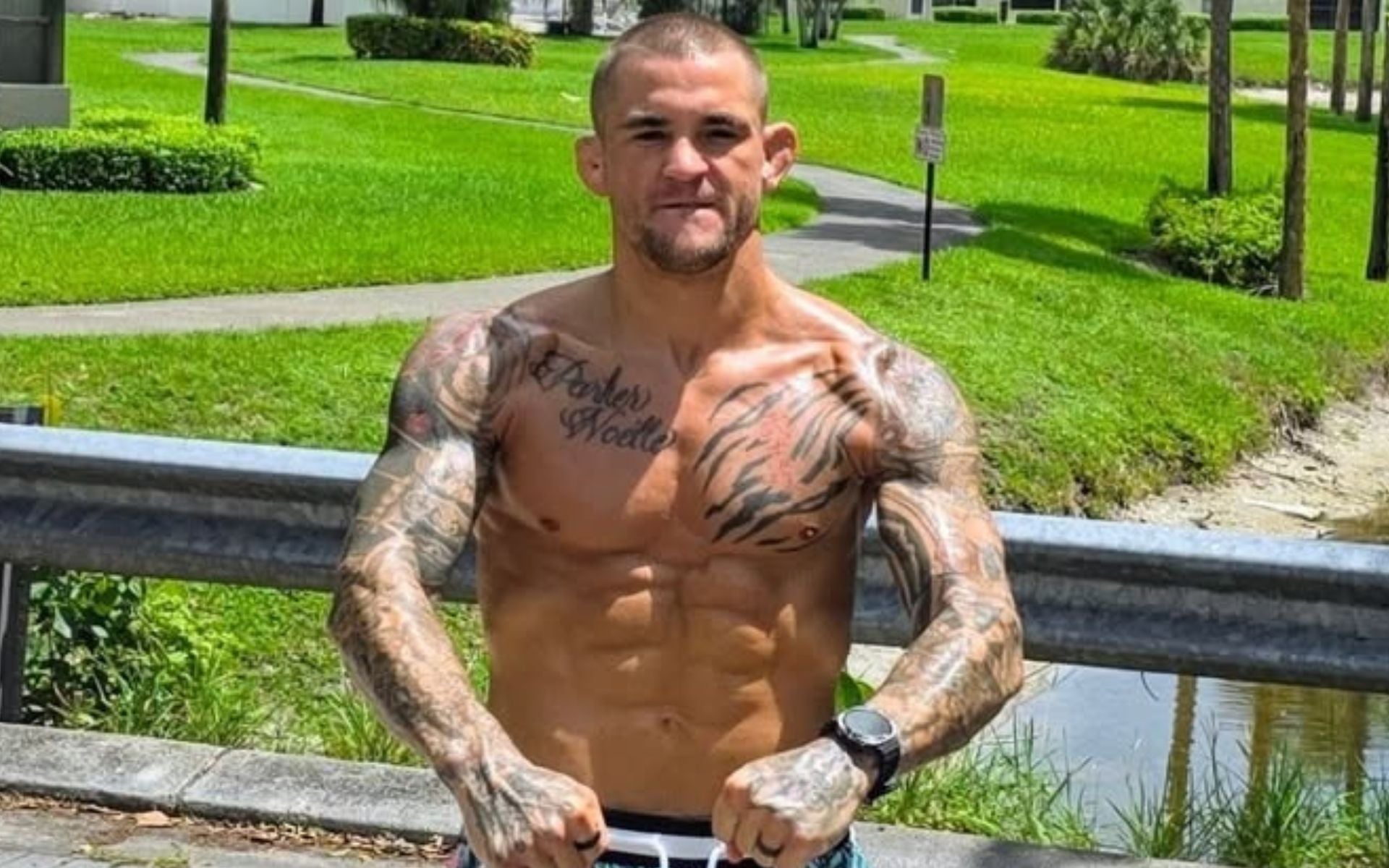
Poirier’s ink has an interesting balance between home life and combat. There are tattoos connected to his daughter, his wife, and his Louisiana roots, then there are the bigger pieces that look tougher and more aggressive. Neither side completely takes over.
That balance feels natural for someone whose life has always had both parts. Fighting is his job, but family is the thing that gives the job context. The tattoos don’t turn him into a cartoon fighter. They show somebody carrying a lot of different identities at once.
The smaller tattoos tell you how the collection grew
Alongside the tiger stripes and chest lettering, Poirier has smaller pieces spread across his arms and body. Some are hard to identify from a distance, but that’s part of the charm. They fill the gaps and show how the collection developed between major tattoo sessions.
He has talked about getting several designs over the years, sometimes because he liked the image and sometimes because it connected to a particular moment. That’s why the tattoos don’t all share one style. They’re a running record rather than a single project planned from scratch.
Why the old tattoos still matter
Poirier’s early pieces might not be the ones he would choose today, but they still belong in the story. A cover-up can hide an old design, but it doesn’t erase the reason it was there in the first place. His tattoo collection shows the difference between being fourteen and being an experienced professional with more control over the process.
There’s something refreshing about that. A lot of celebrity tattoo coverage focuses only on the newest, sharpest work. Poirier’s collection is more honest because it includes the rough beginnings, the improvements, and the pieces that became landmarks along the way.
What Dustin Poirier’s tattoos say about him
The short version is that Poirier’s tattoos are personal without being overly precious. The tiger stripes give him a bold centrepiece. Parker Noelle keeps his daughter close. Louisiana references point back home, while the smaller pieces fill in the years between.
He also understands that tattoos are allowed to be a little messy. The collection doesn’t need every piece to match because his life hasn’t been one straight line. It’s been a long run through local gyms, hard fights, family milestones, and the kind of changes that make old ink look different over time.
That mix is what makes the collection work. It feels like Dustin Poirier, not like a tattoo catalogue put together for a photo shoot.
Watch Dustin Poirier break down his tattoos
There’s also a practical reason the chest piece works so well in photos. The tiger stripes create a strong shape across the upper body, while the name above the heart gives the eye somewhere more personal to land. The contrast keeps the design from becoming one big block of black ink.
That kind of contrast shows up across the collection. Poirier has pieces that are loud and instantly readable, then smaller details that reward a closer look. It’s the same difference you see between a fight poster and a family photo. One is built to grab attention, and the other is meant to hold onto something.
The tattoos also reflect the way Poirier talks about his career. He doesn’t sound like somebody trying to invent a perfect origin story. He remembers being young, getting a street tattoo, and later learning that a proper artist could make a huge difference. That makes the collection feel grounded.
For tattoo fans, his story is a useful reminder that a big design doesn’t have to explain everything by itself. The tiger stripes are striking, but the smaller family and Louisiana references give them more weight. Without those details, the collection would just look tough. With them, it feels lived in.
Poirier’s ink will probably keep changing as his life does. Whether he adds another major piece or leaves the work alone, the tattoos already cover the important chapters: where he came from, who he loves, and how he built a career that demanded a lot from him.
There is also something pretty normal about the way the collection has grown. Dustin has spent years in gyms, locker rooms, fight camps, airports, and Louisiana hangouts, so the tattoos are tied to real parts of his life rather than one carefully planned look. Some pieces are easy to spot in a fight photo. Others only show up when he turns his shoulder or pulls a shirt up. That makes the collection feel lived in.
The older work matters because it shows where he came from. A tattoo done at fourteen says something different from a chest piece added after a UFC career, a marriage, or becoming a dad. The designs don’t all have to match perfectly. In fact, the rough edges and changing styles are part of the story. They show a teenager making quick choices, then an adult adding meaning around them.
His daughter’s name is the clearest example of the difference. Parker Noelle isn’t just another bit of lettering in the middle of a busy collection. It’s a family marker, and it gives the rest of the ink a softer centre. The tiger stripes and darker pieces bring attitude, while the name brings the reason he keeps the whole thing close.
That balance fits Dustin’s public personality. He can talk about hard fights and bad decisions without trying to make himself sound polished. The tattoos work the same way. There’s pride in them, but there’s also room for the fact that a few early choices might not be the ones he’d make today. That honesty is a lot more interesting than pretending every piece arrived with a perfect explanation.
So if you’re looking at Dustin Poirier’s tattoos for design ideas, the useful takeaway probably isn’t to copy one exact piece. It’s to notice how the collection mixes bold shapes, family lettering, hometown feeling, and older rougher work. The strongest tattoos are the ones connected to something he actually cares about. That’s what keeps the ink from feeling like decoration.