
Carlos Alcaraz doesn’t have the sort of tattoo collection that covers every inch of his body. What he does have is more interesting: a small, growing set of pieces tied closely to the biggest moments in his tennis life and the people who helped shape him. The clearest example is the CCC tattoo on his left wrist, shorthand for cabeza, corazón y cojones head, heart and guts a motto passed down through his family.
Since then, Grand Slam wins have started to leave their own marks. His tattoos have become a quiet record of milestones, with dates, symbols and new designs appearing after major victories. In 2025 and 2026, the conversation around his ink moved on from the original wrist piece to a series of victory tattoos, including a kangaroo design connected to his Australian Open win.
That makes Alcaraz’s ink easy to follow. It is not random decoration, and it is not a giant sleeve built for show. Each piece has a job: remember a title, honour a family idea or hold on to a moment that went by very quickly on court.
The Three Cs on his wrist

The tattoo most often associated with Alcaraz is the Three Cs, usually written as “CCC.” The letters stand for cabeza, corazón, cojones, which translates roughly as head, heart and guts. It is a Spanish phrase about bringing intelligence, feeling and courage to a difficult job. For a tennis player, the meaning is pretty direct: you need to think clearly, care about the contest and stay brave when the match gets tight.
Alcaraz has also linked the words to his grandfather, which gives the wrist tattoo more weight than a simple motivational slogan. A wrist is a practical placement because he sees it constantly. It sits in his eyeline during warm-ups, changeovers and the small pauses between points. The piece works almost like a private reminder that happens to be visible in photographs.
There is something very relaxed about the design, too. It is not a huge piece competing with his kit or his racket. The letters are compact, readable and personal. It feels like advice from home carried into a very public career.
Dates that turn wins into keepsakes
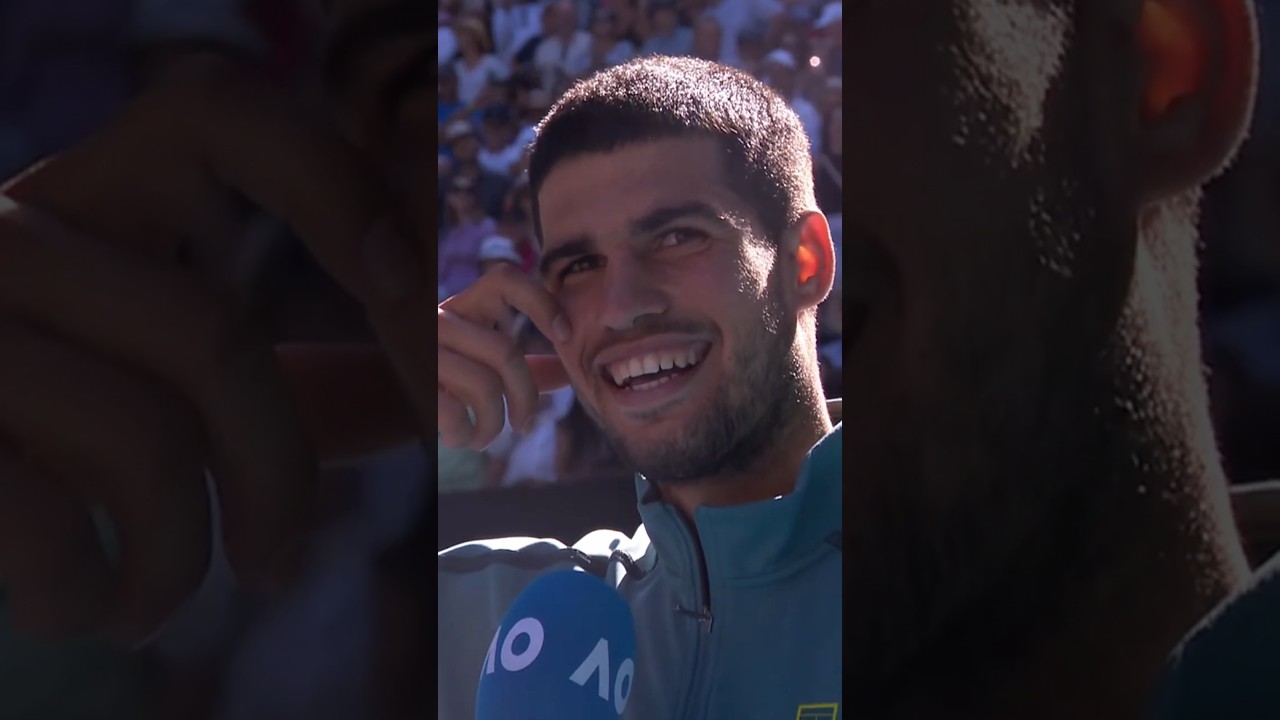
Alcaraz’s later tattoos are often discussed through the dates attached to them. Grand Slam wins can blur together when a player is travelling, training and moving straight on to the next tournament. A date fixes the memory. Instead of simply saying he won a tournament, the tattoo lets him carry the exact achievement forward.
Close-up footage and social posts have shown small pieces with numbers and dates connected to major moments. Some are easy to read, while others are partly hidden by clothing or the angle of the shot. That is why it is better to describe the documented designs carefully than to turn every blurry number into a definite claim.
The pattern is clear even when every detail is not: Alcaraz uses ink as a scoreboard for his own career. The tattoos are less about collecting designs and more about marking the wins that changed how he saw himself. That approach also explains why his collection can grow quickly after a breakthrough season without looking careless.
The US Open tattoo and a new chapter
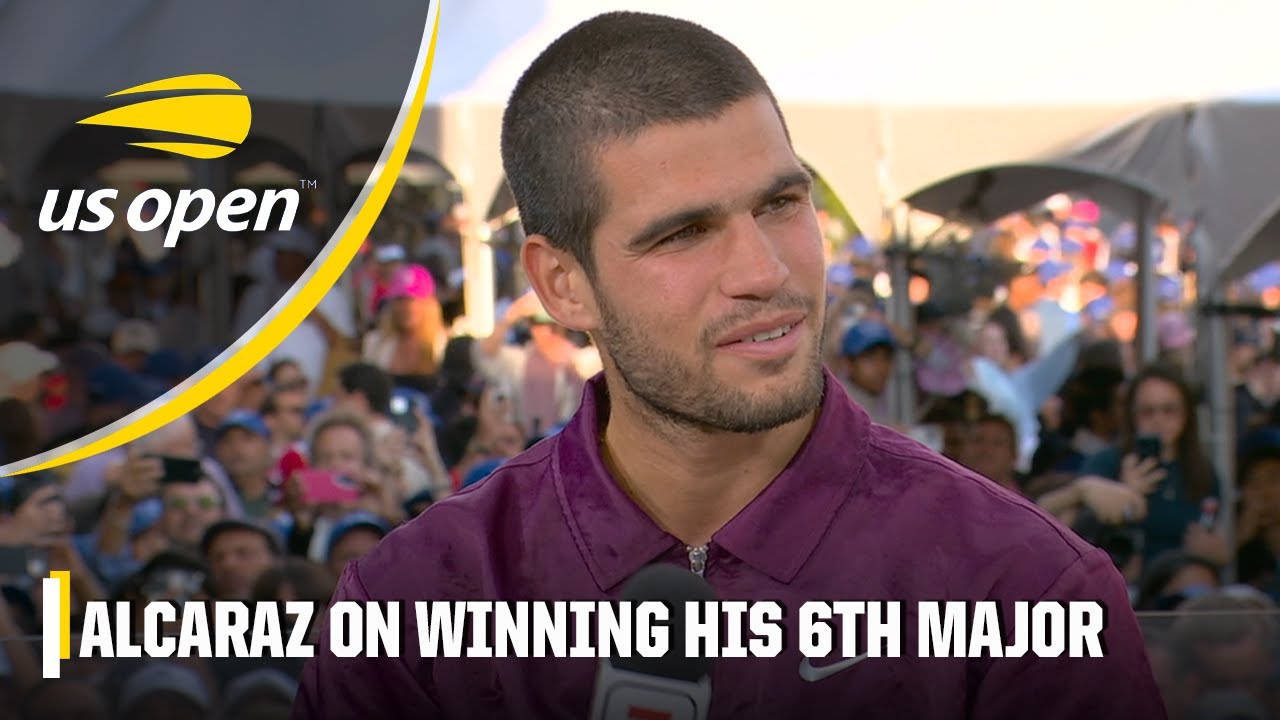
After his US Open success, Alcaraz spoke about new ink connected to that victory. The exact design has been shown in different glimpses, but the important part is the timing. It was not a tattoo chosen years earlier and given a convenient explanation later. It arrived as a way to hold on to a very specific tournament and the feeling around it.
For a young athlete, that is a natural use of tattoos. The first major title changes your life overnight, but the noise eventually moves on. A date or small symbol gives the moment a permanent place in the story. The tattoo becomes a little private receipt for the work that happened before the trophy photo.
It also fits the way Alcaraz talks about his career. He is usually open about the people around him and the emotional side of competing. His ink does not read like a brand campaign. It reads like a running list of things he does not want to forget.
Why the kangaroo matters to him

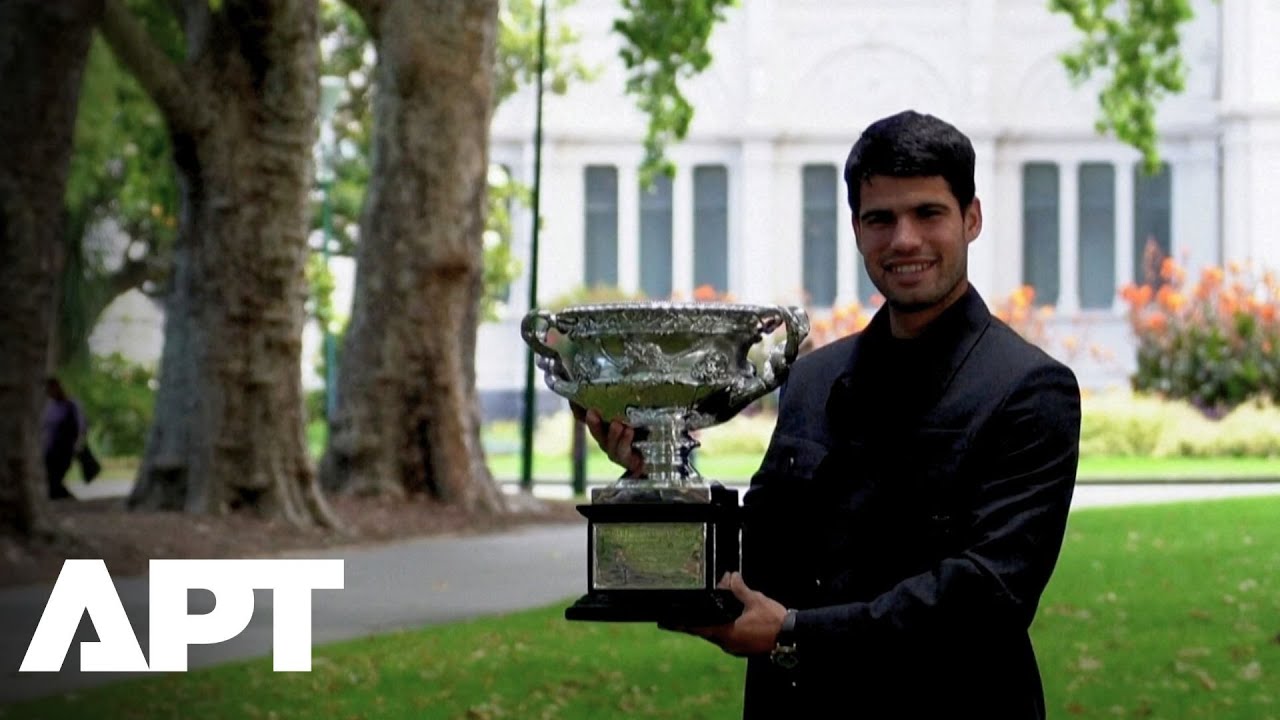
The most talked-about new design is the kangaroo tattoo planned after his Australian Open victory. Alcaraz said he already knew the animal he wanted before deciding exactly where to put it. That detail makes the idea feel very him: playful on the surface, but still tied to a huge professional achievement.
The kangaroo is an obvious nod to Australia, yet the design is not just a tourist souvenir. It represents a tournament he had worked toward and a win that deserved its own place in the collection. A kangaroo also has a lively, slightly cheeky energy, which suits the way Alcaraz celebrates when a match finally swings his way.
In early 2026 coverage, the proposed piece was described as a way to commemorate the Australian Open. Later images showed the new design becoming real. That gives the tattoo a useful timeline: the promise came first, the win supplied the reason, and the finished ink followed once the moment had settled.
Small pieces with big context
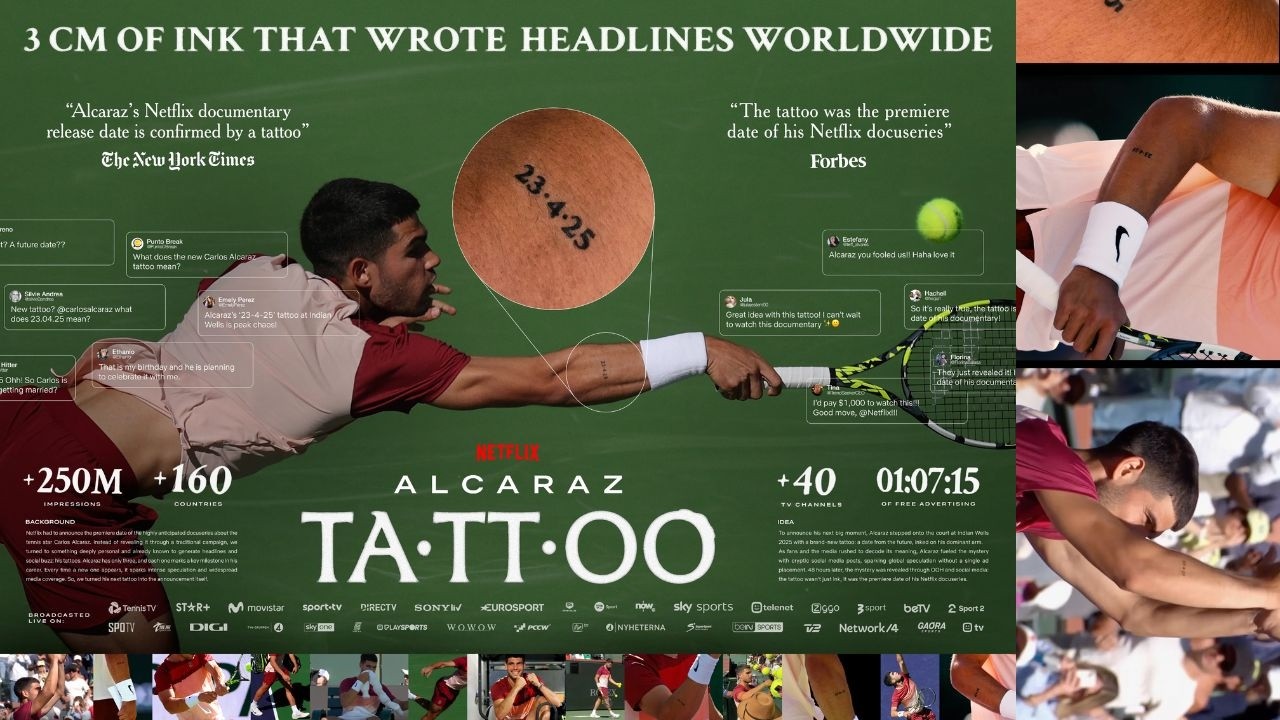
Alcaraz’s collection is a good reminder that a tattoo does not need to be massive to matter. A small mark can carry a full season behind it. The wrist letters connect him to his grandfather. The dated pieces connect him to particular titles. The kangaroo connects a player to a country, a tournament and a promise he made after winning.
That context is why photographs of the tattoos get attention even when the designs themselves are simple. Fans are not only trying to copy a shape. They want to know what the tattoo remembers. In Alcaraz’s case, the answer is usually a person, a win or a moment when his career moved up another level.
There is also a useful contrast between the permanence of the ink and the speed of tennis. A point can last a few seconds. A final can be decided in a couple of hours. The tattoo slows the memory down and gives it somewhere to live after the travelling, press conferences and next tournament have taken over.
What the tattoos say about his personality
Nothing about Alcaraz’s visible ink suggests that he is chasing a shock factor. The designs are connected to things he can explain without reaching for a dramatic story. That is especially clear with the Three Cs. It is a family phrase, a piece of advice and a practical reminder all at once.
His newer tattoos show a player who is comfortable celebrating success while still looking ahead. A Grand Slam design does not mean the journey is finished. It means that one part of the journey mattered enough to record. He is building a career scrapbook, only the pages are on his skin.
That balance matters. Tattoos can be emotional without being overly serious, and they can be personal without being hidden. Alcaraz’s collection lives in that middle ground. The designs are visible enough for fans to notice, but the explanations keep bringing the focus back to family, effort and memorable wins.
How the collection could grow

If Alcaraz keeps tying tattoos to Grand Slam milestones, the collection could become a map of his career. More titles would mean more dates, animals, symbols or small references to the places where the biggest wins happened. That does not necessarily mean he will turn his arms into a full patchwork sleeve. His current choices suggest he prefers pieces with room to breathe.
The challenge will be keeping the meaning clear as the number of tattoos grows. The Three Cs work because everyone understands the story behind them. The Australian Open kangaroo works because the connection is immediate. Future pieces will be strongest when they keep that same link between design and memory.
For now, the collection remains fairly easy to read. There is a family motto, a series of victory markers and a new animal linked to a major Australian title. That is enough to make his tattoos worth following without pretending every glimpse reveals a secret masterpiece.
The bottom line on Carlos Alcaraz’s ink
Carlos Alcaraz’s tattoos are not a random pile of designs. They form a loose timeline of the person behind the tennis results. The Three Cs point back to his grandfather and the values he grew up with. Dates and symbols preserve the milestones that moved his career forward. The kangaroo brings the story into a new era, linking a fresh Grand Slam memory to the place where it happened.
What makes the collection appealing is the honesty of it. Some pieces celebrate success. Some are reminders. None need a huge explanation to work. They are small marks carrying very loud memories. As Alcaraz’s career develops, the tattoos will probably keep changing with it, one meaningful win at a time.
One thought on “Carlos Alcaraz’s Tattoos Keep Score of His Biggest Wins”