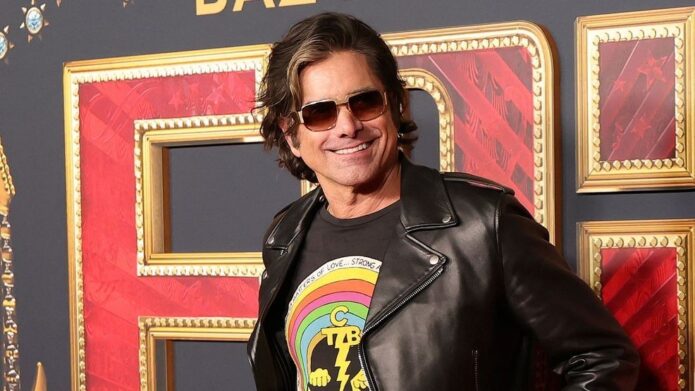
John Stamos waited until he was 62 to get his first tattoo, then immediately made the decision feel much bigger than a standard piece of celebrity ink. The design is a Native American figure on horseback, looking upward, and it takes up a serious amount of space on his upper right arm.
That timing is part of the story. Stamos had spent decades on television, stage and tour buses without a tattoo becoming part of his public image. When he finally chose one, he did not go for a tiny symbol hidden near the wrist. He picked a large image with a clear connection to music, freedom and the direction he wants his life to take next.
This is currently the only publicly documented tattoo in his collection. That makes the details unusually easy to separate from rumour. There is no long list to pad out and no reason to pretend the piece is one part of a secret sleeve. Stamos got one major tattoo, explained why, and showed the process as it happened.
John Stamos’s first tattoo is a Native American on horseback
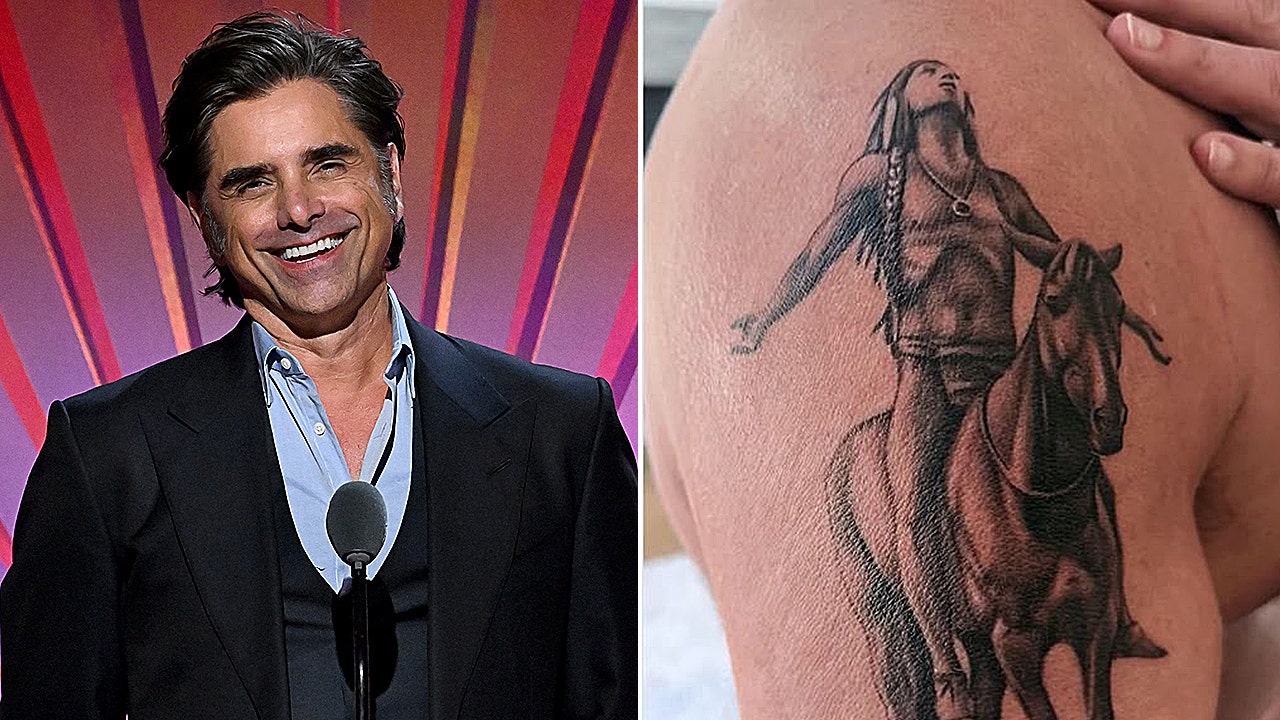
The design shows a Native American rider on horseback, with the figure looking skyward. It is rendered as a large, detailed image rather than a simple outline. In the photographs from the appointment, the tattoo sits on the upper arm and reaches across a broad patch of skin, which is why the reveal surprised people who expected a small first piece.
The image has a traditional, almost monumental feeling. The rider and horse are shown in profile, with the figure’s arms lifted and the horse moving forward beneath him. The composition gives the tattoo a sense of motion without needing extra text or symbols around it.
Stamos has not described this as a random image he picked from a flash book. He connected it to “Appeal to the Great Spirit,” the well-known work used by the Beach Boys over the Brother Records logo. That link gives the image a second identity. It is both a historical-looking figure and a personal reference to a band that has been part of Stamos’s life for decades.
The tattoo also works well as a first piece because it has enough scale to carry meaning without a caption. Even in a process photograph, before every detail is finished, the basic silhouette is clear. The rider looks upward, the horse creates a strong horizontal line, and the placement gives the whole image room to breathe.
Why Stamos chose to get ink at 62
Stamos described the timing as a decision that finally felt right. He had recently turned 62 and was talking about a new chapter in his career and personal life. Instead of treating the number as a reason to slow down, he framed it as a point where he felt ready to take bigger swings.
That context makes the tattoo different from a first tattoo story built around rebellion or youthful impulse. Stamos did not get the piece because he wanted to shock anyone. He chose it after years of knowing what his public image looked like. The tattoo is less about becoming a different person overnight and more about making an existing change visible.
Waiting this long gives the decision a calm kind of confidence. He had plenty of time to see other people get tattoos, to watch trends come and go, and to decide whether he actually wanted one himself. By the time he sat in the chair, the choice was not based on novelty alone.
There is also something funny about the scale of the reveal. A first tattoo at 62 could have been a tiny star or a discreet date. Instead, Stamos went for an image that covers much of the upper arm. The design says he was not interested in easing into the idea halfway.
The Beach Boys connection gives the image its meaning
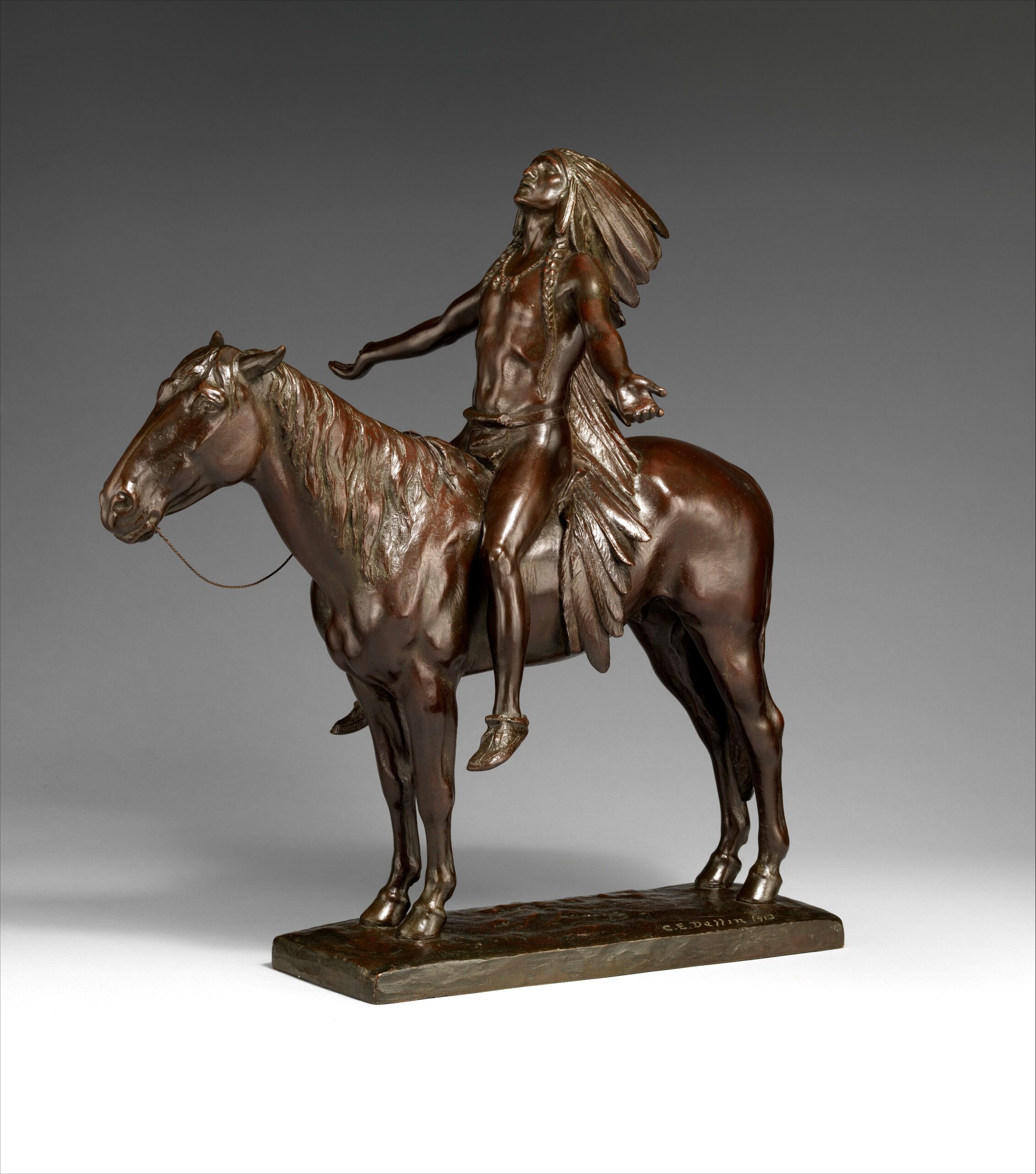
Stamos has a long public connection with the Beach Boys. He has performed with the group and has often talked about the band as a meaningful part of his musical life. His explanation of the tattoo points specifically to the image called “Appeal to the Great Spirit,” which the band placed over Brother Records as a symbol of artistic freedom and trust in a higher creative path.
That is a more specific explanation than simply saying the tattoo represents strength. The figure is not just there because it looks dramatic. Stamos is using the image as a reminder of an idea: stay open, keep moving, and trust where the work leads.
The wording around the tattoo is important too. He said he felt the same pull in his own life and wanted the piece to remind him to “stay brave, stay open, and trust the direction the art is taking me.” That language makes the tattoo sound like a private note that happens to be large enough for everyone else to see.
The piece also connects acting and music. Stamos is best known to many people for television, especially Full House, but the Beach Boys relationship has kept music at the centre of his public story. A tattoo based on that connection folds the different parts of his career together instead of choosing only one.
The process matters as much as the finished design
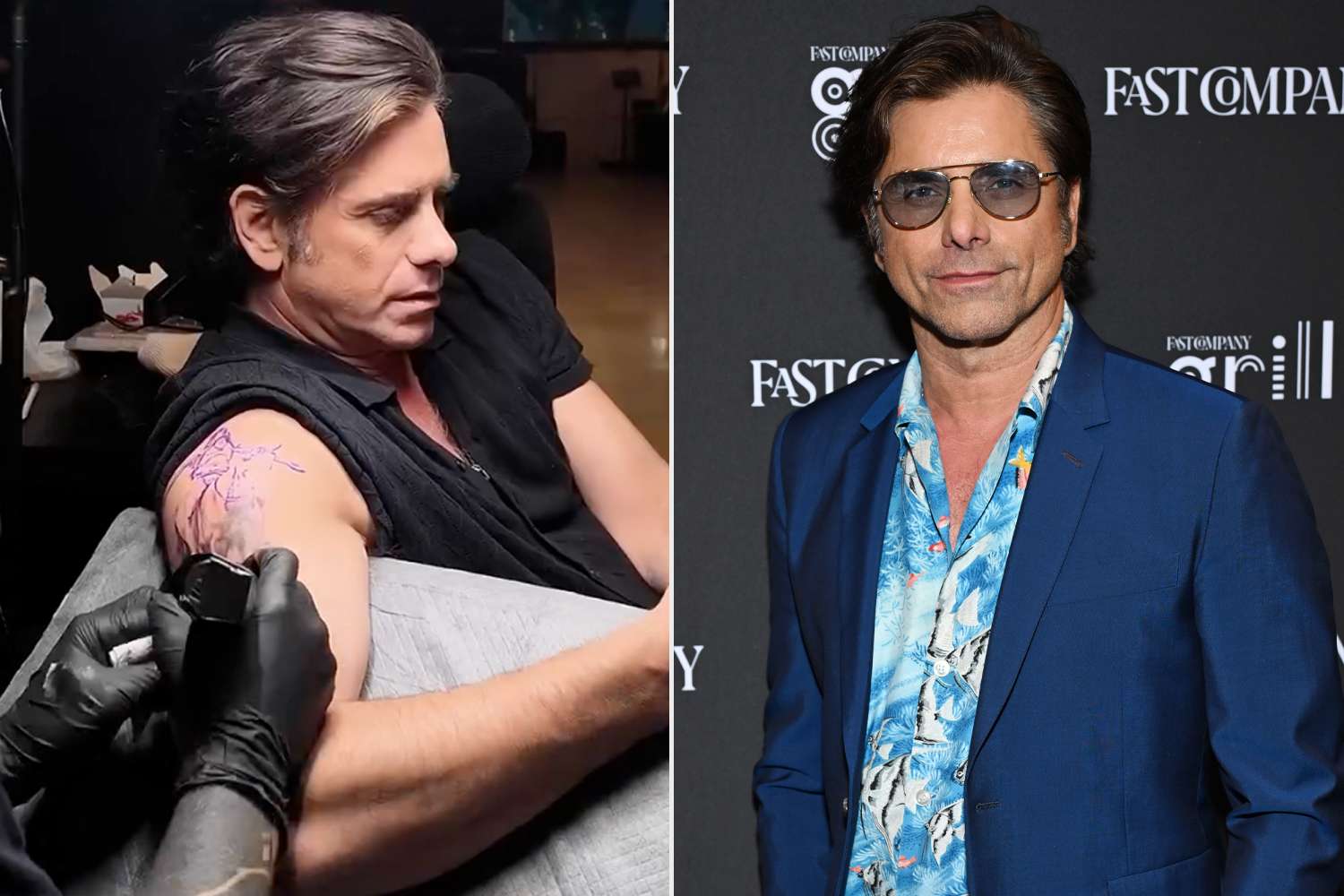
Stamos shared a montage of the tattoo being made, which gives the first piece more context than a simple reveal photo. Viewers can see the early outline, the artist working across the upper arm, and the scale of the design as it takes shape.
That process footage is useful because large tattoos can look almost abstract at the beginning. The first lines do not immediately read as a complete rider and horse. As the shading arrives, the figure becomes easier to recognise. Showing that change makes the final image feel earned rather than instantly produced.
It also makes the appointment feel less like a publicity stunt. Stamos was willing to show the awkward middle stage, when the tattoo was still being built and the skin was being worked over. A polished red-carpet shot hides that part. The montage leaves it in.
For someone getting a first tattoo later in life, that openness matters. The process is a reminder that a big image is a commitment in time as well as meaning. It takes planning, patience and a willingness to live with an unfinished design for a while.
One big tattoo gives him a clear visual starting point
Because Stamos has only one documented tattoo, the piece immediately becomes the centre of his ink story. There are no older designs competing with it and no need to explain how it fits into a sleeve. The upper arm placement leaves room for future work, but the first decision is already strong enough to guide anything that comes after.
That does not mean he is planning a full collection. He has not announced another tattoo, and it would be a mistake to turn one design into a prediction about a future sleeve. The useful point is simply that he chose a placement that can stand alone.
The tattoo looks complete without looking closed off. It has a clear subject, a large enough canvas and a meaning that does not depend on several matching pieces. If Stamos never gets another tattoo, this one still reads as a finished statement. If he does add something later, the upper arm gives him options without forcing a particular direction.
That balance is hard to get right. A first tattoo can be too small to feel satisfying or so ambitious that it leaves no room to grow. Stamos landed somewhere in the middle: one substantial image, but not a full sleeve.
What John Stamos’s first tattoo says about this chapter
Stamos framed the tattoo around bravery, openness and following the work. Those ideas line up with the way he has talked about his life in recent years. He has spoken about family, sobriety and the importance of staying on a healthier path. The tattoo is not a direct memorial to any one person, but it fits the broader idea of choosing a direction and committing to it.
The rider looking upward gives the image a hopeful angle. It is not a skull, a warning or a joke. It is a figure caught in motion, connected to a piece of music history and a belief in taking the next step even when the route is not completely mapped out.
There is no need to make the tattoo more mysterious than Stamos already has. He explained the reference clearly. The appeal is in how straightforward the meaning is: a new piece for a new phase, tied to the art that has mattered to him and placed somewhere he can see it.
That makes the tattoo a good fit for a first-timer. It is personal without being overly private, dramatic without being random, and large without trying to cover his whole body. At 62, Stamos did not need ink to prove he was tough. He used it to mark a decision he had already made about the direction of his life.
For now, John Stamos’s tattoo collection is just one design, but it is a substantial one. The Native American rider, the horse and the upward gaze all point back to the Beach Boys reference and the idea of artistic freedom. The size makes it impossible to miss, while the meaning keeps it from feeling like a late novelty.
If this remains his only tattoo, it will still tell a complete story. He waited until the choice felt right, picked an image with a real connection to his musical life, and treated the appointment as a reminder to keep moving forward. That is a lot to ask from one tattoo, but this one has the scale and the backstory to carry it.
Watch John Stamos get his first tattoo
This verified video report covers Stamos’s first tattoo and the Beach Boys meaning behind the design.