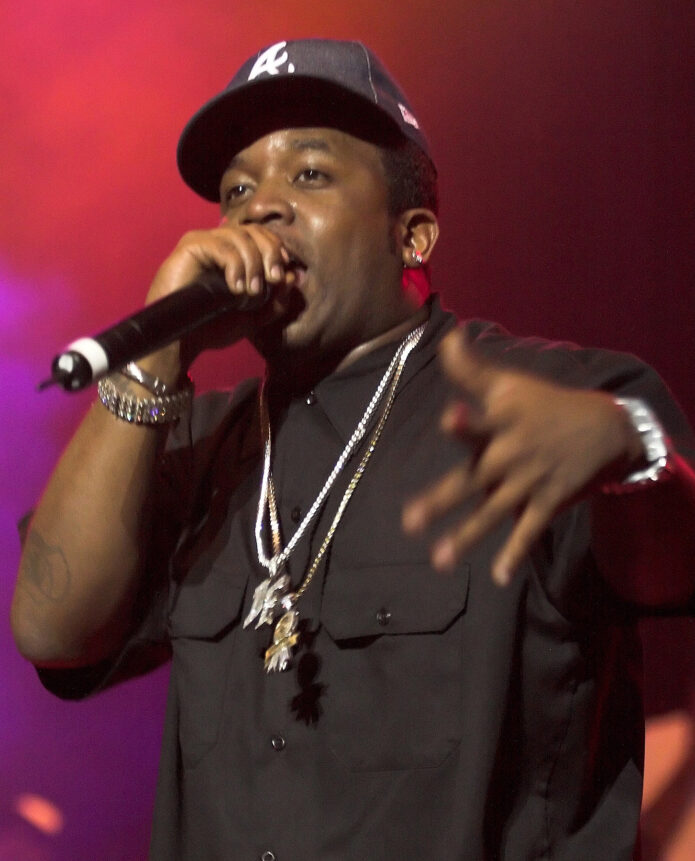
Big Boi has never treated his tattoos like random decoration. A lot of the ink connects back to his name, his Southern roots, OutKast and the Dungeon Family, his family, his faith and a few very personal memories. He has also talked about several of the pieces himself, which makes the story a lot easier to follow than a blurry celebrity tattoo list.
What makes the collection interesting is the mix. There is lettering, a heart banner, a lion, handcuffs, crew-related ink, family names, religious wording, cherubs and a portrait of his first pit bull, Carlito. They don’t all look like they were planned as one giant sleeve, and that’s fine. The tattoos grew alongside his life and career.
The first tattoo was a heart banner built around “Twan”
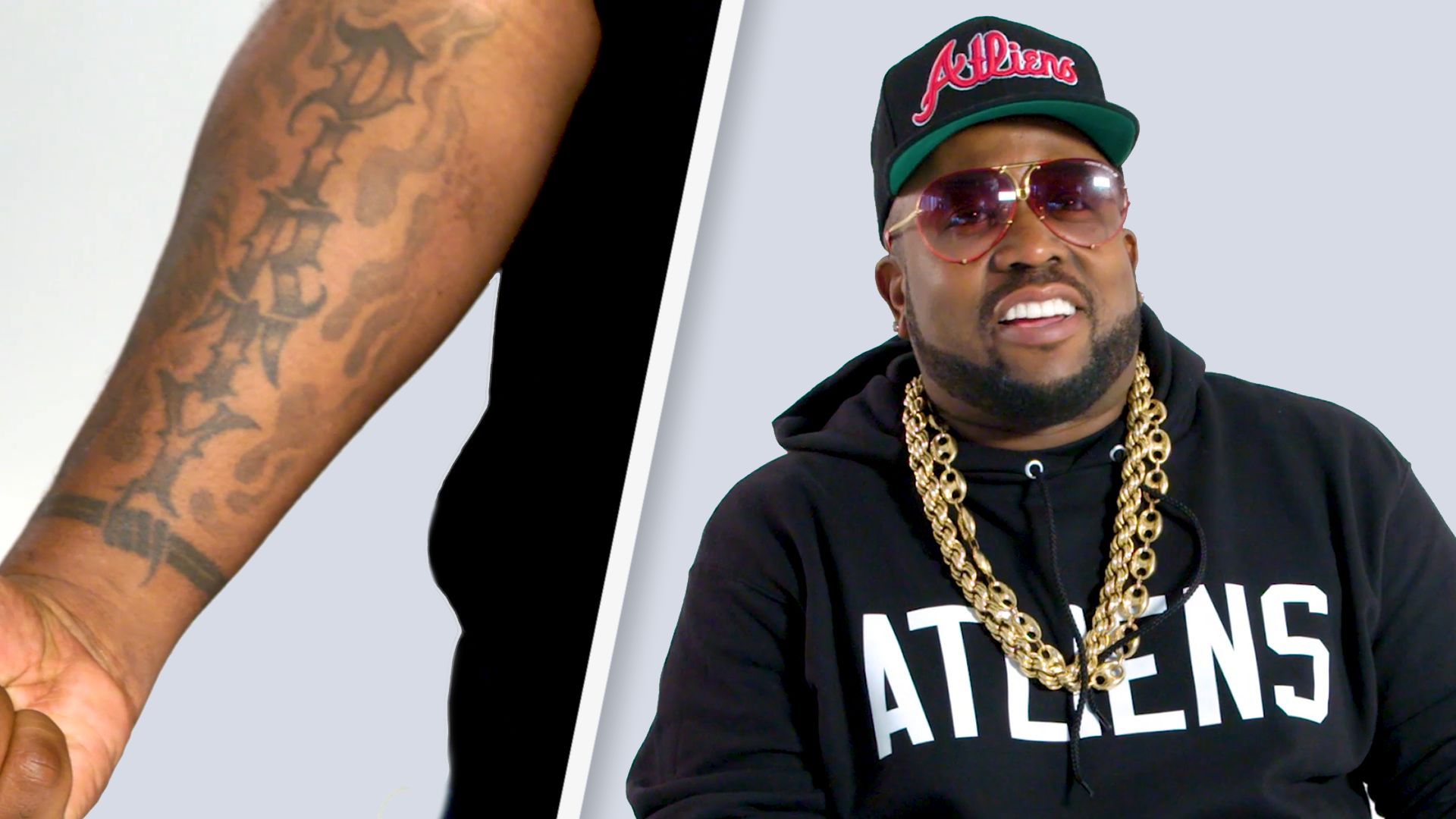
Big Boi has said his first tattoo arrived when he was 17. It’s a heart-and-banner design carrying the name “Twan”, the nickname he used at the time. That detail gives the piece a very different feel from the tattoos he got later, once music had become his full-time world. It started as a personal name tattoo, not as a branding exercise.
The heart banner is easy to recognise because the lettering sits inside a classic tattoo shape. The design has that old-school quality of taking one word and making it the centre of the whole piece. The name is the important part, but the banner gives it a little more weight than plain lettering would have had.
He has also discussed a lion tattoo that followed the first piece. It adds a bolder animal image to the early group and shows how his tattoos moved from a single name toward larger symbols. A lion can invite all kinds of guesses about strength or status, but Big Boi has not needed to attach a huge theory to every design. The useful thing here is the timeline: the heart banner came first, and the lion became part of the next stage.
That early timeline matters because the collection wasn’t created in one polished session. Some of the smaller pieces were already there before the larger body work appeared. In photographs, the designs can look as if they belong to one finished plan, but Big Boi’s own account points to something more natural: he added tattoos as different parts of his identity became important.
The heart banner also helps explain why his tattoos can feel both personal and public. A nickname is private enough to mean something to him, but the placement makes it visible to anyone looking closely. That mix runs through the rest of the collection too. Some pieces talk about his career, some talk about home, and some are simply reminders of people or beliefs he wanted to carry with him.
There’s no need to dress the first tattoo up as a hidden code. “Twan” is the name, the heart is the frame, and the design marks the beginning of the tattoo story. The lion then adds a stronger visual note without wiping out the personal feel of the original piece.
Southern pride and the Dungeon Family sit close to the music
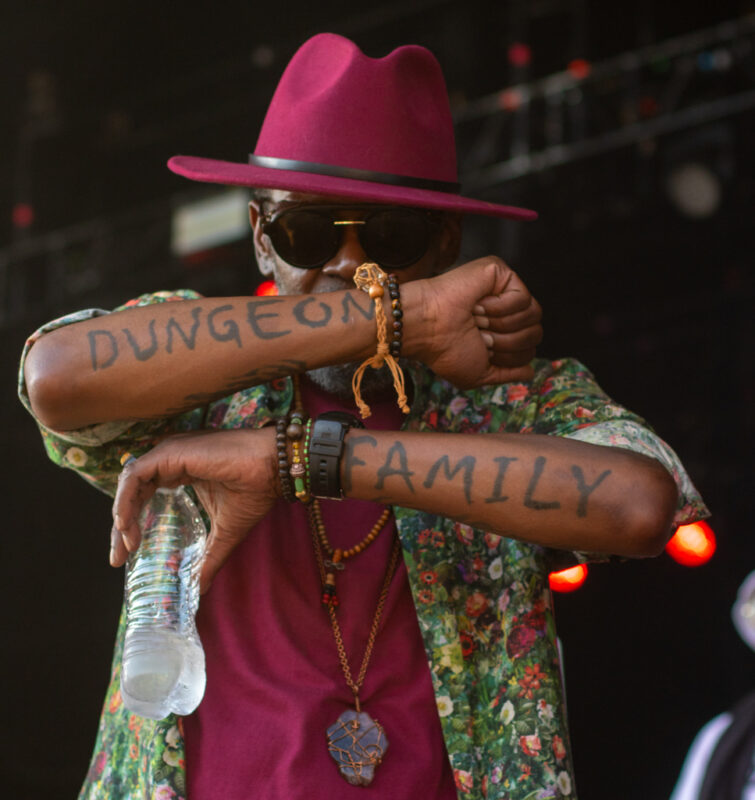
Big Boi’s Southern lettering is one of the clearest links between his tattoos and the place he came from. The phrase “Dirty South” gives the collection a regional stamp, but it isn’t just a slogan floating on its own. It sits inside the wider story of Atlanta music, OutKast and the Dungeon Family circle that shaped his career.
The lettering works because it is direct. There’s no need to guess what the words mean or turn them into something overly mysterious. “Dirty South” is a plain statement of identity. It points to the culture and sound Big Boi helped bring to a much wider audience while still keeping the phrase tied to its Southern home.
He has also shown open handcuffs among the designs. The handcuffs bring a harder edge than the heart banner or the family lettering. They look like a symbol of release, but it’s better to stay close to what can actually be seen rather than invent a private story for them. The photograph shows the hardware clearly; the broader meaning can stay open.
The Dungeon Family tattoo carries a more specific musical connection. Dungeon Family was the creative collective around OutKast and several other Atlanta artists, so the mark works as a reminder of the people and working environment behind the records. It isn’t the same kind of statement as “Dirty South.” One is about a region and culture, while the other is about a particular group of musicians and collaborators.
That difference is worth keeping. Big Boi’s tattoo collection doesn’t need one theme forced over every piece. The Southern words can stand for home, the Dungeon Family ink can stand for the musical family around him, and the open handcuffs can remain a strong visual symbol without an overconfident explanation.
These designs also show why a tattoo photograph needs to be more than a tiny thumbnail. Lettering gets lost when an image is compressed, and a small mark beside it can disappear completely. A good close view lets readers see the lines, spacing and placement without having to rely on a vague description.
In that sense, the music-related tattoos sit between the personal and the public. Big Boi is showing where he comes from and who he worked with, but he is also carrying pieces of his own history on his skin. The result feels lived-in rather than carefully branded.
Carlito gives the collection its most personal portrait
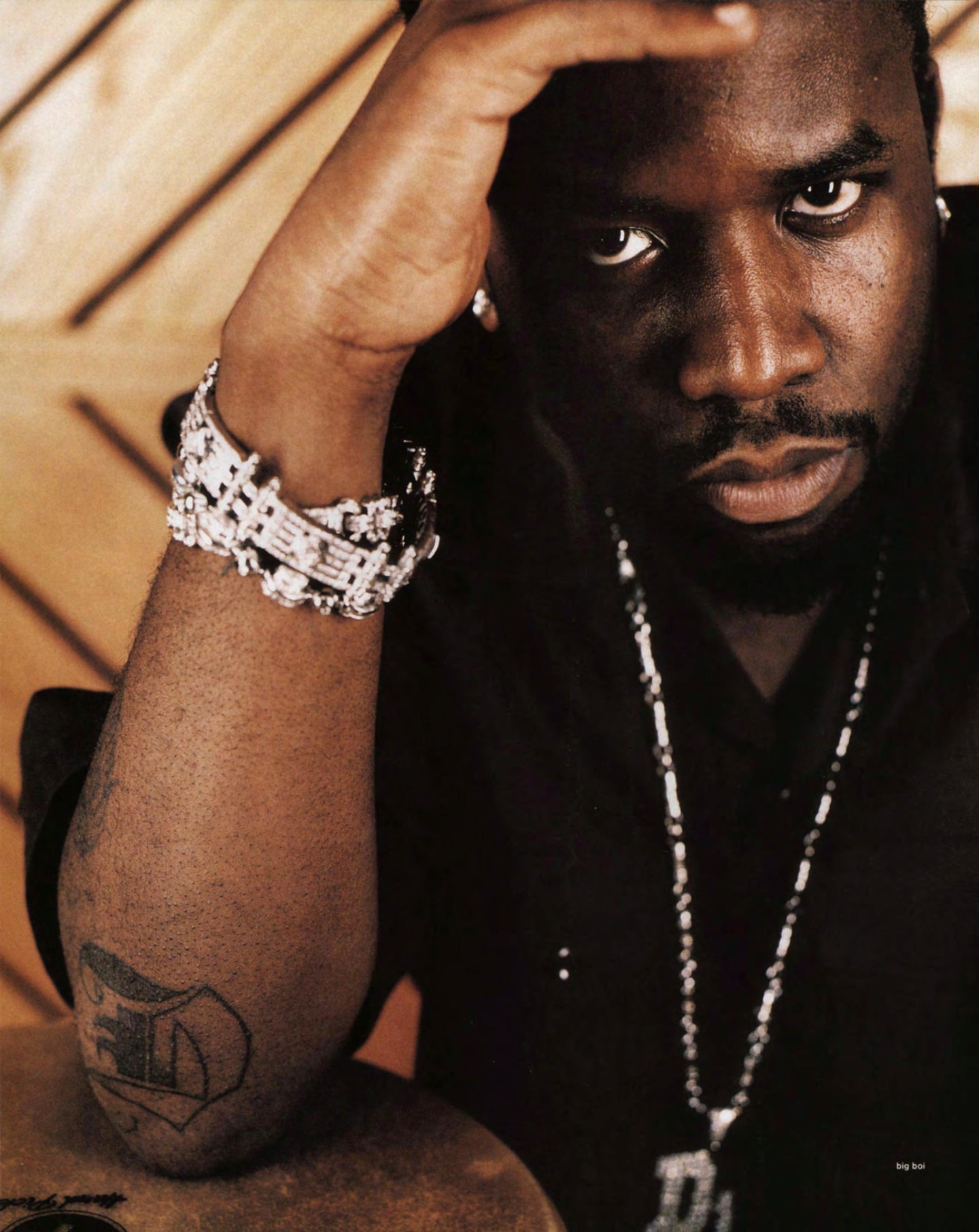
The portrait of Carlito, Big Boi’s first pit bull, brings a much more personal memory into the collection. This isn’t simply an animal chosen because it looked cool in a flash book. The dog had a place in his life, and putting Carlito on his body gives the tattoo a memorial feeling that the larger music-related pieces don’t have.
Animal portraits can be tricky to describe from a distance. A dark stage photograph might show the outline but lose the face, while a close-up can reveal the expression and the detail in the shading. That’s why a separate tattoo image matters here. The portrait needs to be seen as its own piece, not treated as a tiny detail inside a generic photograph of Big Boi.
The Carlito tattoo also gives the collection a quieter side. “Dirty South” and the Dungeon Family mark speak loudly about public identity. The dog portrait is different. It points to a relationship that existed away from the stage and away from the music business. That contrast makes the overall group feel more human.
There are other symbols around Big Boi’s body that are easier to spot in close photographs, including the handcuffs and smaller marks around the arms. They shouldn’t all be bundled into the portrait or given a meaning he never stated. The portrait is Carlito’s tattoo, and its strongest supported story is the connection to his first pit bull.
Different photographs can make the piece look slightly different too. Light changes the colour and contrast, and an angle can make the portrait appear flatter or darker than it really is. That doesn’t mean the tattoo has changed. It usually means the camera is showing one part of a curved body from a different position.
That practical point is easy to miss when people try to make a quick tattoo count from red-carpet photos. A jacket, chain or shirt can hide the lower edge of a design, while a close-up from a tattoo tour may show much more. The best approach is to use the clearest view available and avoid pretending that one photograph proves the whole collection.
Carlito’s portrait sits nicely beside the family names and faith lettering because all three groups say something personal, but they do it in different ways. The dog is a memory, the names are family, and the scripture is a statement of belief and protection. Keeping them separate gives each tattoo room to make sense.
Family names bring the focus back home
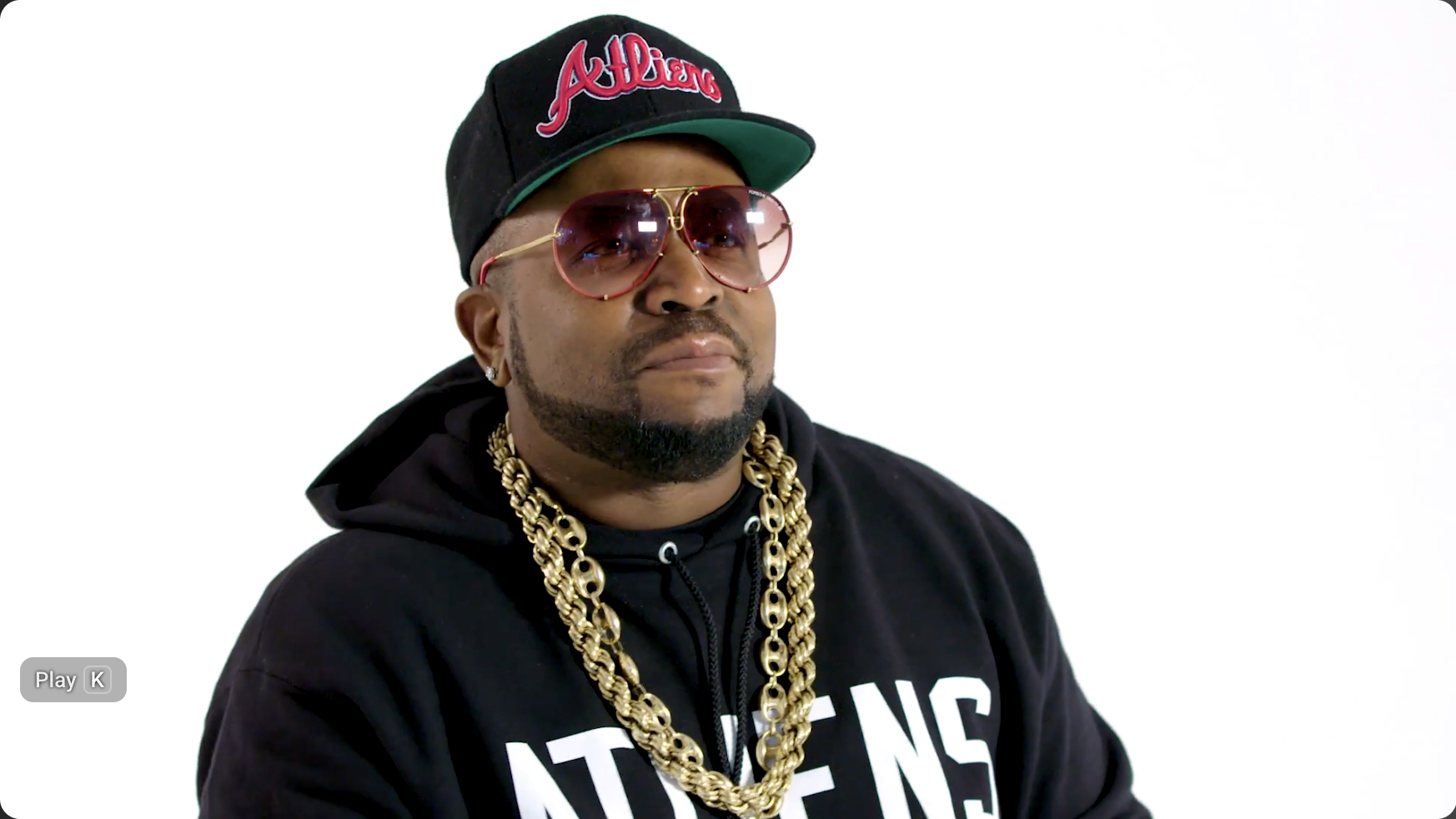
Big Boi’s children’s names add another layer to the neck and chest work. Name tattoos don’t need a complicated explanation, but they do need a clear photograph. The exact lettering, direction and placement matter, especially when a shirt collar or chain covers part of the area.
The family lettering feels different from the Dungeon Family mark even though both are connected to people. One points to a creative circle and a shared musical history. The other points to the people closest to him at home. That distinction keeps the article from flattening every name into the same broad idea of “family.”
Photos from different years can also make the neck work look inconsistent. Big Boi may be wearing a different collar, standing at a different angle or showing only one side of the lettering. A later picture might reveal more of the design than an earlier one. That doesn’t automatically mean a new tattoo was added; sometimes the view is simply better.
He has also been photographed with cherub or angel imagery among the larger collection. Those pieces add a softer visual note beside the stronger lettering and darker symbols. They can be described as part of the visible tattoo group, but the article shouldn’t attach a very specific private meaning unless Big Boi has explained it himself.
The family work is strongest when it stays simple. The names bring the focus away from the stage and back toward the people Big Boi wanted to carry with him. The placement makes them visible enough to be noticed, but clothing can still hide parts of the design, which is why more than one photograph helps.
There is also a useful timeline here. The heart banner and lion belong to the early part of his tattoo history. The Southern and Dungeon Family pieces connect to his rise in music. The children’s names show the collection continuing as his life changed. They don’t have to be arranged into one perfect chronology for the overall story to come through.
A good tattoo guide should also admit what it cannot read. If a small letter is hidden by fabric or blurred by a low-resolution image, it is better to describe the visible placement than to guess at the missing word. That keeps the family section accurate without making it sound thin.
Isaiah 54:17 is the clearest protective statement
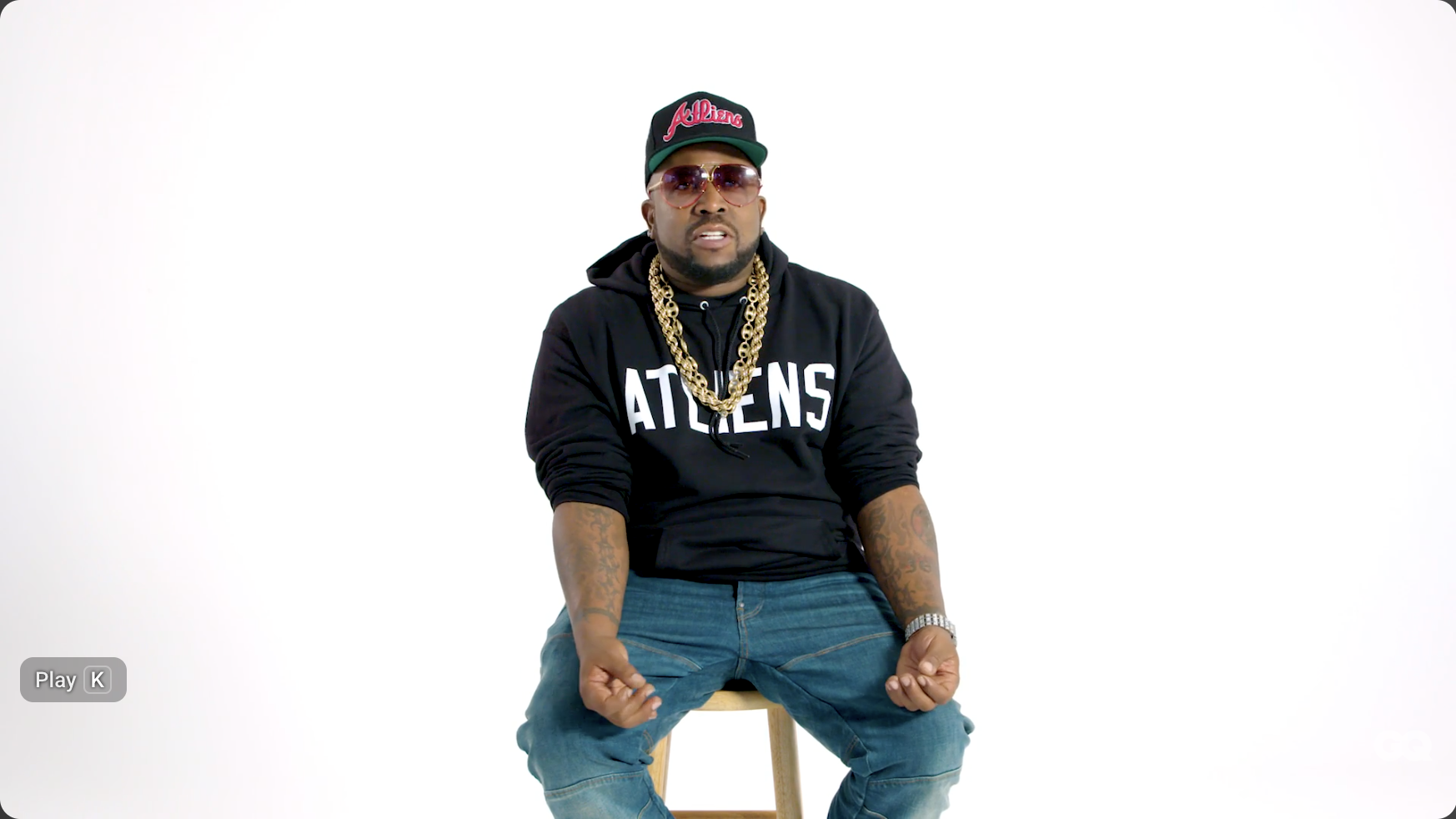
The Isaiah 54:17 tattoo is one of the easiest pieces to explain because Big Boi has given both the reference and the reason behind it. The verse is tied to the line “no weapon formed against me shall prosper”, and he has described the tattoo as a form of protection.
That makes this tattoo different from a design where readers can only talk about the shape. The wording carries the meaning. The placement and lettering still matter, but the phrase itself is the centre of the piece. It is a religious statement that sits alongside the more personal heart banner, the music-related marks and the family names.
The scripture also helps show how Big Boi’s tattoos changed over time. The first tattoo was built around a nickname. Later ink connected to Southern identity, his musical circle, his children and his faith. Isaiah 54:17 feels like a tattoo about protection, not performance, even though it is still part of a very visible collection.
Big Boi has spoken about facial tattoos too, including the way they can affect his look and his work. It is tempting to name every tiny mark in a distant portrait, but that usually creates more confidence than the photograph deserves. The safer record is the set of designs that can be clearly seen and discussed: the heart banner, lion, “Dirty South,” handcuffs, Dungeon Family mark, Carlito portrait, children’s names, cherubs and the Isaiah verse.
Seen together, the tattoos tell a pretty straightforward story. There’s a young man’s first name, a Southern identity, a music family, a dog he cared about, the names of his children and a line of scripture he sees as protection. None of that needs a grand theory. The details already do the work.
The collection also shows why the images need to be spaced through the article. One photograph can show the general look of Big Boi’s ink, but it cannot make the banner lettering readable, show a dog portrait properly, prove the position of family names and reveal the full Bible verse at the same time. Each section needs its own visual evidence.
That’s the useful way to read Big Boi’s tattoos. Start with what the photograph shows, add the meaning he has actually explained, and leave the uncertain little marks alone until a clearer image or direct comment supports them. The result is a fuller account without turning the collection into a made-up legend.