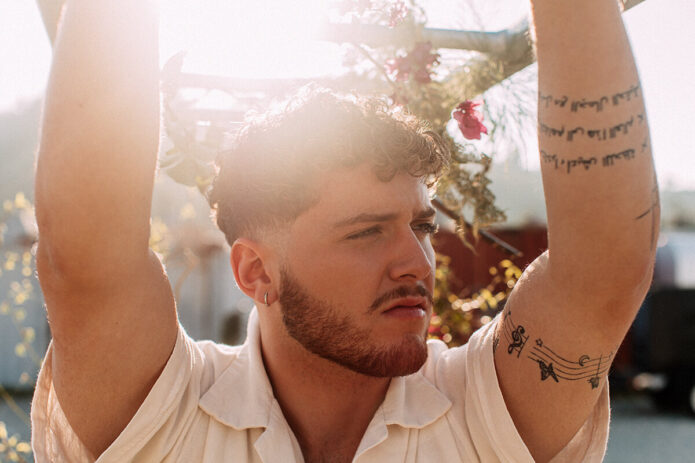
Bazzi’s tattoos are still a work in progress, and that’s kind of the point. When he talked through them for GQ, he was clear that he planned to keep adding more, but he didn’t want to rush into the same designs everyone else had. He waited until the ideas felt specific to him.
What he has now is a neat mix of Arabic writing from his family, space imagery, music, symmetry and a few pieces he openly admits were chosen because they looked cool. That honesty is refreshing. Not every tattoo needs a huge life story, and Bazzi’s collection makes room for both personal meaning and good-looking ink.
Here’s what he has explained so far, from the first lines his dad wrote for him to the long arm piece that took well over half a day.
Three Arabic affirmations came from Bazzi’s dad
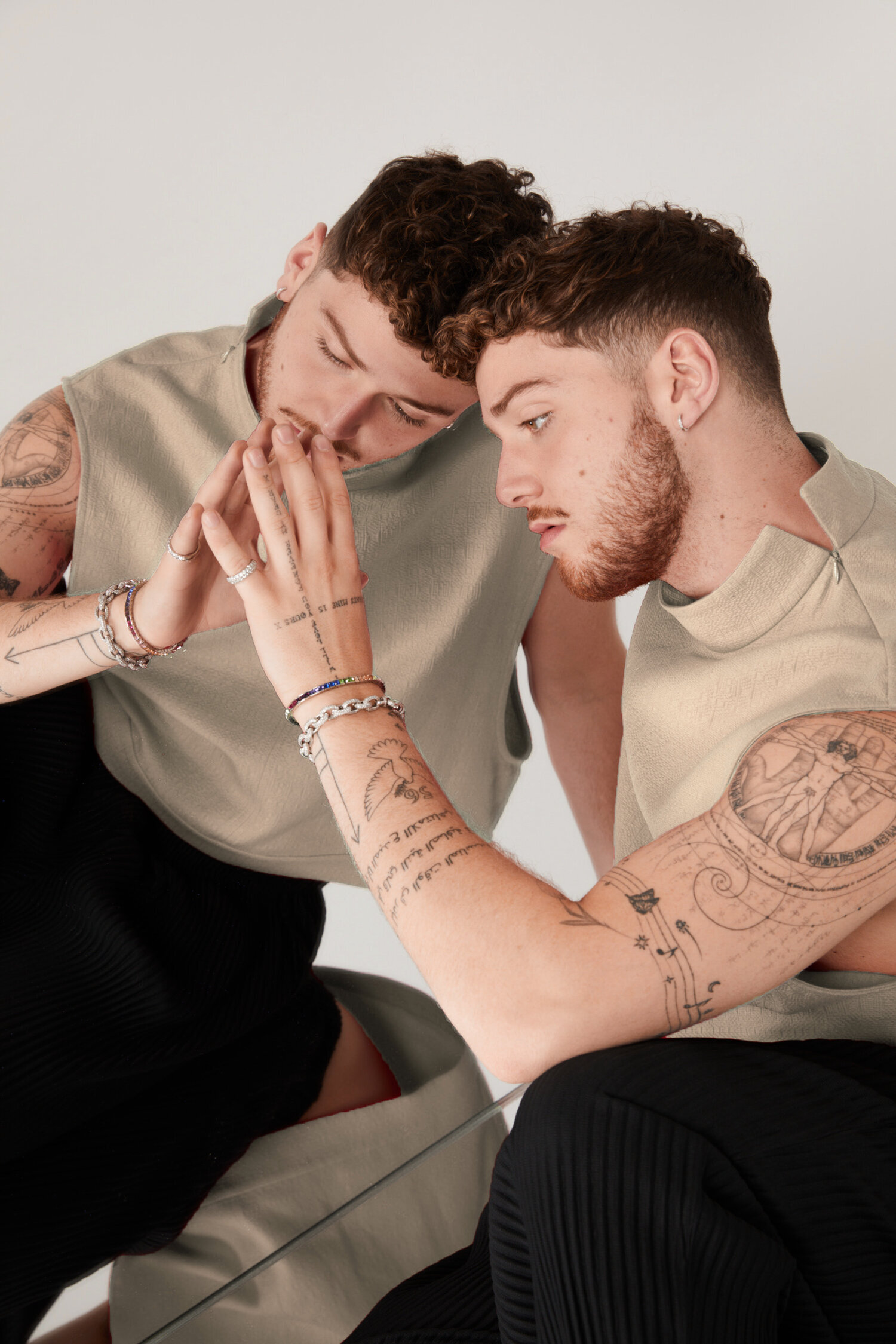
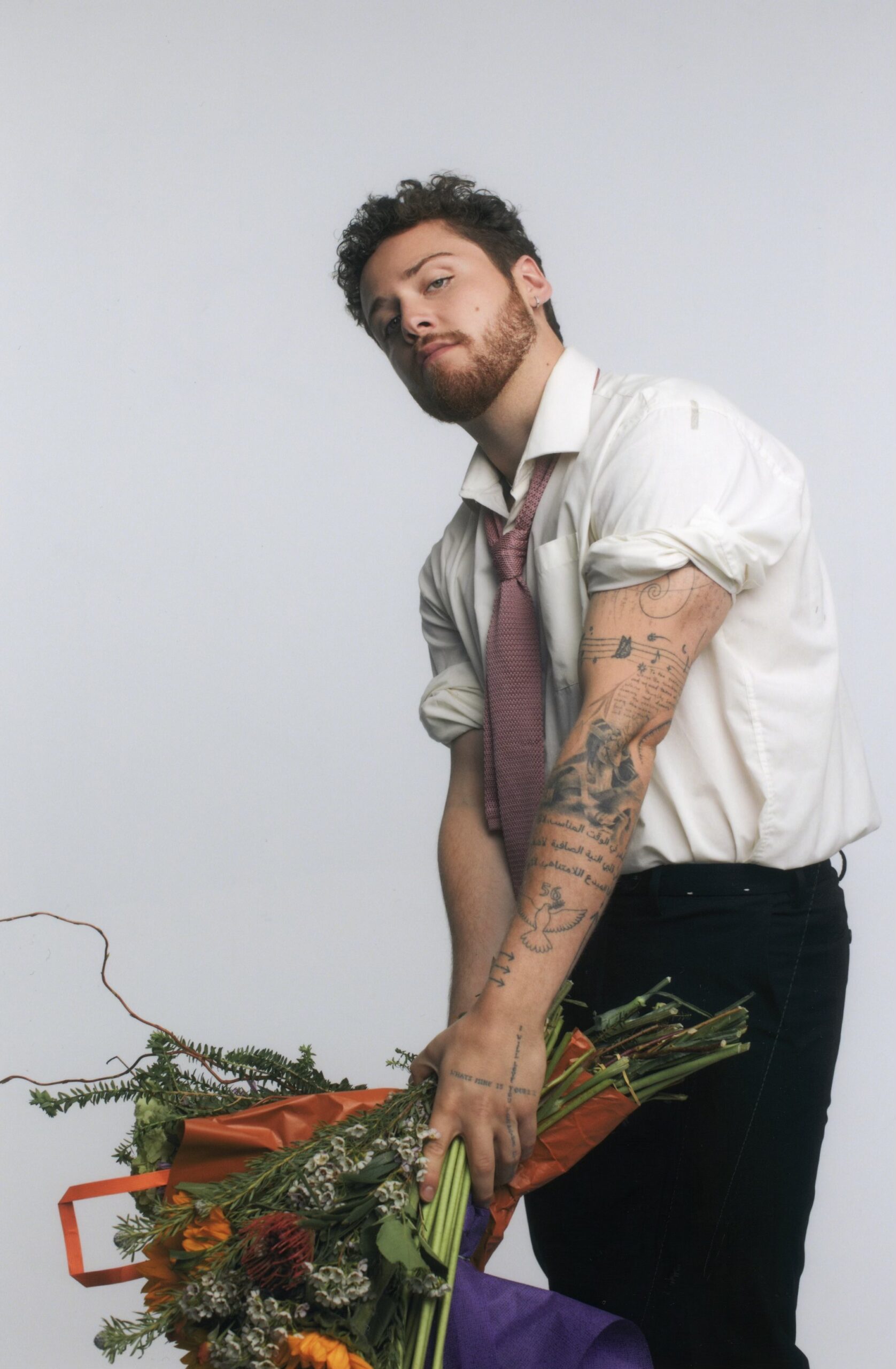
Bazzi’s first tattoos are three short life affirmations written in Arabic. His dad wrote them out for him, which makes the lettering feel much more personal than simply choosing a translation from a book or a design online. Bazzi is Lebanese, and the script gives the piece a direct connection to his family background.
The three lines say that he is a child of the universe and infinitely creative, that he will live to bring understanding and beauty to the world, and that he won’t live in the past or future but will stay present. They’re big ideas, but the writing itself is clean and simple, which fits the way Bazzi talks about his taste.
His dad didn’t want him to get tattoos, so Bazzi used the first one as a bit of a bargain. If his father was willing to write the words, then maybe the tattoo would be easier to accept. Bazzi joked that after that, it was basically a lost cause. The story gives the Arabic ink a nice family layer: it isn’t only about what the words mean, but who physically put them on the page first.
These lines also explain why balance keeps coming up whenever Bazzi talks about his body art. He likes simple shapes, even spacing and designs that can sit comfortably beside each other. The writing is meaningful, but it isn’t loud or overworked.
His NASA mission patch is a proper space fan tattoo
The next major piece is a NASA mission patch. Bazzi has described himself as a massive space fan, so this one is pretty easy to understand. While he was on tour, he visited NASA and got to stand on the floor in mission control. He compared the experience to being a kid in a candy store.
NASA apparently even told people in space that Bazzi had turned the patch into a tattoo. He said they were excited about it, and he connected the story with his first album, Cosmic. The tattoo therefore works on a couple of levels: it’s a souvenir from a memorable visit, and it ties into the space theme he was already exploring through his music.
It also feels different from the Arabic affirmations. Those lines are about how he wants to live. The mission patch is about a place, an obsession and an experience that made a big impression on him. The collection works better because the pieces don’t all try to say the same thing.
There are also smaller arrows and marks that Bazzi has admitted don’t have a deep explanation. He liked how they looked. That’s not a problem. In fact, it makes the article more honest. Sometimes a tattoo is a reminder of your family or your beliefs, and sometimes you just see a clean design and think, yeah, that looks good.
The Vitruvian Man took more than twelve hours
Bazzi’s biggest arm tattoo is based on Leonardo da Vinci’s Vitruvian Man. He didn’t come up with the full idea himself. He met an artist named Bulloss, trusted his eye and let him put the design together. When Bulloss showed him the finished concept, Bazzi immediately wanted it.
The tattoo keeps the famous figure inside the circle and square, but the artist added extra details. Bazzi points out a palm with Mercury, Apollo and Jupiter, plus other elements that sit around the main drawing. He liked that da Vinci was centuries ahead of his time, which fits Bazzi’s interest in ideas that keep moving beyond one period or style.
The work took roughly 12 to 14 hours. Instead of treating that as a warning, Bazzi got excited and asked the artist to do another piece on the same day. That tells you quite a bit about how quickly his tattoo plans started growing. He had waited for the right ideas, but once he found the right artist, he was ready to keep going.
The Vitruvian Man also suits his love of symmetry. Bazzi has said that he wants his tattoos to feel balanced and to move alongside each other at the right pace, almost like parts of a song. The design has a natural structure already, so it gives the arm a strong centre without needing a huge block of heavy shading.
There’s a similar interest in tattoos as a record of creative life in Trevor Jackson’s tattoo collection, although the two artists use very different images. Jackson leans into characters, portraits and family symbols, while Bazzi keeps circling back to proportion, space and movement.
Music, butterflies and stars sit on his arm
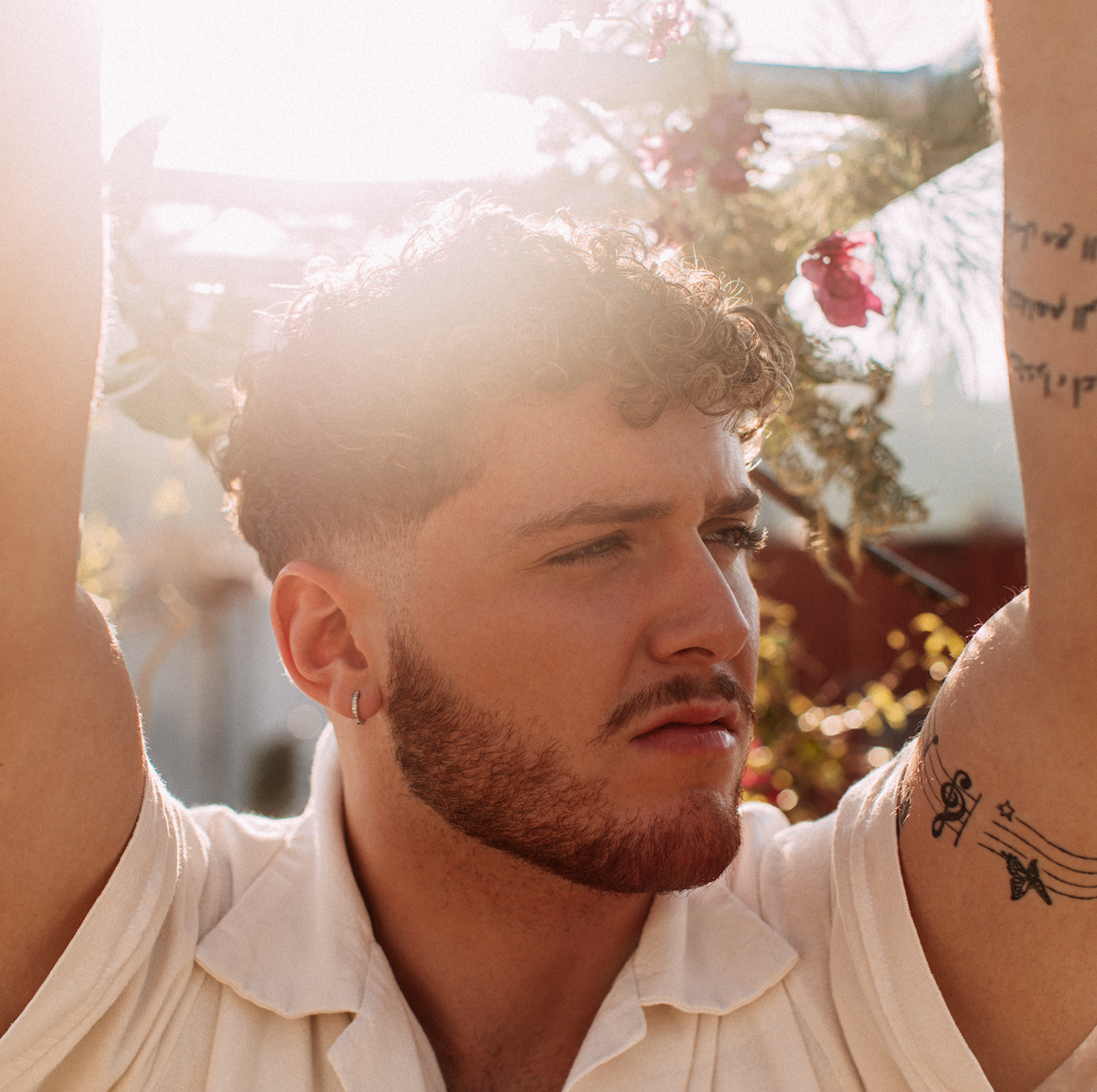
One of Bazzi’s most recognisable tattoos is a flowing music design with butterflies and stars instead of ordinary notes. He got it while he was in Bali doing charity work, and he knew of an artist there whose style felt right for the idea.
He doesn’t see music as something that has to be perfectly technical. For Bazzi, it’s a way to create and put feeling somewhere. That’s why the notes are replaced with lighter, more imaginative images. The wavy lines keep the piece moving, while the butterflies and stars make it feel less like sheet music and more like a visual version of a melody.
He explained that he might not be able to read every note or draw the most realistic face, but he can still put passion and intensity into what he makes. That idea comes through in the tattoo. It isn’t trying to look like a textbook diagram. It’s meant to feel free and a little dreamy.
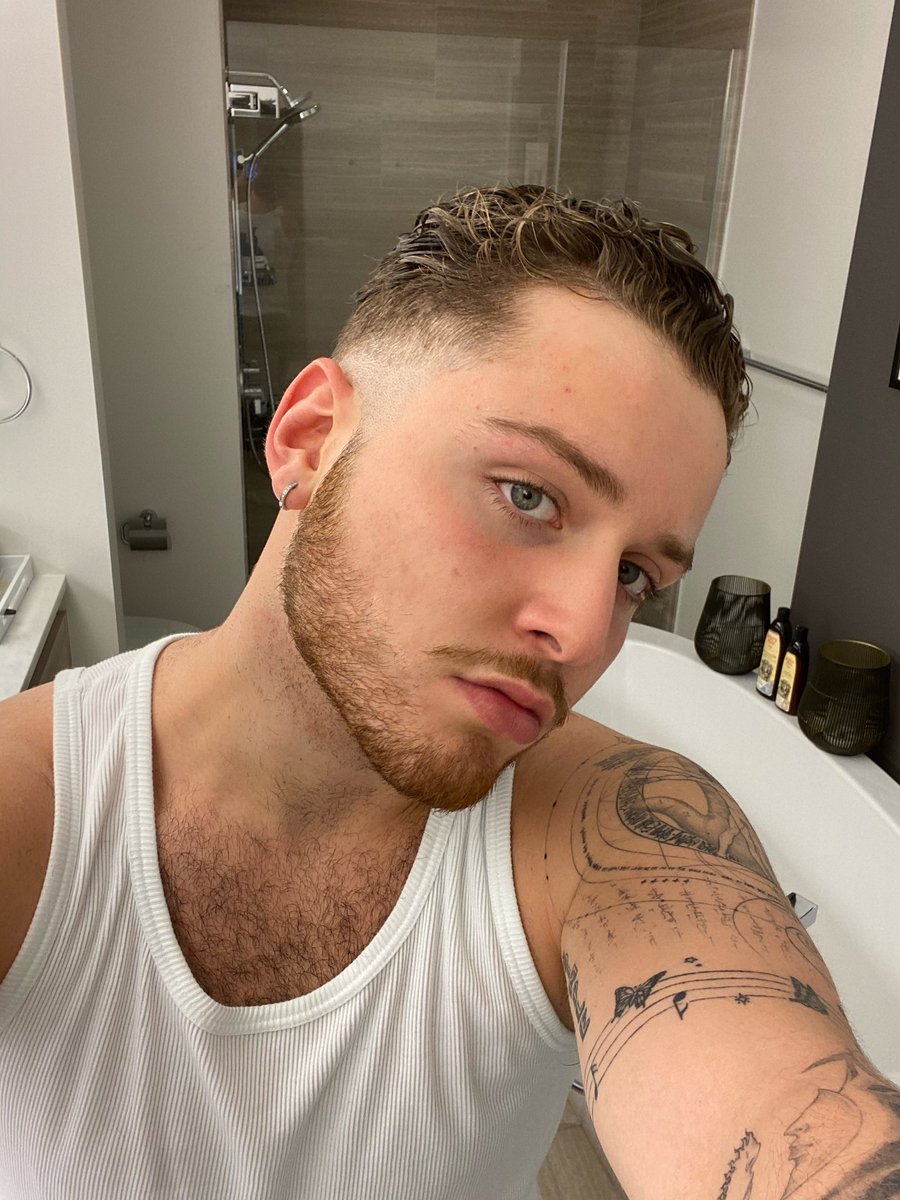
His arm also carries smaller musical marks and script details, which are easier to see in close-up photographs than in a full red-carpet picture. That’s why the different images matter here. One wider portrait shows how the tattoos sit on his body, while a closer arm shot lets readers actually see the writing, lines and symbols.
The sun, moon and yin-yang design is about balance
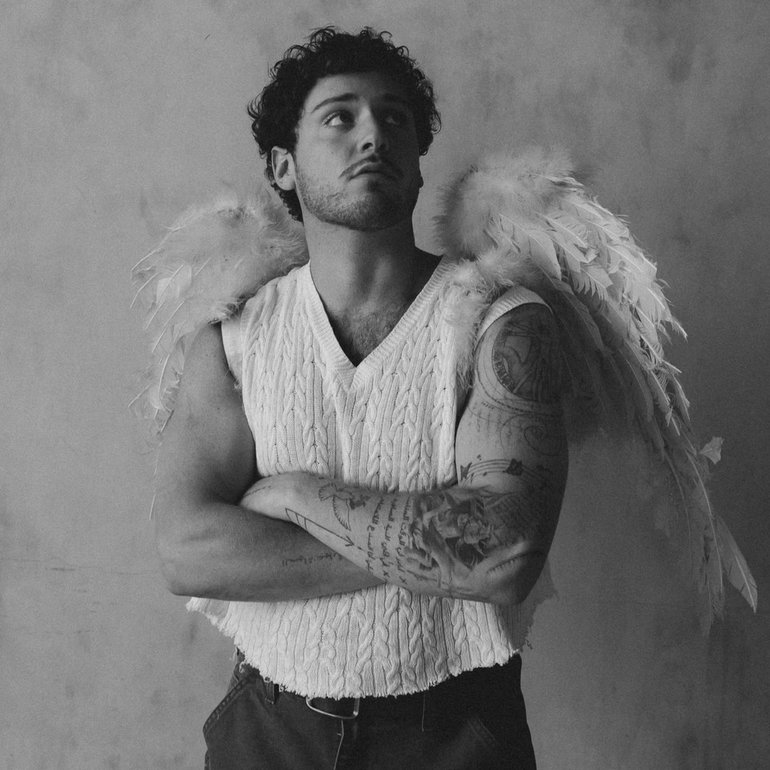
Bazzi has also shown a design built around the sun, moon and yin-yang. He describes the sun and moon as coming from two different worlds and meeting in the middle. The image is basically a visual map of his idea that life needs both sides: light and darkness, happiness and sadness, the grounded part of him and the creative part.
The three Arabic affirmations are part of that same foundation. They represent the roots of who he is and how he tries to live, while the moon points toward music, magic and imagination. The yin-yang brings the two together. It’s a fairly simple concept, but the arrangement lets him build several ideas into one connected tattoo.
This is where the collection’s symmetry really makes sense. Bazzi isn’t just collecting unrelated designs and hoping they somehow match. He likes the way one side can answer another. Even the smaller pieces are chosen with an eye on how they move around the arm.
At the time of his GQ tattoo tour, he was still talking about getting much more ink, including possibly moving toward his neck. He wasn’t ready to commit to a face tattoo, though. Those future plans shouldn’t be treated as finished work, but they do show where his head was at: the arm was only the beginning.
Some of Bazzi’s tattoos are deeply tied to family or personal beliefs. Others are visual reminders of NASA, music or the kind of balance he wants in his life. Then there are the arrows he simply liked. That mix is what keeps the collection from feeling stiff. It’s thoughtful without pretending every small mark has a grand explanation.
The overall shape of the collection is pretty clear. Bazzi likes tattoos that can sit beside one another without turning his arms into visual noise. The Arabic lines give him a family and values base, the NASA patch brings in curiosity, and the Vitruvian Man gives the arm a bigger art-and-science centre. The music design then loosens everything up with movement and colour in the imagination. Even the pieces he calls meaningless still fit his taste for clean, simple marks. That balance is why the tattoos feel connected without all looking like copies of the same idea.
Watch Bazzi talk through the ideas, artists and stories behind his tattoos: