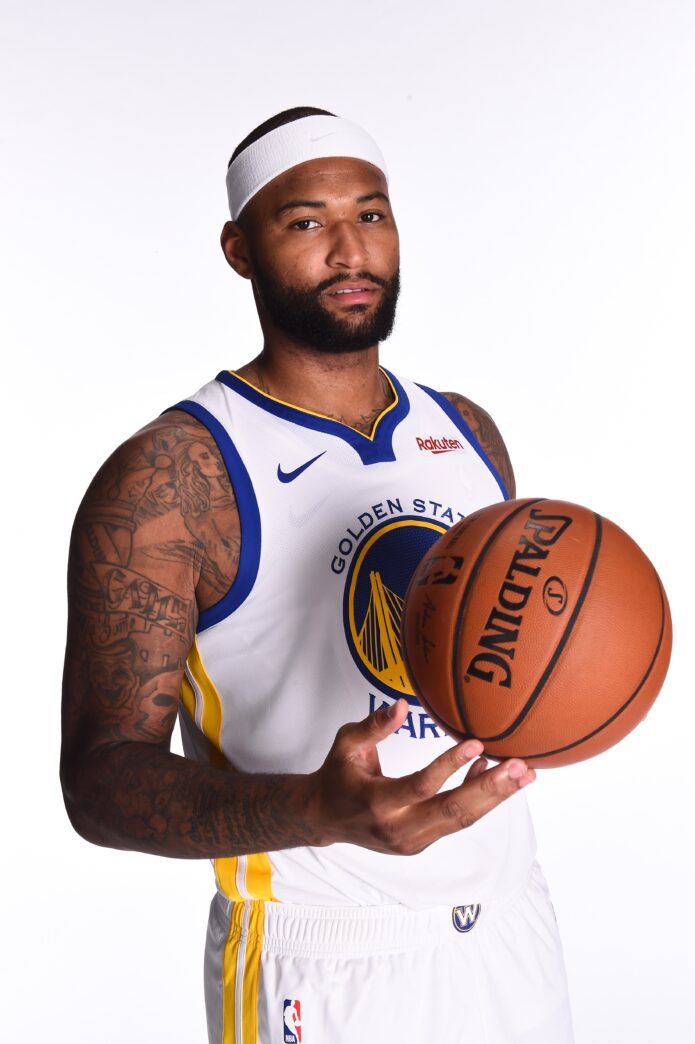
DeMarcus Cousins’ tattoos are unusually well explained because he discusses the people and experiences behind several pieces in GQ’s Tattoo Tour. The collection includes a tribute to Danny Pritchett, a portrait of his mother, angels carrying his children’s names and graffiti lettering that reads Product of My Environment. These designs are connected by family, friendship, basketball and place, but each has its own history. The useful way to read the collection is to follow Cousins’ own explanations instead of assigning one meaning to every mark.
Family and basketball tributes anchor DeMarcus Cousins’ tattoos
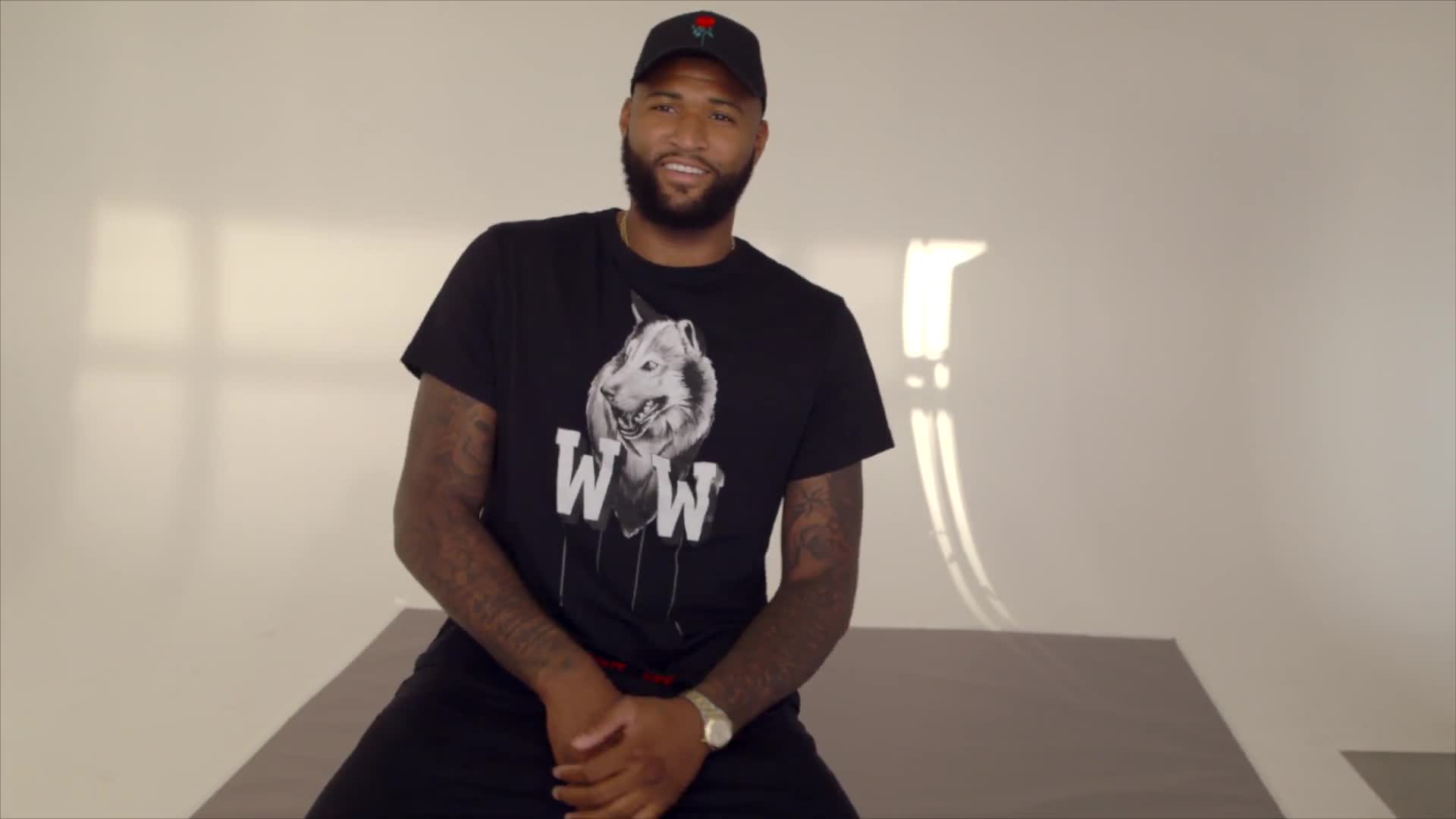
The strongest entries in Cousins’ tattoo inventory are the tributes he names directly. He describes Danny Pritchett as a person he considered an older brother and explains that Pritchett died while playing basketball. That account gives the tribute a precise emotional and sporting context. It is not a design identified only from a photograph; Cousins tells viewers who it represents and why it matters.
The mother portrait has a separate story. Cousins calls his mother one of his biggest inspirations and connects the image with the work she did for her children. He also identifies a mama’s boy tattoo, making the family theme explicit without needing a speculative reading of the portrait itself.
The Danny Pritchett tribute
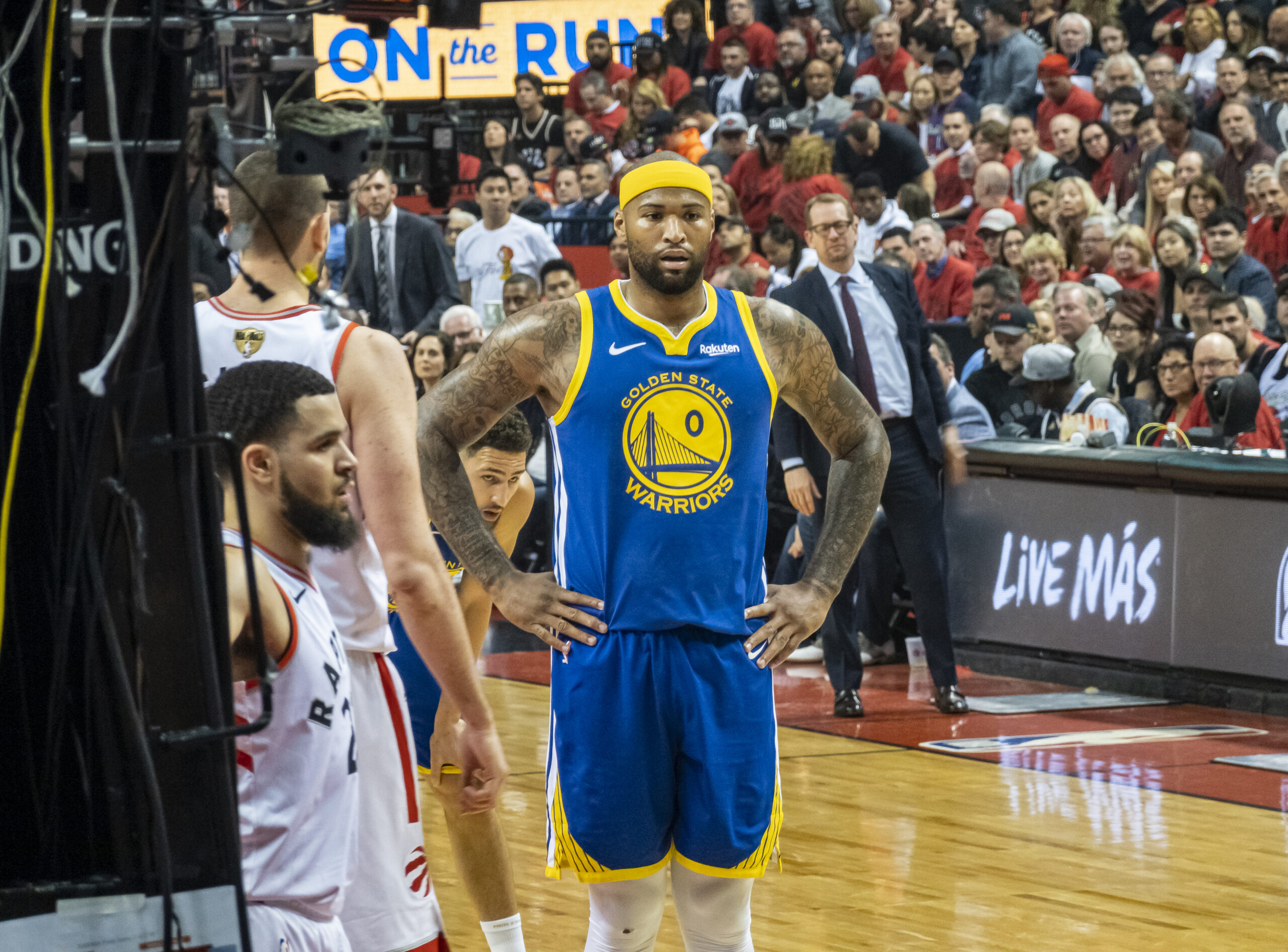
Cousins says Danny Pritchett was like a big brother and that he passed out on a basketball court. The tribute records both a personal relationship and the sport that connected them. A photograph can show the portrait or placement, but the direct explanation supplies the facts that make the tattoo meaningful.
The wording should remain close to the source. The public account does not establish every detail of Pritchett’s life or the exact date of the tattoo, so those details should not be filled in from assumption. The reliable entry is a portrait or tribute representing Pritchett, explained by Cousins as a memorial to someone important in his life.
The portrait of his mother
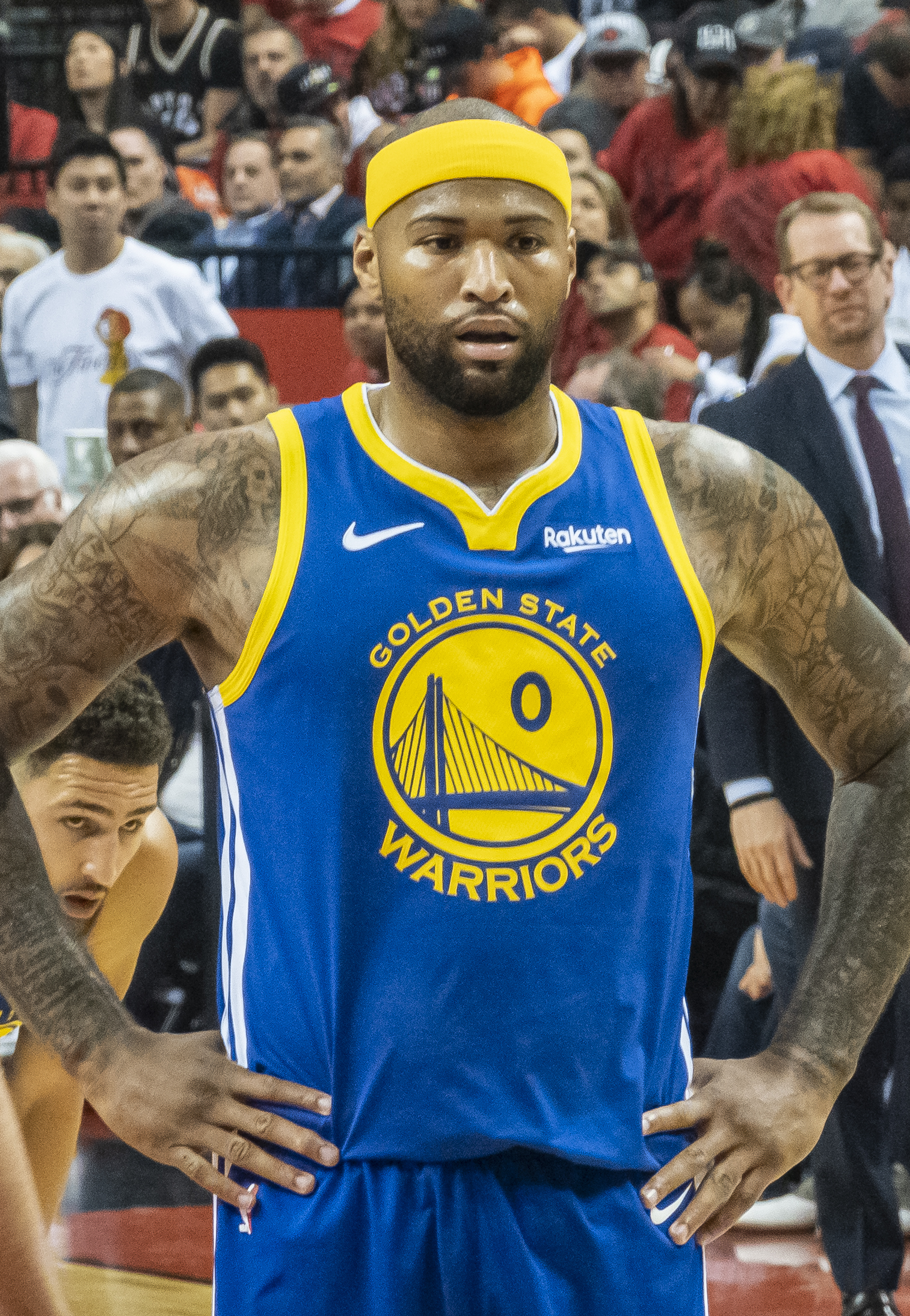
Cousins describes his mother’s portrait as a tribute to her hard work and the life she built for the family. That is a clear personal explanation, stronger than the generic claim that a portrait represents love or respect. The article can preserve his words in a concise way and let the image remain a family record rather than turning it into a broad symbol.
The portrait and mama’s boy lettering belong in related sections because they share a subject, but they remain distinct tattoos. One is an image of his mother. The other is a phrase Cousins uses to describe himself. Separating them gives readers a more accurate visual and factual inventory.
Angels with his children’s names
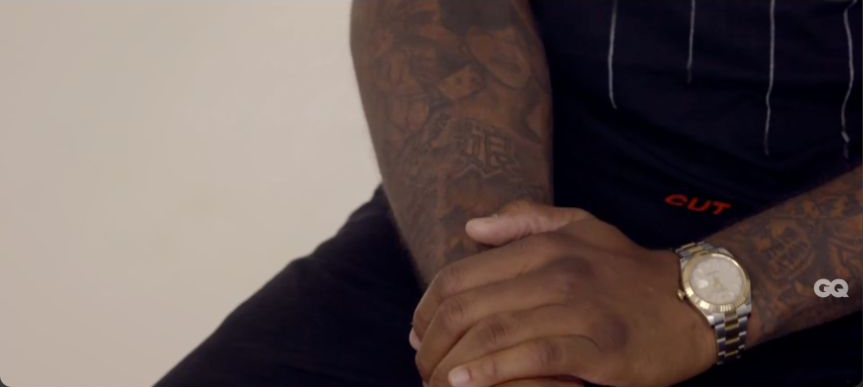
Another tattoo shows two angels with the names Amir and Havannah. Cousins identifies the names as belonging to his children and describes the design as another representation of how much he loves them. The source therefore establishes the people, the angel imagery and the family connection.
Readers should not be asked to infer a separate religious meaning from the angel figures unless Cousins provides one. In this context, the tattoo is best recorded as a tribute to his children with two angels and their names. The direct explanation is enough to make the piece significant without adding unsupported theology.
Product of My Environment
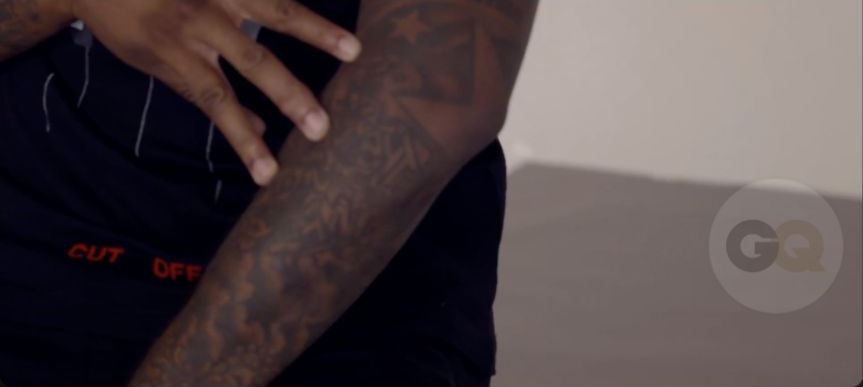
Cousins describes graffiti lettering that reads Product of My Environment. He says it helps him remember where he came from, the struggle he experienced and the things that helped him reach his current position. This is one of the clearest statements of meaning in the collection because he directly explains the phrase’s role in his life.
The wording also connects the tattoo with his basketball career without reducing it to a sports slogan. It is about origin and memory. The graffiti style is part of the visual identity, while the statement about remembering his environment supplies the personal context. Those two details should be recorded together.
How the collection should be dated
Cousins’ tattoos belong to different periods of his life, so photographs from one basketball season cannot be treated as a complete current inventory. Clothing, posture and camera angle may hide the portraits, lettering or names. Later work can also change how the original designs sit beside one another.
A dated comparison is especially important for body tattoos that appear only when a jersey or shirt is removed. If a portrait is absent from a game photograph, that does not show removal. It usually shows that the photograph was made for a different purpose. Direct explanations and clear close images should lead the timeline.
What the GQ tour confirms
The public record confirms four strong anchors: the Danny Pritchett tribute, the portrait of Cousins’ mother, the angels with Amir and Havannah and the Product of My Environment graffiti lettering. It also confirms the existence of a broader collection. The meanings of those central pieces come from Cousins himself, while minor details outside them require more cautious language.
This is enough for a detailed tattoo guide because the collection has specific people, names, locations and explanations. There is no need to turn every visible line into a named tattoo. A responsible inventory can show the major designs, explain their documented context and leave uncertain marks unlabelled until a clearer source appears.
The wider sleeve includes other reported pieces. A later inventory identifies a dream catcher on the inside of Cousins’s left bicep, a spider and cobweb that cover an earlier basketball-and-crying-baby tattoo, and the word MISUNDERSTOOD on his right calf. It also lists WIN SOME LOSE SOME on the inner bicep, a crown and KING OF THE GAME lettering, and a DANNY tribute near the wrist. These entries are useful additions to the catalogue, but their meanings should not be presented with the same certainty as the four pieces Cousins explains on camera.
The distinction is important with a collection this large. A secondary photograph can establish that a phrase or figure is visible, while only Cousins can establish why he chose it. The spider cover-up, for example, is reported as a replacement for an older design, but it should not be folded into the Danny tribute or the children’s angels simply because all three appear on the arms. Each piece has its own place in the visual record.
DeMarcus Cousins’ tattoos therefore form a record of family, friendship, sport and origin. The Danny Pritchett tribute preserves a bond formed through basketball. The mother portrait and mama’s boy phrase honour the person who raised him. The angel names remember his children, while Product of My Environment keeps his background in view. Those are the stories his own tattoo tour supports with confidence.
The visual relationship between these pieces also matters. A portrait, a pair of names and a graffiti phrase ask the reader to look at different kinds of evidence. Portraits depend on facial detail, lettering depends on readable edges and a large phrase depends on seeing enough of the body to understand its scale. The GQ tour brings those forms together in one conversation, which is why it is a stronger starting point than isolated social-media images. It gives the names and stories first, then lets the photographs show how the tattoos sit on Cousins body.
Future coverage should preserve that standard. A new close photograph may clarify an older design or show additions around the family tributes, but it should be compared with the original explanation rather than replacing it. The collection is personal, and the most reliable account is the one that keeps each tribute tied to the person or experience Cousins actually identified.
One thought on “DeMarcus Cousins tattoos: family portraits, tributes and home”